
Choosing the Right Birth Control Methods: A Personalized Approach - Samad Hospital

Finding the perfect birth control method can be a daunting journey. With so many options available, it’s essential to consider your personal health, lifestyle, and family planning goals. This comprehensive guide will help you navigate the world of contraception and make an informed choice that suits your unique needs. Choosing the right birth control methods isn’t a one-size-fits-all decision. It’s deeply personal, influenced by factors like health history, age, lifestyle, and family planning goals. With a wide variety of options, from pills and patches to IUDs and implants, making the right choice can seem overwhelming. But don’t worry—you’re not alone in this journey. The right guidance can make all the difference.
Why Choosing the Right Birth Control Method Matters
Selecting a contraceptive method is more than just preventing pregnancy. It’s about aligning with your body’s needs and your life’s demands. The wrong choice can lead to side effects, discomfort, or even health risks. That’s why it’s crucial to choose a method that supports your physical health, mental well-being, and lifestyle seamlessly.
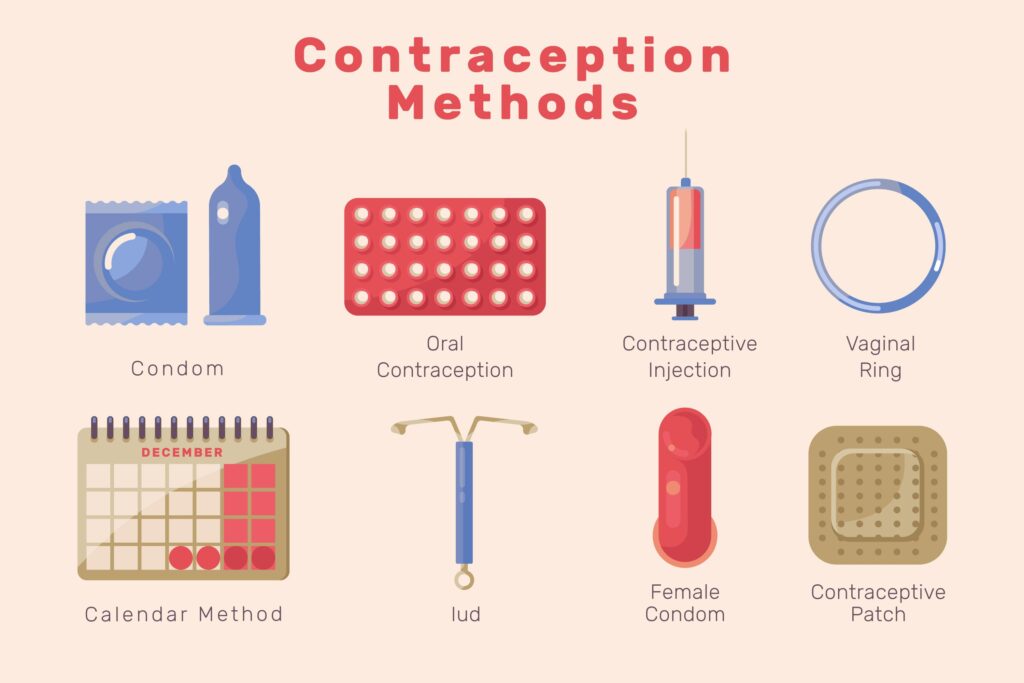
Understanding the Types of Birth Control Methods
Birth control methods fall broadly into two categories:
Hormonal Methods: These alter your hormonal balance to prevent ovulation, thicken cervical mucus, or thin the uterine lining. Examples include pills, hormonal IUDs, and implants.
Non-Hormonal Methods: These focus on creating a physical or behavioral barrier to pregnancy. Options include copper IUDs, condoms, and fertility awareness techniques.
Factors to Consider When Choosing Birth Control Methods
Before deciding on a contraceptive method, consider these factors:
1. Health Conditions: Do you have underlying conditions like high blood pressure, migraines, or PCOS?
2. Age and Lifestyle: Are you looking for a method that supports an active lifestyle or flexibility?
3. Future Family Planning: Are you considering pregnancy in the near future, or do you want long-term protection?
Click here to read more about Safe Medical Abortion
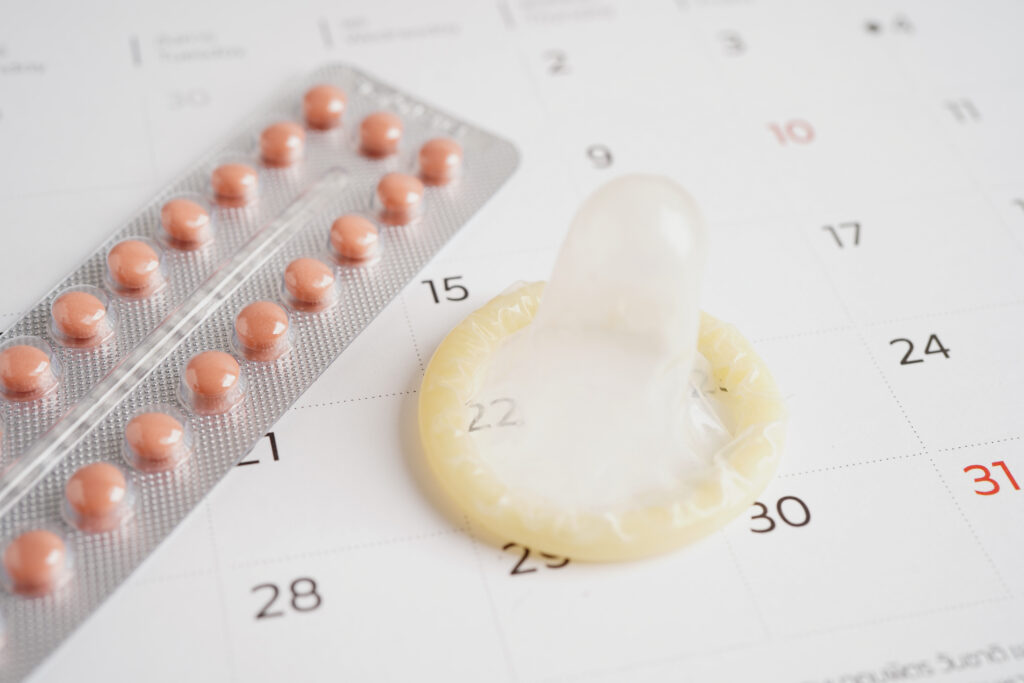
Hormonal Birth Control Options
Hormonal methods are among the most popular options due to their reliability. Some of the most common choices include:
• Birth Control Pills: Available in combination and progestin-only forms, they are easy to use and reversible.
• Hormonal IUDs: These devices, such as Mirena, release hormones over several years, providing long-term protection.
• Injections and Implants: Options like Depo-Provera or Nexplanon offer long-term solutions without daily maintenance.
Non-Hormonal Birth Control Options
If you prefer to avoid hormones, there are effective alternatives:
• Copper IUD: A hormone-free device that provides up to 10 years of protection.
• Barrier Methods: Condoms, diaphragms, and cervical caps prevent sperm from reaching the egg.
• Fertility Awareness: This natural method involves tracking ovulation and avoiding intercourse during fertile periods.
Balancing Birth Control with Lifestyle Needs
For many women, the right birth control methods depend on how it fits into their daily routine. If you lead a busy life, options like IUDs or implants offer “set-and-forget” convenience. On the other hand, pills might appeal to those who value flexibility and control.
Conclusion
Finding the ideal birth control method is about understanding your body, health, and future goals. With the right guidance, you can make a decision that brings peace of mind and supports your well-being. Ready to start your journey? Visit Samad Hospital, the best obstetrics and gynecology hospital in Trivandrum and a leader in IVF care. Our specialists are committed to helping you find the perfect fit for your lifestyle.
FAQs
1. What is the most effective form of birth control?
Long-acting reversible contraceptives (LARCs), like IUDs and implants, are highly effective.
2. Can birth control help with conditions like PCOS or endometriosis?
Yes, certain hormonal methods can regulate cycles and reduce symptoms of these conditions.
3. What are the side effects of hormonal birth control?
Common side effects include mood swings, weight changes, and nausea, but they often subside after a few months.
4. Is it safe to use birth control long-term?
Most methods are safe for long-term use, but regular check-ups with your gynecologist are essential.
5. How do I get started with finding the right birth control?
Schedule a consultation at Samad Hospital, Trivandrum, for expert advice and personalized care.
Leave a Comment