
Understanding Hormone Testing: What Your Fertility Hormone Panel Really Tells You
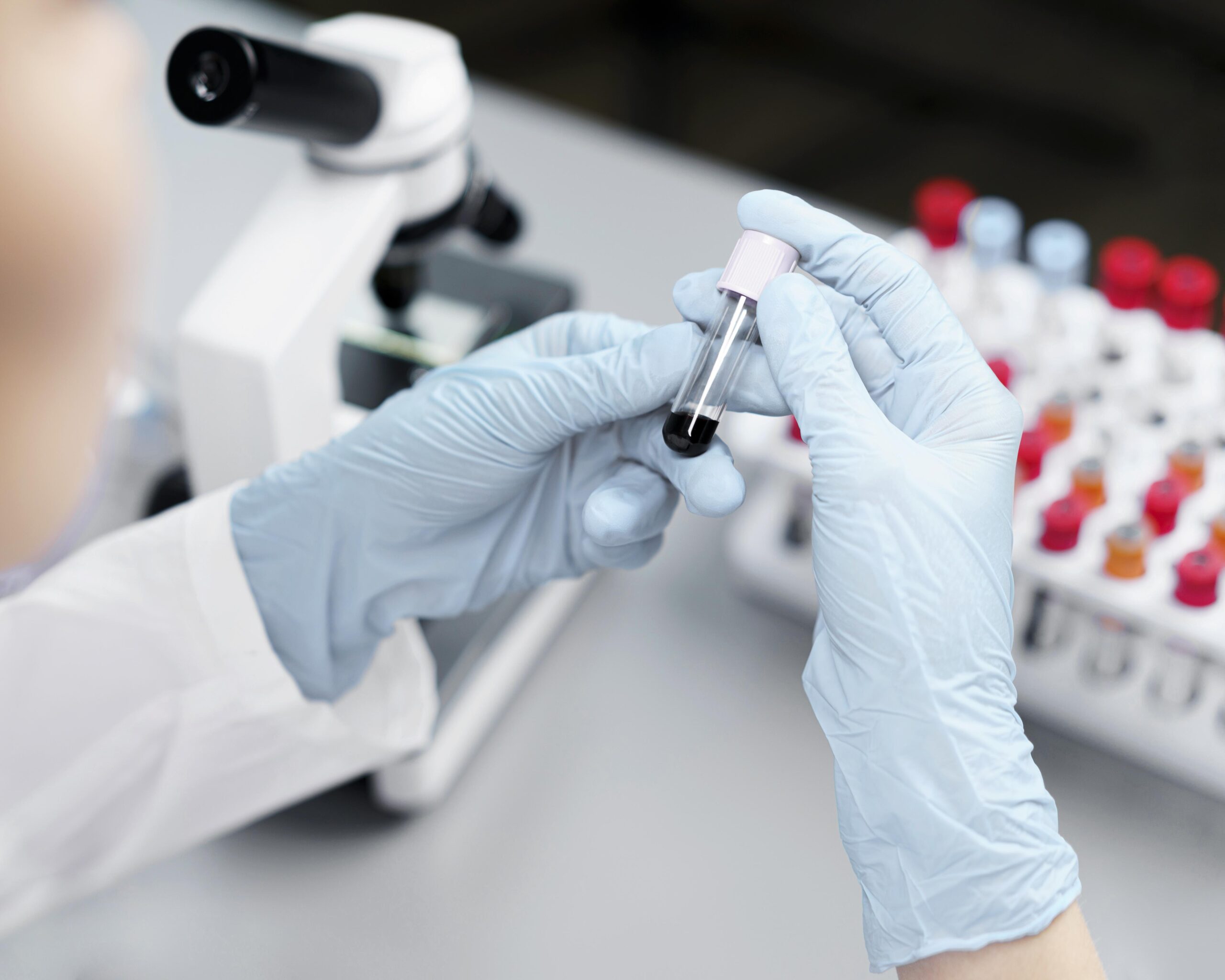
If you’ve started fertility testing, you’ve likely come across a list of hormone names and abbreviations that can feel more confusing than clarifying. Each hormone tested plays a distinct role in reproductive health, and understanding what each one actually measures can make your results — and your doctor’s recommendations — feel far more understandable.
Why hormone testing matters in a fertility evaluation
Hormones essentially coordinate the entire reproductive process — from egg development and ovulation to the uterine lining’s ability to support a pregnancy. Testing specific hormones at the right point in your cycle gives your doctor a detailed picture of how well each part of this system is functioning, helping identify the specific cause behind fertility challenges rather than guessing.
AMH (Anti-Müllerian Hormone): a marker of ovarian reserve
AMH is produced by small follicles in the ovaries and gives an estimate of your remaining egg supply, known as ovarian reserve. Unlike many other fertility hormones, AMH can be tested at any point in your cycle, since it doesn’t fluctuate significantly day to day. A lower AMH doesn’t mean pregnancy isn’t possible — it primarily helps guide timing decisions and expectations around treatments like IVF.
FSH (Follicle-Stimulating Hormone): stimulating egg development
FSH is responsible for stimulating the growth of follicles in the ovaries each cycle. It’s typically tested early in the menstrual cycle (usually day 2 or 3), and elevated FSH levels can suggest the ovaries are working harder than usual to stimulate follicle growth, which may indicate declining ovarian reserve.
LH (Luteinizing Hormone): triggering ovulation
LH triggers the release of a mature egg from the ovary — ovulation. A sudden surge in LH is actually what most home ovulation predictor kits detect. Beyond ovulation timing, LH levels (particularly in relation to FSH) can also help identify conditions like PCOS, where the LH-to-FSH ratio is often altered.
Estradiol: reflecting follicle development
Estradiol, a form of oestrogen, rises as follicles develop through the cycle and is often tested alongside FSH to give a fuller picture of ovarian function, since an abnormal estradiol level can sometimes affect how FSH results should be interpreted.
Progesterone: confirming ovulation occurred
Progesterone rises after ovulation and helps prepare the uterine lining for a potential pregnancy. Testing progesterone roughly a week after expected ovulation helps confirm whether ovulation actually occurred that cycle, which is a key piece of information in an infertility workup.
Thyroid hormones: an often-overlooked factor
Thyroid function (TSH, and sometimes free T3/T4) is frequently included in a fertility hormone panel, since both an underactive and overactive thyroid can disrupt ovulation and menstrual regularity. This is an easily tested and often very manageable factor when identified.
Why timing matters for accurate results
Because hormone levels naturally shift throughout the menstrual cycle, several of these tests need to be done on specific cycle days to be interpreted accurately. Your doctor will guide you on exactly when to test each hormone — testing on the wrong day can produce a misleading result.
Understanding your results in context
No single hormone result tells the complete story on its own — your doctor interprets your full hormone panel together, alongside your age, cycle history, and any other findings, to build an accurate picture of your fertility health. This is why a proper consultation to interpret results matters far more than trying to assess a single number in isolation.
Our Hormone Laboratory provides comprehensive fertility hormone testing as part of a complete evaluation. Contact Samad Hospital to book your hormone panel.
This article is for general information only and is not a substitute for personal medical advice. Please consult a fertility specialist to interpret your specific results.
Leave a Comment