
Well Woman Checkups: Why Every Woman Needs an Annual Gynecological Exam - Samad Hospital
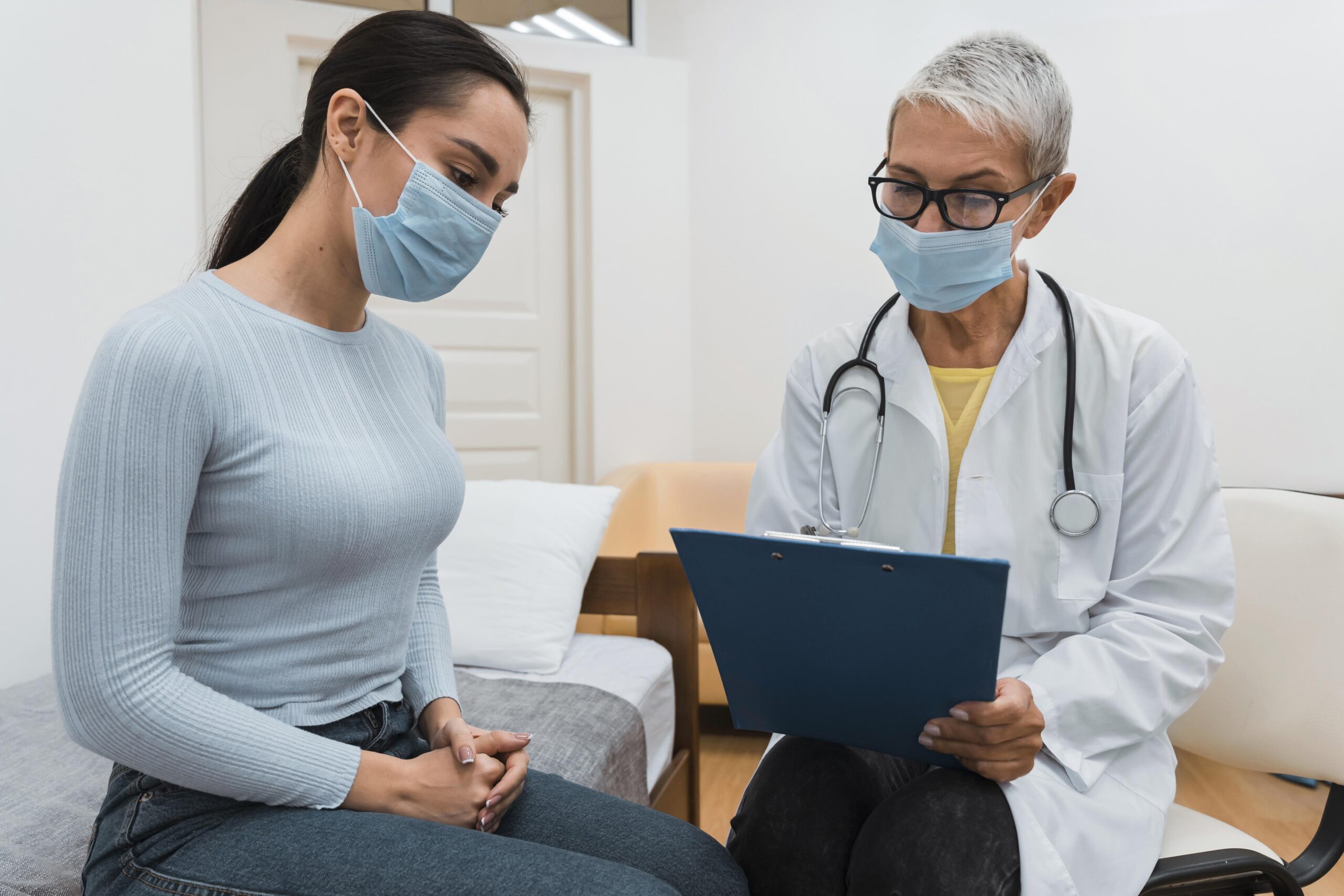
It’s easy to think of gynecological care as something needed only during pregnancy, when trying to conceive, or when a specific symptom arises. In reality, an annual well-woman checkup is one of the most valuable things a woman can do for her long-term health, regardless of age, fertility plans, or whether anything currently feels “wrong.” At Samad Hospital’s Well Women Clinic, we see firsthand how much of a difference regular preventive care makes.
What a Well-Woman Checkup Actually Involves
Unlike a visit prompted by a specific concern, a well-woman checkup is a comprehensive, preventive evaluation designed to catch potential issues early — often before any symptoms appear at all. A typical checkup includes:
- A detailed health history review, covering menstrual patterns, family history, and any changes since your last visit
- A general physical examination, including blood pressure and relevant baseline measurements
- Breast examination, checking for any changes or abnormalities
- Pelvic examination, assessing reproductive organ health
- Cervical cancer screening (Pap smear), recommended at age-appropriate intervals
- Discussion of contraception or family planning, tailored to your current life stage and goals
- Screening for other relevant conditions, such as bone density assessments, particularly as women approach and pass menopause
Why “Nothing Feels Wrong” Isn’t a Reason to Skip It
Many of the conditions a well-woman checkup screens for — including cervical changes, certain hormonal imbalances, and early-stage reproductive health issues — develop silently, without noticeable symptoms in their early stages. This is precisely why preventive screening matters: waiting for symptoms to appear often means the condition has already progressed further than it would have if caught during routine screening. An annual visit isn’t about assuming something is wrong; it’s about catching anything that might be, while it’s still easiest to address.
Well-Woman Care at Different Life Stages
Adolescence and Early Adulthood For younger women, well-woman visits often focus on menstrual health, guidance on reproductive health, and establishing a baseline understanding of what’s normal for your body. Our Pediatrics and Adolescent Clinic often coordinates with well-woman care during the transition into adult gynecological health, particularly when irregular periods or other concerns first emerge during the teenage years.
Reproductive Years For women actively planning a family or managing fertility, well-woman visits provide a useful baseline alongside fertility-specific care. If you’re also navigating irregular cycles, weight-related hormonal changes, or a PCOS diagnosis, this connects closely with the concerns discussed in our article on PCOS and weight.
Perimenopause and Menopause As women approach menopause, well-woman visits become particularly important for monitoring bone density, cardiovascular risk factors, and managing symptoms associated with hormonal shifts. Screening frequency and focus areas often shift during this stage to reflect these changing health priorities.
The Role of Cervical Cancer Screening
Cervical cancer is one of the most preventable cancers when caught early, largely because it typically develops slowly and shows detectable cellular changes well before becoming invasive. Regular Pap smear screening, at intervals appropriate to your age and history, remains one of the most effective preventive health measures available to women — and one that’s often skipped simply due to lack of symptoms or discomfort with the exam itself.
Well-Woman Care and Fertility Planning
For women planning to conceive, either naturally or through fertility treatment, a well-woman checkup can identify factors worth addressing before starting the process — from cervical health to underlying hormonal patterns. This kind of preventive groundwork pairs well with the more detailed hormone evaluation discussed in our article on understanding hormone testing, particularly for women who suspect an underlying issue but haven’t yet pursued formal fertility testing.
Addressing Common Hesitations
Many women delay or avoid well-woman visits due to discomfort, embarrassment, or simply not prioritizing their own preventive care amid other responsibilities. It’s worth reframing this visit as a routine, judgment-free part of overall health maintenance — similar to a dental check-up or annual physical — rather than something reserved only for when a problem arises. A compassionate, experienced care team can also make a significant difference in how comfortable this experience feels, particularly for women who’ve had difficult experiences with gynecological care in the past.
How Often Should You Schedule a Well-Woman Visit?
While individual recommendations vary based on age, health history, and risk factors, an annual visit is generally recommended as a baseline for most women from the start of their reproductive years onward. Certain findings or risk factors may warrant more frequent monitoring, which your care team can guide you through based on your specific history.
Taking a Proactive Approach to Your Health
A well-woman checkup isn’t just about screening for problems — it’s an opportunity to have an open conversation about your health, ask questions, and get guidance tailored to your current life stage, whether that’s family planning, managing a specific symptom, or simply maintaining long-term wellbeing.
Don’t wait for a symptom to prompt your next visit. Book a consultation with our Well Women Clinic or call TVM: +91 80788 11101 to schedule your annual checkup.
Leave a Comment