
PCOS & Obesity Clinic in Trivandrum | Samad Hospital
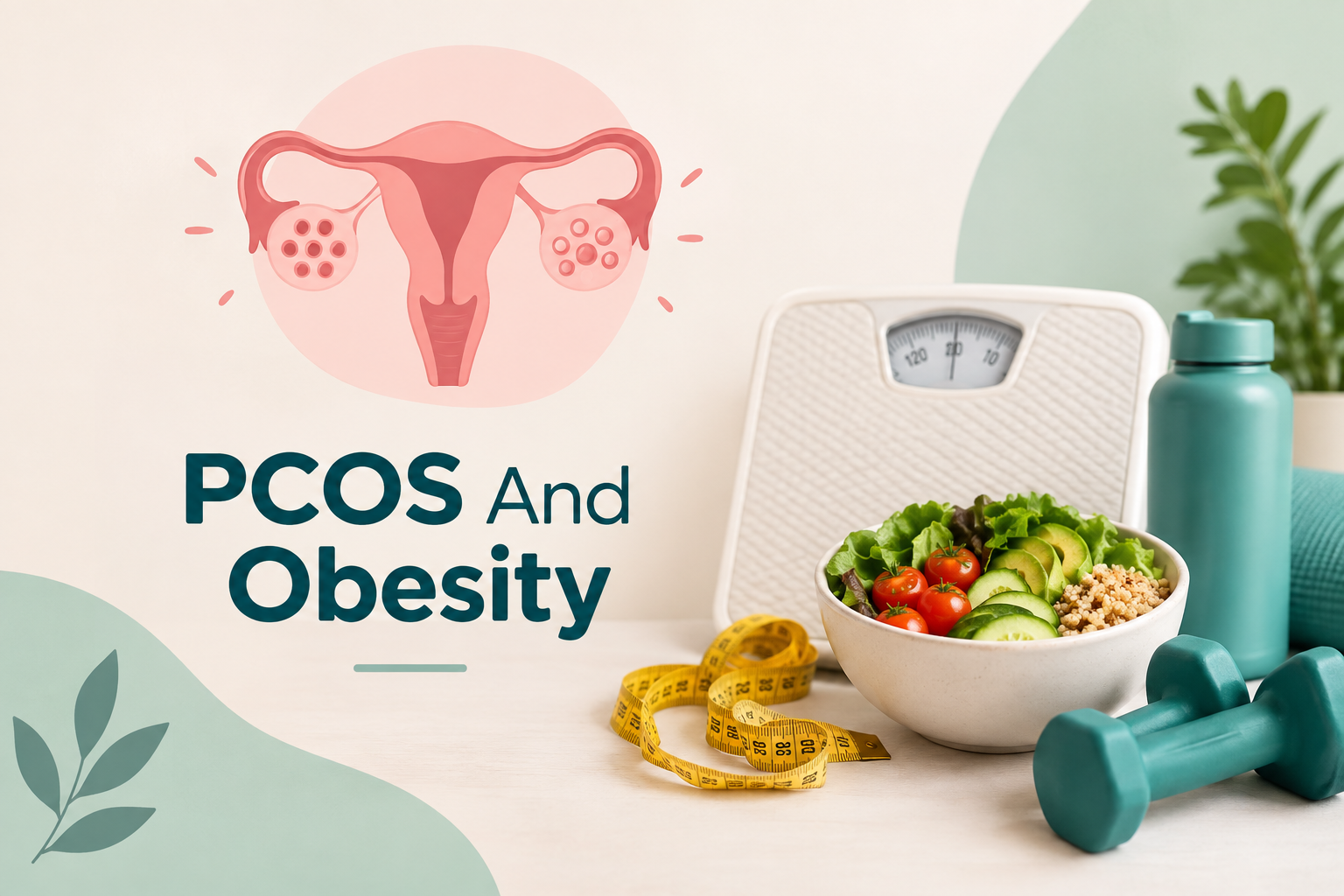
Polycystic Ovary Syndrome (PCOS) and obesity are health concerns that can affect different aspects of a woman’s well-being. They may influence hormonal balance, menstrual health, metabolism, weight management, fertility, and overall quality of life. Because these concerns can be interconnected, proper evaluation and a personalized approach to care can be valuable.
A PCOS And Obesity Clinic provides focused healthcare for women who require support with PCOS, weight management, metabolic health, and related concerns. The goal is not simply to focus on weight or individual symptoms but to understand the broader health picture and develop an appropriate care plan. Samad Hospital provides healthcare services with an emphasis on professional evaluation, individualized guidance, and long-term wellness.
What Is PCOS?
Polycystic Ovary Syndrome is a common hormonal condition that can affect women during their reproductive years. It may be associated with irregular menstrual cycles, hormonal changes, acne, increased hair growth, difficulty with weight management, and challenges related to fertility.
The symptoms and severity of PCOS can vary significantly between individuals. Some women may experience only a few symptoms, while others may have several concerns at the same time.
A diagnosis should be made by a qualified healthcare professional after considering medical history, symptoms, physical assessment, and appropriate investigations. Not every woman with irregular periods or weight changes necessarily has PCOS.
Understanding the Connection Between PCOS and Obesity
PCOS and excess body weight can sometimes occur together, and metabolic changes may be present in some women with PCOS. Weight-related factors can also influence hormonal and metabolic health.
However, PCOS is not simply a weight-related condition. Women of different body types can experience PCOS, and healthcare should always focus on the individual rather than making assumptions based on appearance or weight alone.
A PCOS And Obesity Clinic can provide a more comprehensive assessment by considering reproductive health, hormonal symptoms, metabolic factors, lifestyle, nutrition, and other relevant aspects of health.
Why Choose a PCOS And Obesity Clinic?
Managing PCOS may involve more than addressing one symptom. For example, a woman may seek medical advice because of irregular periods, while another may be concerned about fertility, unwanted hair growth, weight management, or metabolic health.
A specialized clinic can help bring these concerns together and provide a coordinated approach. Depending on the individual’s needs, care may include medical evaluation, nutrition guidance, lifestyle recommendations, and appropriate follow-up.
At Samad Hospital, healthcare professionals can assess each patient’s concerns and provide guidance based on their individual health requirements.
Common Symptoms Associated With PCOS
PCOS can present differently from one woman to another. Some commonly reported features may include:
- Irregular or infrequent menstrual periods
- Hormonal imbalance
- Acne or oily skin
- Increased facial or body hair
- Difficulty managing weight
- Changes in hair growth or hair thinning
- Fertility-related concerns
- Metabolic health concerns
Having one or more of these symptoms does not automatically mean that a woman has PCOS. Professional assessment is important to understand the underlying cause.
The Importance of Proper Diagnosis
There is no single test that can determine every case of PCOS. Healthcare professionals generally consider the patient’s medical history, symptoms, examination findings, and relevant investigations.
Depending on the situation, blood tests, ultrasound examinations, or other assessments may be recommended. These investigations can help doctors evaluate hormonal and reproductive health and rule out other possible causes of symptoms.
A proper diagnosis is important because treatment should be based on the individual’s needs rather than a general approach.
Weight Management and PCOS
Weight management may be an important component of care for women with PCOS who are overweight or obese. Even modest improvements in lifestyle habits may support overall metabolic and reproductive health for some individuals.
However, healthy weight management should be approached gradually and realistically. Extreme diets or rapid weight-loss methods may not provide sustainable results.
A PCOS And Obesity Clinic can help patients understand appropriate nutrition, physical activity, sleep, and other lifestyle factors. The focus should be on building sustainable habits rather than pursuing unrealistic short-term goals.
Nutrition Guidance
Nutrition plays an important role in overall metabolic health. Women with PCOS may benefit from a balanced eating pattern that provides adequate protein, fiber, vitamins, minerals, and other essential nutrients.
A healthcare professional or qualified nutrition specialist can help develop an eating plan based on individual needs, preferences, health status, and lifestyle.
Instead of following a restrictive diet based on online trends, patients should seek personalized guidance. Dietary requirements can differ significantly between individuals.
Samad Hospital can support patients by providing appropriate healthcare guidance and helping them understand the role of healthy lifestyle choices in managing PCOS and related concerns.
Physical Activity and Lifestyle
Regular physical activity can contribute to cardiovascular health, metabolic well-being, fitness, and overall quality of life. Exercise may also support healthy weight management when combined with appropriate nutrition.
Patients do not necessarily need to begin with intensive workouts. Activities such as walking, strength exercises, cycling, swimming, or other enjoyable forms of movement can be incorporated according to individual ability and medical advice.
Adequate sleep and stress management are also important parts of a healthy lifestyle. A balanced approach can be more sustainable than focusing on one aspect of health alone.
PCOS and Fertility
Some women with PCOS may experience difficulties with ovulation, which can affect fertility. However, having PCOS does not mean that pregnancy is impossible.
Fertility management depends on the individual’s reproductive health, age, symptoms, and other factors. A healthcare professional can assess the situation and discuss suitable options when pregnancy is being planned.
Women who are concerned about fertility can seek professional advice rather than relying on assumptions based solely on a PCOS diagnosis.
Long-Term Health Considerations
PCOS can involve more than reproductive symptoms. Some women may have an increased likelihood of developing certain metabolic health concerns, particularly when other risk factors are present.
Regular healthcare follow-up can help monitor relevant health indicators and identify concerns that may require attention. This is one reason why long-term management can be an important part of PCOS care.
A PCOS And Obesity Clinic can help coordinate appropriate assessments and lifestyle guidance based on the patient’s individual health profile.
Personalized Care at Samad Hospital
Every woman’s experience with PCOS is different. Some may primarily experience menstrual irregularities, while others may have concerns involving weight management, fertility, skin changes, or metabolic health.
Samad Hospital focuses on individualized healthcare and encourages patients to discuss their symptoms and concerns openly. The healthcare team can review relevant medical information and recommend appropriate evaluation and management.
Personalized care also means regularly reviewing progress and adjusting recommendations when necessary.
Frequently Asked Questions
Can PCOS cause weight gain?
PCOS can be associated with difficulty managing weight in some women, but weight changes can have many causes. A healthcare professional can assess individual factors and provide appropriate guidance.
Can women with PCOS lose weight?
Yes. Women with PCOS can work toward healthy weight management through sustainable nutrition, physical activity, and appropriate medical guidance when needed.
Does every woman with PCOS have obesity?
No. PCOS can affect women across different body sizes. Weight should not be used alone to determine whether someone has PCOS.
Can PCOS affect fertility?
PCOS can affect ovulation in some women and may therefore contribute to fertility difficulties. However, many women with PCOS are able to conceive with appropriate medical support when required.
Is long-term follow-up necessary?
Depending on symptoms and individual health factors, regular follow-up may be beneficial. A healthcare professional can recommend an appropriate monitoring schedule.
Conclusion
A PCOS And Obesity Clinic can provide comprehensive support for women dealing with PCOS, weight-related concerns, hormonal symptoms, and associated metabolic or reproductive issues. Understanding the individual causes and symptoms is an important part of developing an effective healthcare plan.
Samad Hospital focuses on professional evaluation and personalized care for women with PCOS and related concerns. Through appropriate medical assessment, nutrition guidance, healthy lifestyle practices, and regular follow-up, patients can work toward better overall health and well-being.
If you are experiencing irregular periods, unexplained hormonal symptoms, challenges with weight management, or fertility-related concerns, consulting a qualified healthcare professional can help you understand the possible causes and identify suitable next steps.
Leave a Comment