
PCOS and Pregnancy: Fertility Challenges, Treatment Options and When to Seek Help - Samad Hospital
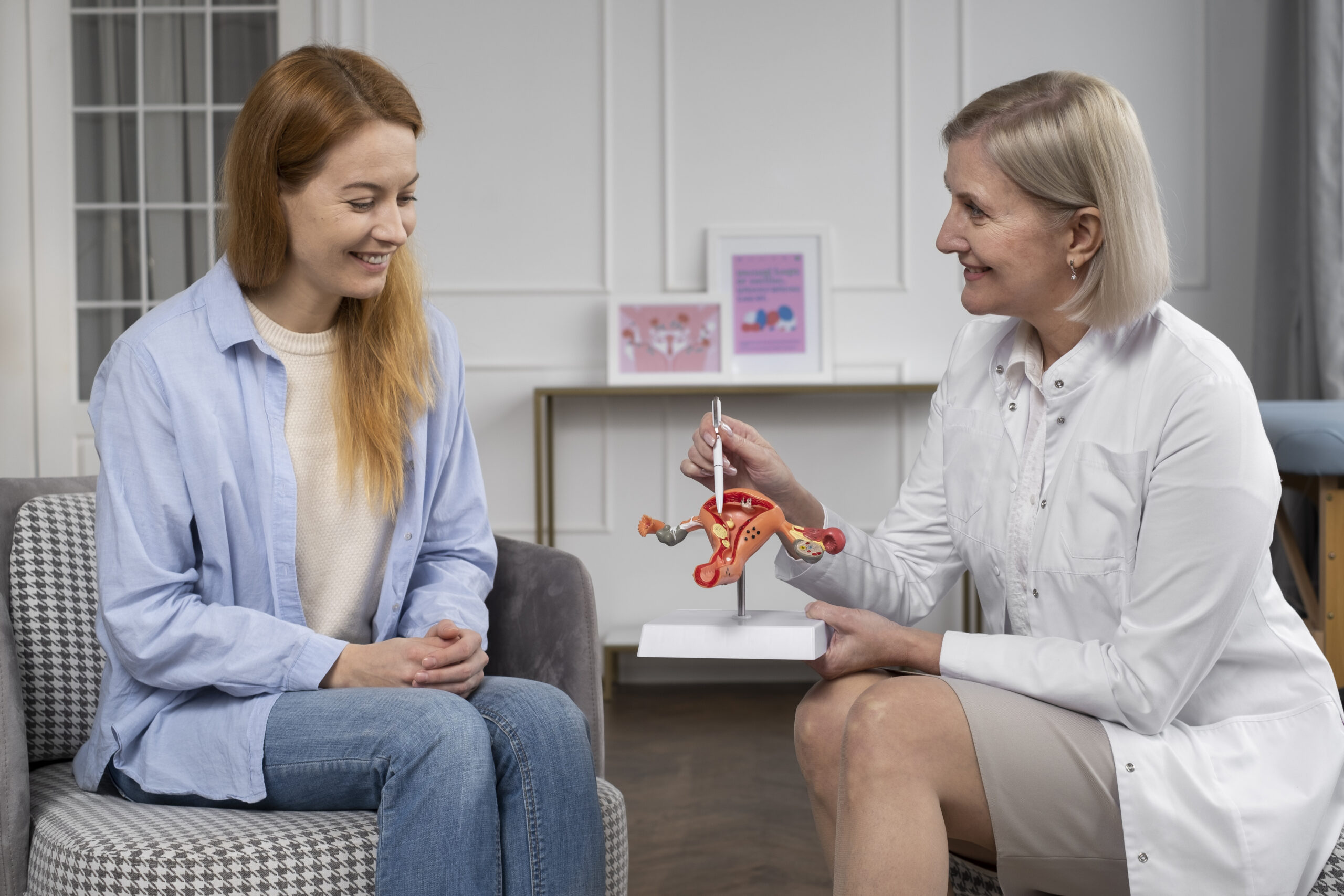
Polycystic Ovary Syndrome (PCOS) is a common hormonal condition that can affect a woman’s menstrual cycle, ovulation and fertility. Many women diagnosed with PCOS worry about whether they will be able to conceive naturally. The good news is that many women with PCOS can become pregnant, either naturally or with appropriate medical support.
PCOS may cause irregular ovulation, making it more difficult to predict the fertile window. However, the condition does not automatically mean infertility. Understanding how PCOS affects reproductive health, recognising the symptoms and seeking timely medical advice can help women make informed decisions about pregnancy planning.
At Samad Hospital, women experiencing fertility concerns can explore appropriate consultation and treatment options based on their individual needs.
What Is PCOS?
Polycystic Ovary Syndrome is a hormonal and metabolic condition that can affect women during their reproductive years. It is often associated with irregular menstrual cycles, increased androgen levels and changes in the appearance of the ovaries on ultrasound.
Despite its name, not every woman with PCOS has visible ovarian cysts. The condition is diagnosed using a combination of medical history, examination, blood tests and, when appropriate, ultrasound findings. Other conditions that can cause similar symptoms may need to be excluded.
PCOS can affect women differently. Some experience irregular periods and acne, while others primarily notice difficulty conceiving. A personalised medical assessment is important to understand how the condition is affecting each individual.
How Does PCOS Affect Pregnancy?
PCOS can affect fertility mainly by interfering with regular ovulation. Ovulation occurs when an ovary releases an egg that may be fertilised by sperm.
In women with PCOS, hormonal changes can prevent an egg from developing or being released regularly. As a result, periods may be irregular or absent, and identifying the most fertile days can become difficult.
PCOS may affect pregnancy planning in several ways:
- Irregular ovulation: Eggs may not be released every month, reducing the number of opportunities for conception.
- Irregular menstrual cycles: Unpredictable periods can make it harder to estimate the fertile window.
- Insulin resistance: Some women with PCOS have insulin resistance, which can contribute to hormonal and metabolic changes.
- Weight-related factors: For some women, excess weight can worsen insulin resistance and ovulatory difficulties. However, PCOS also occurs in women who are not overweight.
- Other fertility factors: Male-factor infertility, age and other reproductive conditions may also influence the time it takes to conceive.
A fertility assessment can help identify the factors that are most relevant to your situation.
Common PCOS Symptoms to Recognise
Recognising PCOS symptoms can help women seek an assessment earlier, particularly when planning a pregnancy.
1. Irregular Periods
Menstrual cycles that are consistently irregular, very long or absent may indicate that ovulation is not occurring regularly. This is one of the common features of PCOS.
2. Acne and Oily Skin
Higher androgen levels can contribute to acne and increased oil production. Persistent acne may occur alongside other symptoms of PCOS.
3. Excess Facial or Body Hair
Some women experience increased hair growth on the face, chest or abdomen because of elevated androgen levels.
4. Thinning Hair
Hair thinning on the scalp can occur in some women with PCOS and may be related to hormonal changes.
5. Difficulty Conceiving
Women with PCOS may take longer to become pregnant because ovulation can be unpredictable or infrequent. Difficulty conceiving should be assessed rather than assumed to be caused by PCOS alone.
Not every woman experiences all these symptoms. A doctor can help determine whether PCOS or another condition is responsible.
Can Women with PCOS Get Pregnant Naturally?
Yes. Many women with PCOS conceive naturally, particularly when ovulation occurs regularly or becomes more predictable with lifestyle and medical support.
The likelihood of pregnancy depends on several factors, including age, ovulation patterns, duration of trying to conceive, sperm health and other reproductive conditions.
Women with irregular periods should consider consulting a healthcare professional rather than relying only on calendar-based methods to predict ovulation. If periods are very infrequent or absent, a medical assessment can help identify the cause and guide treatment.
PCOS is only one part of the fertility picture. Evaluating both partners, when appropriate, can help avoid delays and ensure that treatment addresses the actual causes of difficulty conceiving.
PCOS Fertility Treatment Options
Treatment depends on the woman’s symptoms, medical history, age and pregnancy goals. A fertility specialist may recommend one or more of the following approaches.
1. Lifestyle Changes
Balanced nutrition, regular physical activity and adequate sleep can support overall metabolic health. For women who have excess weight, a clinician may discuss whether gradual, sustainable weight management could improve ovulation and other PCOS-related symptoms.
However, weight loss is not a requirement for every woman with PCOS, and healthy lifestyle habits can be beneficial regardless of body size.
Avoid extreme diets or unverified fertility supplements. A sustainable plan tailored to individual needs is generally more appropriate.
2. Ovulation Induction Medication
When irregular or absent ovulation is the main cause of infertility, a doctor may recommend medication to help stimulate ovulation. Letrozole is commonly recommended as a first-line pharmacological treatment for ovulation induction in many women with PCOS who have anovulatory infertility and no other identified infertility factors.
Other medicines may be considered in selected circumstances. These treatments require medical supervision because the choice, dosage and monitoring depend on individual factors.
3. Management of Insulin Resistance
Some women with PCOS have insulin resistance or other metabolic concerns. A doctor may recommend testing and, when appropriate, medication such as metformin. It can be useful in selected patients, but it is not a universal fertility treatment and should not be started without medical advice.
4. Intrauterine Insemination (IUI)
Intrauterine insemination involves placing prepared sperm into the uterus around the time of ovulation. It may be considered in selected fertility situations, depending on factors such as sperm health, the condition of the fallopian tubes and previous treatment outcomes.
IUI is not automatically necessary for every woman with PCOS. The specialist will assess whether it offers a meaningful benefit.
5. In Vitro Fertilisation (IVF)
In vitro fertilisation may be recommended when other treatments have not been successful or when additional fertility factors make IVF more suitable.
During IVF, eggs are collected from the ovaries and fertilised with sperm in a laboratory. An embryo is then transferred into the uterus. Women with PCOS may respond strongly to fertility medication, so the treatment protocol and monitoring are carefully planned to reduce the risk of ovarian hyperstimulation syndrome.
IVF is not required for every woman with PCOS. Many women can conceive with ovulation-focused treatment or without fertility treatment, depending on their circumstances.
Learn more about fertility care through the Samad Hospital website.
Does PCOS Increase Pregnancy Risks?
PCOS can be associated with a higher risk of certain pregnancy complications, including gestational diabetes, high blood pressure during pregnancy and pre-eclampsia. The degree of risk varies between individuals and can be influenced by age, weight, metabolic health and other medical factors.
Having PCOS does not mean that these complications will definitely occur. Pre-pregnancy counselling and appropriate antenatal care can help identify risks and plan monitoring.
If you have PCOS and are planning a pregnancy, discuss your medications, blood pressure, blood sugar and any other health concerns with your healthcare professional. Once pregnant, attend recommended antenatal appointments and follow your clinician’s advice.
When Should You See a Fertility Specialist?
Consider seeking a fertility consultation if:
- You have been trying to conceive for 12 months and are under 35.
- You are 35 or older and have been trying to conceive for six months.
- Your periods are very irregular or absent.
- You have already been diagnosed with PCOS and want to plan a pregnancy.
- You have experienced repeated pregnancy loss or have other known fertility concerns.
You do not need to wait for the usual timeframes if your periods are absent or you already have a condition known to affect fertility. An earlier assessment may help identify the right next steps.
Plan Your Fertility Journey with Samad Hospital
A diagnosis of PCOS can feel worrying when you are planning a family, but it does not mean that pregnancy is out of reach. With the right assessment and an individualised treatment plan, many women with PCOS can work towards their pregnancy goals.
The first step is understanding your ovulation pattern, hormonal health and any other factors that may affect conception. Depending on your needs, a healthcare professional may recommend lifestyle changes, ovulation induction or more advanced fertility treatment.
If you are experiencing irregular periods or difficulty conceiving, consider arranging a consultation with an appropriate fertility specialist at Samad Hospital to discuss your concerns and available options.
Take an informed first step towards your pregnancy goals with personalised fertility guidance.
Frequently Asked Questions
1. Can I get pregnant if I have PCOS?
Yes. Many women with PCOS become pregnant naturally or with medical support. The likelihood depends on ovulation, age, sperm health and other fertility factors.
2. What is the best treatment for PCOS-related infertility?
Treatment depends on the cause of infertility. When irregular ovulation is the main issue and no other infertility factor is identified, letrozole is commonly used as a first-line medication for ovulation induction. A fertility specialist can recommend an appropriate plan.
3. Does PCOS mean I need IVF?
No. IVF is only one of several possible treatment options. Some women conceive naturally, while others benefit from ovulation induction or different fertility treatments.
4. Can lifestyle changes improve fertility with PCOS?
Healthy eating, regular physical activity and good sleep can support metabolic health. For some women, these changes may also improve ovulatory function. They should complement, rather than replace, appropriate medical assessment when needed.
5. Is pregnancy with PCOS considered high-risk?
PCOS is associated with an increased risk of certain complications, including gestational diabetes and high blood pressure during pregnancy. Individual risk varies, and appropriate medical monitoring can help manage these concerns.
Medical disclaimer: This article is intended for educational purposes only and does not replace professional medical advice, diagnosis or treatment. Consult a qualified healthcare professional for personalised guidance.
Leave a Comment