
PCOS and Pregnancy: Fertility Challenges, Treatment Options and When to Seek Help - Samad Hospital
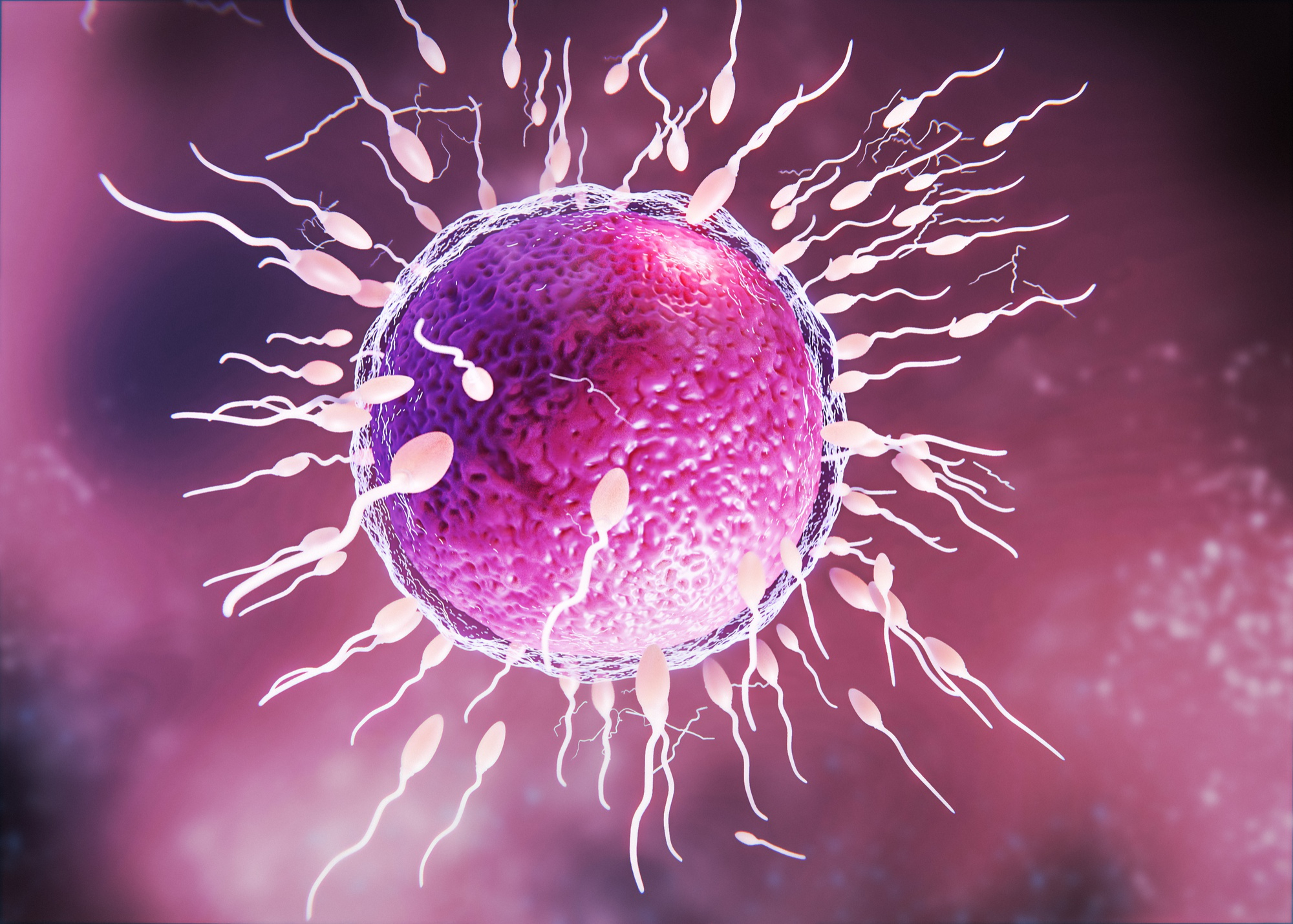
Embryo transfer is one of the most important stages of in vitro fertilisation (IVF). After eggs are collected and fertilised in a laboratory, a selected embryo may be transferred into the uterus with the aim of achieving pregnancy. For many couples, this step brings hope and excitement, along with questions about recovery, daily activities and what happens next.
Understanding what to expect after embryo transfer can help you feel more prepared during the waiting period. Although every fertility journey is different, following your fertility specialist’s instructions, taking prescribed medication and attending scheduled appointments can help you navigate this stage with greater confidence.
At Samad Hospital, couples exploring fertility care can seek professional guidance to understand the IVF process and the next steps after embryo transfer.
What Is Embryo Transfer in IVF?
Embryo transfer is a procedure in which an embryo created through IVF is placed inside the uterus. Before this stage, eggs are collected from the ovaries and fertilised with sperm in a laboratory. The resulting embryos are monitored as they develop, and an embryo may be selected for transfer based on the treatment plan.
Embryo transfer is generally performed using a thin, flexible catheter passed through the cervix into the uterus. It usually does not require general anaesthesia, although individual circumstances may vary.
There are two common approaches:
- Fresh embryo transfer: An embryo is transferred during the same treatment cycle in which the eggs were collected.
- Frozen embryo transfer (FET): An embryo that was previously frozen is thawed and transferred during a later cycle.
Your fertility specialist will recommend the approach that best suits your medical circumstances, embryo development and treatment goals.
What Happens During Embryo Transfer?
The process is generally straightforward, although the exact steps can differ between clinics and patients.
1. Preparing for the Procedure
Before transfer, the fertility team reviews the treatment plan and confirms the timing. Depending on whether a fresh or frozen embryo transfer is planned, the uterine lining may be prepared through natural-cycle monitoring or prescribed hormonal medication.
Follow the clinic’s instructions regarding medication, food, fluids and arrival time.
2. Placing the Embryo
The specialist gently guides a thin catheter through the cervix and places the embryo into the uterus. Ultrasound guidance may be used to assist with positioning.
Most patients experience little discomfort, although mild pressure or cramping can occur. The procedure is usually brief.
3. After the Transfer
After the procedure, the clinic will explain any specific instructions and confirm when to return for a pregnancy test. Some people can resume normal light activities relatively soon, depending on their individual circumstances and the clinic’s advice.
Embryo transfer does not guarantee pregnancy. The outcome depends on several factors, including embryo quality, age, uterine factors and the overall fertility situation.
What Symptoms Can You Experience After Embryo Transfer?
Some women notice physical changes after embryo transfer, while others experience no symptoms at all. Both experiences can be normal.
Mild Cramping
Light pelvic cramping may occur after the procedure. It can also be associated with hormonal medication or other changes during the treatment cycle.
Light Spotting
A small amount of spotting may occur. However, spotting cannot confirm whether implantation has taken place, and the absence of spotting does not indicate treatment failure.
Breast Tenderness
Breast tenderness or swelling may occur because of hormonal changes, including progesterone medication.
Bloating and Fatigue
Some patients experience bloating, tiredness or a feeling of fullness. These symptoms may be related to medication or the recent ovarian stimulation process.
No Symptoms
Not experiencing symptoms does not mean the embryo transfer has failed. Early pregnancy symptoms vary considerably, and many symptoms associated with pregnancy can also be caused by fertility medication.
Important: Symptoms alone cannot reliably confirm pregnancy after IVF. A pregnancy test at the time recommended by your fertility clinic is the most appropriate way to check the outcome.
Recovery Tips After Embryo Transfer
Following your clinic’s instructions is more important than trying unproven techniques. The following general measures may help you feel more comfortable during the waiting period.
1. Continue Prescribed Medication
Take progesterone and any other medication exactly as instructed. Do not stop or change your medication because you notice spotting, experience symptoms or obtain an early home pregnancy test result unless your fertility team advises you to do so.
2. Resume Light Daily Activities
Strict bed rest is generally not recommended after an uncomplicated embryo transfer. Gentle walking and ordinary light activities are usually acceptable unless your fertility specialist gives different instructions.
You do not need to remain completely still to prevent the embryo from falling out. The embryo is placed inside the uterus, and normal movement does not cause it to fall out.
3. Avoid Strenuous Exercise When Advised
After ovarian stimulation and egg retrieval, the ovaries may remain enlarged for some time. Your fertility team may recommend avoiding intense exercise, heavy lifting or high-impact activities during recovery. Follow the advice given for your specific treatment cycle.
4. Eat a Balanced Diet
Choose balanced meals containing vegetables, fruits, whole grains, protein sources and adequate fluids. There is no specific food that guarantees implantation or pregnancy after embryo transfer.
If pregnancy is possible, ask your healthcare professional about folic acid and other appropriate supplements. Avoid starting herbal products or supplements without medical advice.
5. Prioritise Rest and Emotional Well-Being
The waiting period can be emotionally demanding. Try to maintain a comfortable routine, get sufficient sleep and seek support from your partner, trusted family members or a qualified counsellor if needed.
Stress management can support your overall well-being, but feeling anxious or stressed does not mean that you have caused an embryo transfer to fail.
6. Follow Your Clinic’s Advice About Intercourse and Bathing
Recommendations may vary according to your treatment and recovery. Ask your fertility team whether any temporary restrictions on sexual activity, swimming or other activities apply to you. Avoid relying on general online advice when your clinic has provided individual instructions.
When Should You Take a Pregnancy Test After Embryo Transfer?
One of the most common questions after IVF is when to take a pregnancy test.
Your fertility clinic will usually schedule a blood test measuring beta-human chorionic gonadotropin (beta-hCG) at an appropriate interval after embryo transfer. The timing depends on the treatment protocol and the stage of the embryo transferred.
Testing too early can produce a misleading result. In some treatment cycles, medication used to trigger ovulation may also affect an early pregnancy test.
For this reason, follow the date given by your fertility team rather than repeatedly testing at home. If the result is positive, your clinic can advise you about medication, follow-up blood tests and an ultrasound when appropriate.
If the result is negative, speak with your fertility specialist before stopping prescribed medication or making decisions about another treatment cycle.
Warning Signs to Watch for After Embryo Transfer
Mild discomfort may occur, but certain symptoms require prompt medical assessment.
Contact your fertility clinic if you experience:
- Heavy vaginal bleeding.
- Severe or worsening abdominal or pelvic pain.
- Persistent vomiting or significant abdominal swelling.
- Fever or feeling seriously unwell.
- Shortness of breath, chest pain or fainting.
Severe pain, breathing difficulty, chest pain or fainting requires urgent medical attention. These symptoms should not be ignored while waiting for a scheduled pregnancy test.
What Factors Influence IVF Success?
Embryo transfer is one stage of a broader fertility treatment process. Several factors may influence the chance of pregnancy, including:
- Age: Age can affect egg quality and the likelihood of chromosomal abnormalities.
- Embryo development: Embryo quality and developmental stage may influence the chance of implantation.
- Uterine health: Certain uterine conditions can affect the environment in which an embryo develops.
- Underlying fertility factors: The cause and duration of infertility may influence treatment planning.
- Treatment approach: The choice of fresh or frozen transfer and the overall clinical protocol depend on individual circumstances.
No single factor can predict every outcome, and no clinic can guarantee a successful pregnancy. Your fertility specialist can explain your individual circumstances and the options available if another cycle is needed.
Get Guidance for Your IVF Journey at Samad Hospital
The period after embryo transfer can bring many questions, from understanding physical symptoms to knowing when to take a pregnancy test. Remember that each person’s experience is different, and the absence or presence of particular symptoms cannot determine whether treatment has succeeded.
Following your prescribed medication schedule, attending follow-up appointments and contacting your fertility team when concerns arise are practical ways to look after yourself during this stage.
If you are considering IVF or would like to understand the fertility treatment process, visit Samad Hospital to explore available fertility care services and consultation options.
Seek personalised fertility guidance to understand your treatment plan and the next steps in your pregnancy journey.
Frequently Asked Questions
1. How many days should I rest after embryo transfer?
Strict bed rest is generally unnecessary after an uncomplicated embryo transfer. Many patients can return to light daily activities, but you should follow your fertility clinic’s specific advice, particularly after recent egg retrieval.
2. Can the embryo fall out after transfer?
No. Normal walking, standing or using the toilet does not cause the embryo to fall out of the uterus. You do not need to remain in bed to keep the embryo in place.
3. Is cramping normal after embryo transfer?
Mild cramping can occur after transfer or because of hormonal medication. Severe or worsening pain, particularly when accompanied by other concerning symptoms, requires medical assessment.
4. Can I take a home pregnancy test after embryo transfer?
You can, but testing too early may produce a misleading result. Follow the testing date provided by your fertility clinic, which may include a blood beta-hCG test.
5. Does having no symptoms mean IVF has failed?
No. Some women experience symptoms, while others have none before their pregnancy test. Symptoms alone cannot reliably determine whether implantation or pregnancy has occurred.
Medical disclaimer: This article is for educational purposes only and does not replace professional medical advice, diagnosis or treatment. Follow the instructions provided by your fertility specialist.
Leave a Comment