
Low Sperm Count in Men: Causes & Treatment
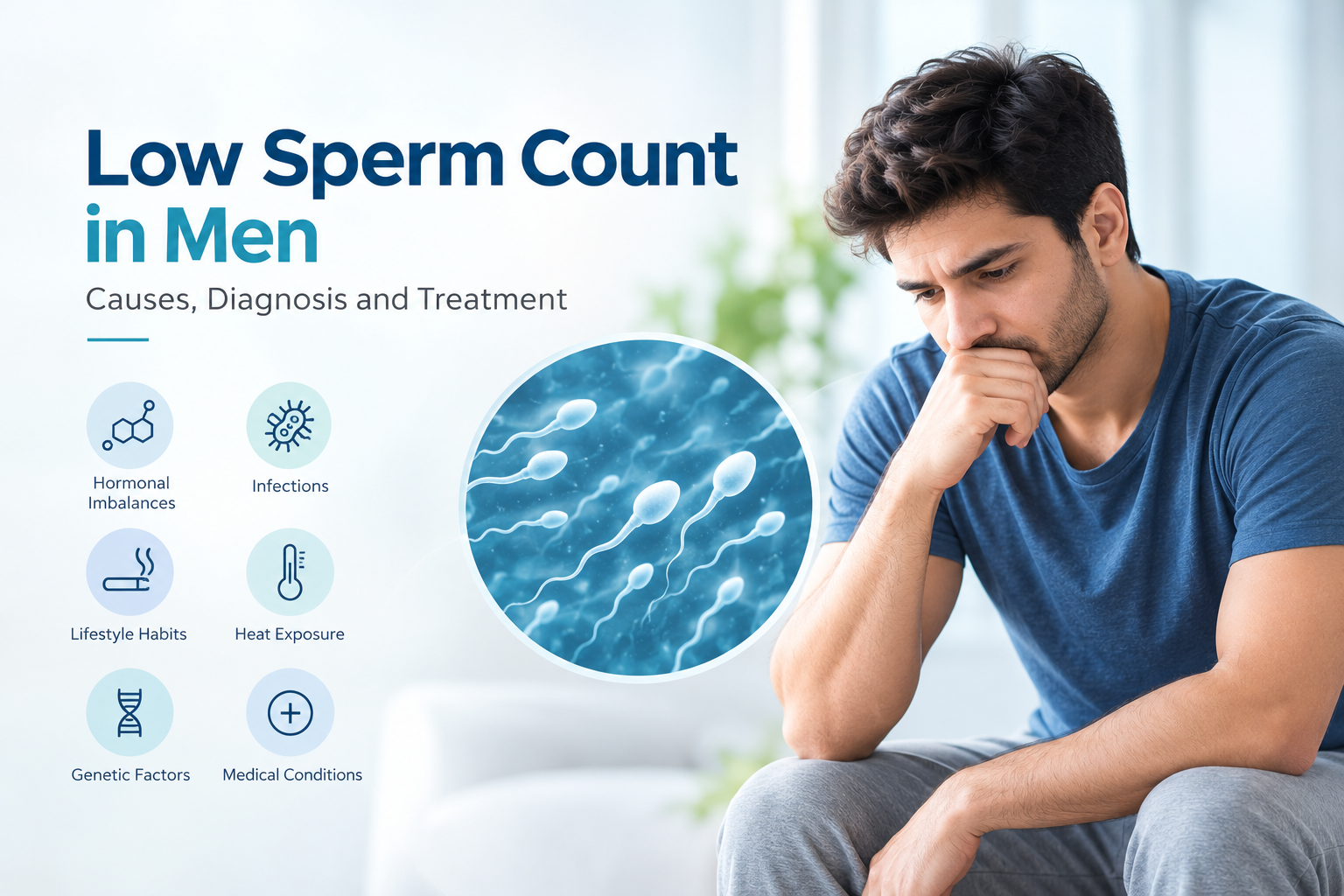
A couple’s chances of conceiving depend on both partners, yet the male side often gets less attention. One of the most common male fertility concerns is low sperm count, called oligospermia in medical terms. It means a semen sample contains fewer sperm per millilitre than expected. Conceiving naturally may take longer or become harder, but many men with reduced sperm counts still become fathers once they receive the right care.
The causes range from hormonal disturbances and infections to inherited conditions, daily habits, and structural problems in the testicles or reproductive ducts. Many men have no warning signs and only learn about the problem when a couple goes through fertility testing.
Treatment works best when the underlying cause is known, and many causes can be managed after a proper assessment. Specialised andrology treatment in Kerala helps men understand what is affecting their fertility and choose a plan that suits their own health.
What Is Low Sperm Count?
Oligospermia means the sperm concentration in a semen sample falls below the normal range. The World Health Organization’s sixth-edition laboratory manual sets the lower reference limit (the fifth percentile) at about 16 million sperm per millilitre.
Falling below this figure does not automatically mean a man is infertile. Some men with lower concentrations conceive naturally, while others struggle because of additional problems with sperm function or reproductive health.
Count is only one part of the picture. Sperm movement (motility), shape (morphology), semen volume, and general reproductive health all affect the chances of fertilisation.
Common Causes of Low Sperm Count
Several medical, hormonal, environmental, and lifestyle factors can lower sperm production. Finding the exact cause guides the choice of treatment.
1. Hormonal Imbalances
Sperm production depends on signals from the hypothalamus and pituitary gland, which tell the testicles to make sperm. When the levels of testosterone, follicle-stimulating hormone (FSH), or luteinising hormone (LH) are disturbed, production can fall.
Hormone-related problems linked to low sperm count include:
Low testosterone
Pituitary gland disorders
Hypogonadism
Thyroid disturbances
High prolactin levels
These imbalances can also affect other aspects of reproductive health. Blood tests and a clinical examination can detect them.
2. Varicocele
A varicocele is a swelling of the veins inside the scrotum, much like varicose veins in the legs. It is a well-recognised contributor to male infertility.
The enlarged veins can disturb the testicles’ temperature control. Higher scrotal temperature and altered blood flow can harm both the quantity and quality of sperm.
Men with a varicocele may notice:
A dull ache or discomfort in the scrotum
A sense of heaviness in the testicles
Visible or swollen veins in the scrotal area
Poorer sperm quality
Surgery is not always needed. The decision depends on symptoms, fertility goals, examination findings, and semen analysis results.
3. Infections of the Reproductive System
Some infections interfere with sperm production or with the passage of sperm. Infections of the testicles, epididymis, or prostate can cause inflammation and sometimes damage reproductive tissue.
Examples include:
Epididymitis
Orchitis
Sexually transmitted infections
Bacterial infections left untreated
Certain infections leave scarring or blockages that stop sperm from reaching the semen. Early diagnosis and treatment help avoid lasting complications.
4. Genetic Conditions
Inherited factors can affect how the male reproductive system develops and functions. Some reduce sperm production, and others result in no sperm in the semen at all.
Examples include:
Klinefelter syndrome
Y-chromosome microdeletions
Other genetic abnormalities affecting testicular development
Congenital absence of the vas deferens
Men with a very low count or azoospermia (no sperm in the semen) may need specialised genetic tests. The results help doctors understand the condition and its bearing on fertility treatment.
5. Lifestyle Habits and Poor Nutrition
Everyday habits strongly influence male reproductive health. Unhealthy routines can alter hormones, increase oxidative stress, and lower sperm quality.
Habits linked to weaker sperm health include:
Smoking and tobacco use
Heavy drinking
Recreational drug use
Poor eating habits
Physical inactivity
Obesity or excess body weight
Long-term lack of sleep
A diet short on key nutrients can also disrupt normal reproductive function, while a balanced one with enough vitamins, minerals, protein, and antioxidants supports general health. Lifestyle changes cannot promise a higher sperm count, but they can support medical treatment and improve overall reproductive health.
6. Excess Heat Exposure
The testicles sit outside the main body cavity because sperm production needs a temperature slightly below core body temperature. Repeated overheating can interfere with this process.
Possible sources of heat include:
Frequent hot tub or sauna use
Long periods in very hot surroundings
Jobs that involve working in heat
Habits that regularly raise scrotal temperature
The effect differs from person to person. Avoiding long and unnecessary heat exposure helps protect testicular function.
7. Medications and Medical Treatments
Some drugs and therapies reduce sperm production. Chemotherapy and radiation therapy, especially when aimed near the reproductive organs, can destroy sperm-producing cells. Certain prescription medicines, including some hormonal treatments and drugs that disrupt testosterone production, may also play a role.
Anabolic steroids deserve special mention. They may build muscle, but they suppress the hormones that drive natural sperm production and can sharply reduce sperm count.
Men with fertility difficulties should tell their doctor about every medicine they take, and should not stop prescribed medication on their own.
8. Blockages in the Reproductive Tract
Sperm made in the testicles pass through a series of ducts before joining other fluids to form semen. A blockage along this route can keep sperm out of the ejaculate. Blockages can result from past infections, injuries, surgeries, or conditions present from birth.
In such cases the testicles may produce sperm normally, yet the semen contains very few or none. A specialist can work out whether the problem lies in production or in transport.
Symptoms of Low Sperm Count
Low sperm count often causes no visible symptoms, and many men find out only through fertility testing. Some signs, however, may point to an underlying reproductive or hormonal problem:
Not conceiving after regular unprotected intercourse
Lower sexual desire
Erectile difficulties
Pain, swelling, or discomfort in the testicles
Reduced facial or body hair, which can occur with hormonal disorders
Breast enlargement in certain hormonal conditions
Having one or more of these does not necessarily mean the sperm count is low. Only a medical examination can find the cause.
How Is Low Sperm Count Diagnosed?
A correct diagnosis is the first step in understanding a fertility problem. The tests a doctor suggests depend on the man’s history, symptoms, and examination findings.
1. Semen Analysis
This is the main test for male fertility. It measures:
Sperm concentration
Total sperm count
Motility
Morphology
Semen volume
Other relevant semen parameters
Sperm production varies over time, so an abnormal result may need to be confirmed with a repeat test. When to repeat depends on the first result and the clinical situation.
2. Hormonal Blood Tests
These show whether testosterone production or hormonal regulation is affecting sperm output. Depending on the case, doctors may measure testosterone, FSH, LH, and prolactin.
3. Physical Examination
A specialist examines the testicles, scrotum, and related organs for a varicocele, testicular abnormalities, or other structural issues.
4. Ultrasound and Genetic Testing
A scrotal ultrasound may be advised if a varicocele or another structural problem is suspected. Genetic tests may be recommended in selected cases, mainly for men with severe sperm production problems or azoospermia.
Taken together, these results point to the cause and help decide the best treatment.
Treatment Options for Low Sperm Count
The right treatment depends on the cause, how severe the problem is, and the couple’s fertility goals, so no single approach suits everyone. Advanced andrology treatment in Kerala offers specialised assessment and individualised care for male fertility concerns.
1. Medication and Hormonal Treatment
When a hormonal condition is behind the low count, doctors may prescribe medicines to restore balance and support sperm production. The choice of medicine depends on the diagnosis. Testosterone replacement should not be used by men trying to improve fertility, because external testosterone suppresses natural sperm production.
2. Varicocele Treatment
Men with a clinically significant varicocele and fertility concerns may be considered for repair. The procedure aims to improve blood flow and reduce the effect of abnormal venous drainage around the testicles. Semen improvements can take several months and are not guaranteed.
3. Treating Infections
If an infection is found, doctors prescribe medicines suited to its type. Early treatment helps prevent further damage to the reproductive system.
4. Assisted Reproductive Techniques
When the count stays low, assisted reproduction can offer other routes to conception. Options include:
Intrauterine Insemination (IUI): Prepared sperm is placed directly into the uterus around ovulation.
In Vitro Fertilisation (IVF): Eggs and sperm are combined in a laboratory so fertilisation happens outside the body.
Intracytoplasmic Sperm Injection (ICSI): A single sperm is injected straight into an egg to help fertilisation.
If no sperm appear in the semen, surgical sperm retrieval may be considered in selected cases. The choice of procedure depends on the male partner’s evaluation and the female partner’s reproductive health.
Lifestyle Changes to Support Sperm Health
Healthy habits can support reproductive wellness alongside medical treatment. Men worried about their sperm count can try the following:
Keep a healthy weight: Balanced body weight supports hormonal and metabolic health.
Eat well: Choose vegetables, fruit, whole grains, nuts, and enough protein.
Quit smoking: Tobacco is linked to poorer sperm quality.
Cut back on alcohol: Heavy drinking can harm reproductive health.
Stay active: Moderate exercise benefits overall health.
Manage stress: Relaxation and proper rest improve general well-being.
Avoid excess heat: Limit long exposure to high temperatures around the testicles.
Sleep enough: A steady sleep routine supports hormonal health.
These steps are supportive only. They do not replace medical evaluation when a fertility problem is suspected.
When Should You See an Andrologist?
Men should consider seeing an andrologist after 12 months of trying to conceive without success. An earlier visit may help if the female partner is 35 or older, or if either partner has a known fertility concern.
A consultation is also sensible with any of the following:
A history of testicular injury
Reproductive infections
Previous reproductive surgery
Hormonal problems
An abnormal semen analysis
At Samad Hospital, men with fertility concerns can get medical guidance on possible causes and explore suitable diagnostic and treatment options. Early evaluation can uncover treatable conditions and avoid unnecessary delays.
Conclusion
Low sperm count is a common male fertility concern with many possible causes, including hormonal imbalance, varicocele, infection, genetic conditions, lifestyle habits, and blockages in the reproductive tract. It can make natural conception harder, but it does not always rule out fatherhood.
Semen analysis, hormone tests, and a specialist assessment reveal the cause and guide the choice of treatment. Medical management, healthier habits, and assisted reproductive techniques can each help in different situations.
With proper evaluation and personalised care, men can take informed steps to improve their reproductive health. Seeking advanced andrology treatment in Kerala at Samad Hospital can be a valuable first step towards understanding male fertility concerns and finding the right treatment path.
Leave a Comment