
Childhood Fever: Causes, Symptoms & Treatment
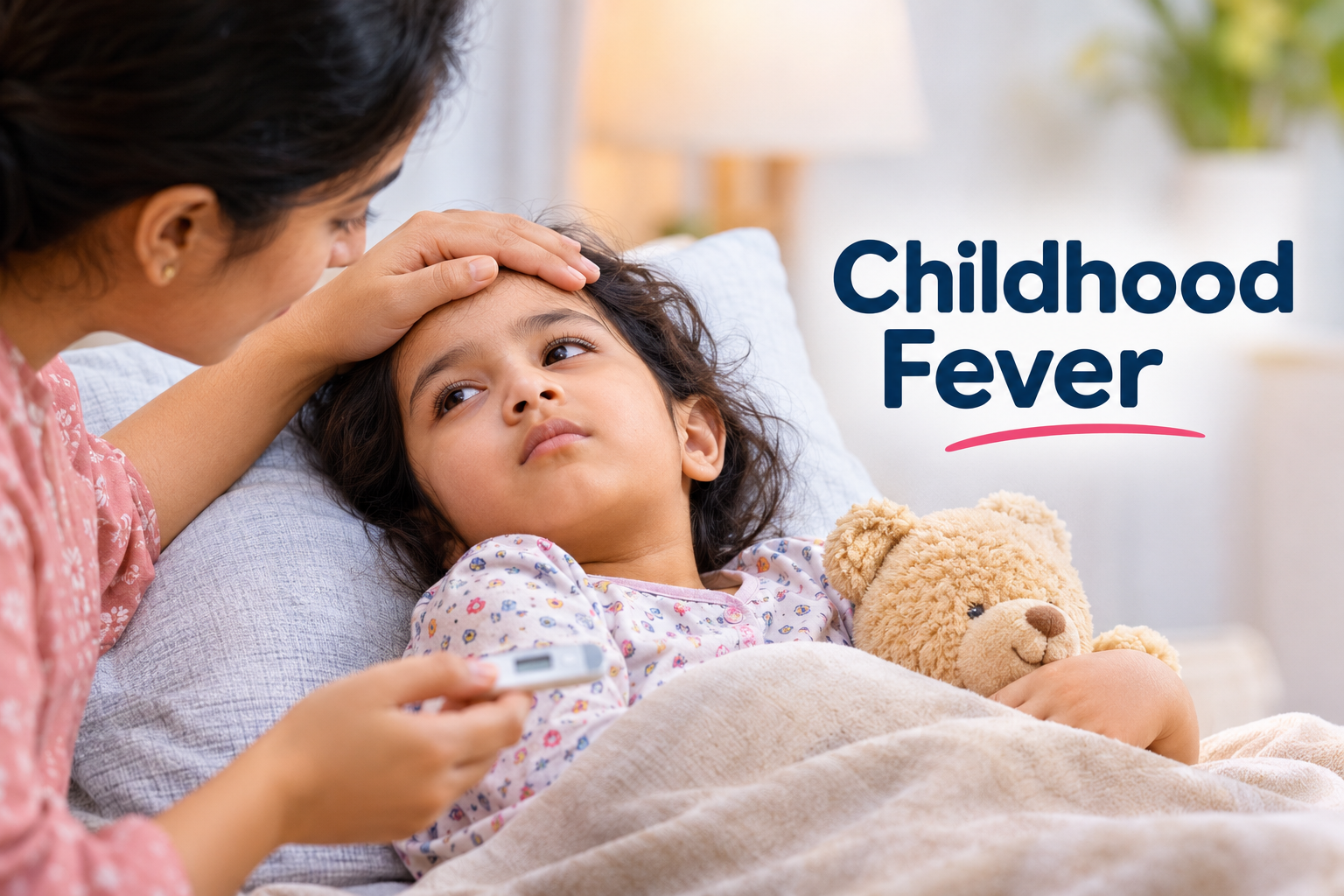
Few things alarm parents like a child who suddenly feels hot. Fever often arrives with tiredness, a weak appetite or general discomfort, and it is easy to fear the worst. In reality, it is frequently the immune system doing its job. When the body detects a virus, bacterium or other invader, it raises its temperature to help fight back.
Most fevers are short-lived and fade as the illness passes. Even so, a child’s age and accompanying symptoms can change how urgently a doctor should be involved. Understanding the causes, signs and right response helps parents choose between home care and a paediatric visit, which matters most for babies and toddlers. Samad Hospital recognises how much timely medical attention contributes to children’s well-being.
What Counts as a Fever
A fever is a temporary rise in body temperature, usually set off when the immune system responds to illness. Normal temperature is about 37°C (98.6°F), though it varies a little with the child, the time of day and how it is measured. A properly taken reading of 38°C (100.4°F) or higher is generally regarded as a fever.
Fever is a symptom, not a disease in itself. It signals that the body may be reacting to an infection or another condition. Children can develop it at any age, from infancy through adolescence. Most episodes come from ordinary viral infections, but a fever that persists or looks severe should never be brushed off.
What Causes Fever in Children
Many conditions can raise a child’s temperature, and finding the cause guides the right treatment.
- Viral infections: The most common cause. Colds, influenza and other respiratory viruses can bring fever along with a runny or blocked nose, cough, sore throat, body aches and tiredness. Uncomplicated cases usually improve with rest, fluids and supportive care.
- Bacterial infections: These may need antibiotics prescribed by a doctor. Examples include urinary tract infections, bacterial throat infections, pneumonia, skin infections and some ear infections. Never give antibiotics without medical advice, since they do not work on viruses and unnecessary use fuels antibiotic resistance.
- Ear infections: Common in young children, often after a cold. Look for ear pain, disturbed sleep, irritability, feeding difficulty in babies and tugging at the ear.
- Stomach infections: Fever may come with vomiting, diarrhoea and abdominal discomfort. Dehydration is a particular risk for infants and small children, so suitable fluids and attention to urine output are essential.
- After vaccination: A mild fever following an immunisation is usually a short-lived immune response. Seek advice if it is high, lasts long or comes with worrying symptoms.
Signs and Symptoms
Fever seldom comes alone. Some children stay playful despite a mild temperature, while others turn tired and uncomfortable. Common signs include:
- A warm forehead or body, with chills or shivering
- Sweating, headache and body pain
- Reduced appetite
- Irritability or unusual crying
- Extra sleepiness or trouble sleeping
Babies may feed poorly, fuss more than usual or become less active. A hand on the forehead is not a reliable test, so use a digital thermometer for an accurate reading.
When Should Parents Be Concerned?
Not every fever is an emergency. A child’s age, temperature, behaviour and other symptoms together determine how quickly care is needed.
Newborns and young infants. Infections can become serious quickly in very small babies, so extra caution applies.
- Under 3 months: A temperature of 38°C (100.4°F) or above needs immediate medical assessment, even if the baby looks well.
- 3 to 6 months: 39°C (102.2°F) or above calls for prompt medical advice.
- Older children: Seek assessment if the fever lasts, symptoms worsen or the child looks seriously unwell.
Parents searching for a Newborn Care Hospital in Kollam should prioritise one that offers proper newborn assessment and paediatric support, especially when a young baby has a fever.
Warning signs that need urgent care. Get help immediately if a child has:
- Difficulty breathing or very fast breathing
- Extreme drowsiness or trouble waking
- Seizures
- A stiff neck or severe headache
- A rash that does not fade when pressed
- Persistent vomiting
- Signs of severe dehydration
- Blue, pale or mottled skin
- Inability to drink or breastfeed
If a child looks seriously ill, do not wait for the fever to come down before seeking emergency care.
How Doctors Find the Cause
A paediatrician looks at the child’s symptoms, medical history and likely points of infection. Typical questions cover:
- When the fever started and how high it has been
- Whether there is cough, cold, vomiting or diarrhoea
- Whether the child is eating and drinking normally
- Any recent vaccination
- Changes in urination or behaviour
The examination usually checks the ears, throat, breathing, skin and hydration. Blood tests, urine tests or other investigations may be advised depending on the findings, but many children with fever need no tests at all. The decision rests on age, examination results and the suspected cause.
Treating Fever in Children
Treatment depends on the cause, the child’s age and how severe the symptoms are. The aims are to keep the child comfortable, prevent dehydration and treat any infection that is found.
- Fluids: Sweating and fast breathing increase fluid loss, so offer water regularly. Babies should continue breastfeeding or formula feeds. Children with vomiting or diarrhoea may need oral rehydration solution (ORS) as advised by a doctor.
- Fever medicine: A paediatrician may suggest paracetamol to ease discomfort. Give it according to the child’s age and weight, follow the recommended dose and timing, and avoid combining products that both contain paracetamol. Do not give aspirin to children unless a specialist prescribes it, and do not give ibuprofen to babies under six months without a doctor’s advice. These medicines improve comfort but do not cure the infection.
- Light clothing and rest: Dress the child in loose, lightweight clothes, skip heavy blankets, keep the room ventilated and let the child sleep until they feel better.
- Treating the cause: Bacterial infections may call for antibiotics after proper assessment, while viral infections generally need only supportive care.
At home, check the temperature with a digital thermometer, offer light meals, and watch urination, activity levels, cough, rash, vomiting and breathing. Note how long the fever lasts. Avoid cold-water baths, ice packs and alcohol rubs, which can cause distress and may be harmful.
Helping Prevent Infections
No parent can prevent every infection, but healthy routines lower the risk:
- Vaccinations: Follow the national immunisation schedule and your paediatrician’s advice.
- Hand hygiene: Wash hands before meals, after using the toilet and after outdoor play.
- Clean surroundings: Keep toys, feeding equipment and frequently touched surfaces clean.
- Nutrition and sleep: A balanced diet and enough rest support growth and immunity.
- Distance from illness: Keep children away from people with contagious infections where possible.
For newborns, wash your hands before handling the baby and limit visits from anyone who is unwell. A dependable Newborn Care Hospital in Kollam can also guide parents on newborn monitoring, feeding and preventive care.
Why Early Paediatric Care Matters
Children cannot always explain what they feel. Fever combined with unusual behaviour, poor feeding, breathing trouble or dehydration may point to a condition that needs attention. A timely consultation helps identify the cause, assess how the child is doing and decide whether tests or treatment are needed. Home remedies and internet advice are no substitute for professional assessment when symptoms are concerning, particularly for newborns, whose condition can change fast.
Samad Hospital stresses the value of recognising childhood health concerns and seeking proper medical guidance. Parents choosing a Newborn Care Hospital in Kollam should look for qualified professionals who can assess newborns and advise families on suitable care.
Conclusion
Fever is common in childhood and usually reflects an infection that improves with proper care. Understanding the causes, spotting warning signs and knowing when to call a doctor are the keys to protecting a child’s health.
Keep track of temperature, keep the child hydrated and rested, and avoid unnecessary medicines. A baby under three months with a fever needs immediate assessment, and serious symptoms at any age should never be ignored. With timely guidance and good care, most children recover comfortably.
Leave a Comment