
Azoospermia Treatment in Trivandrum | Treatment Options
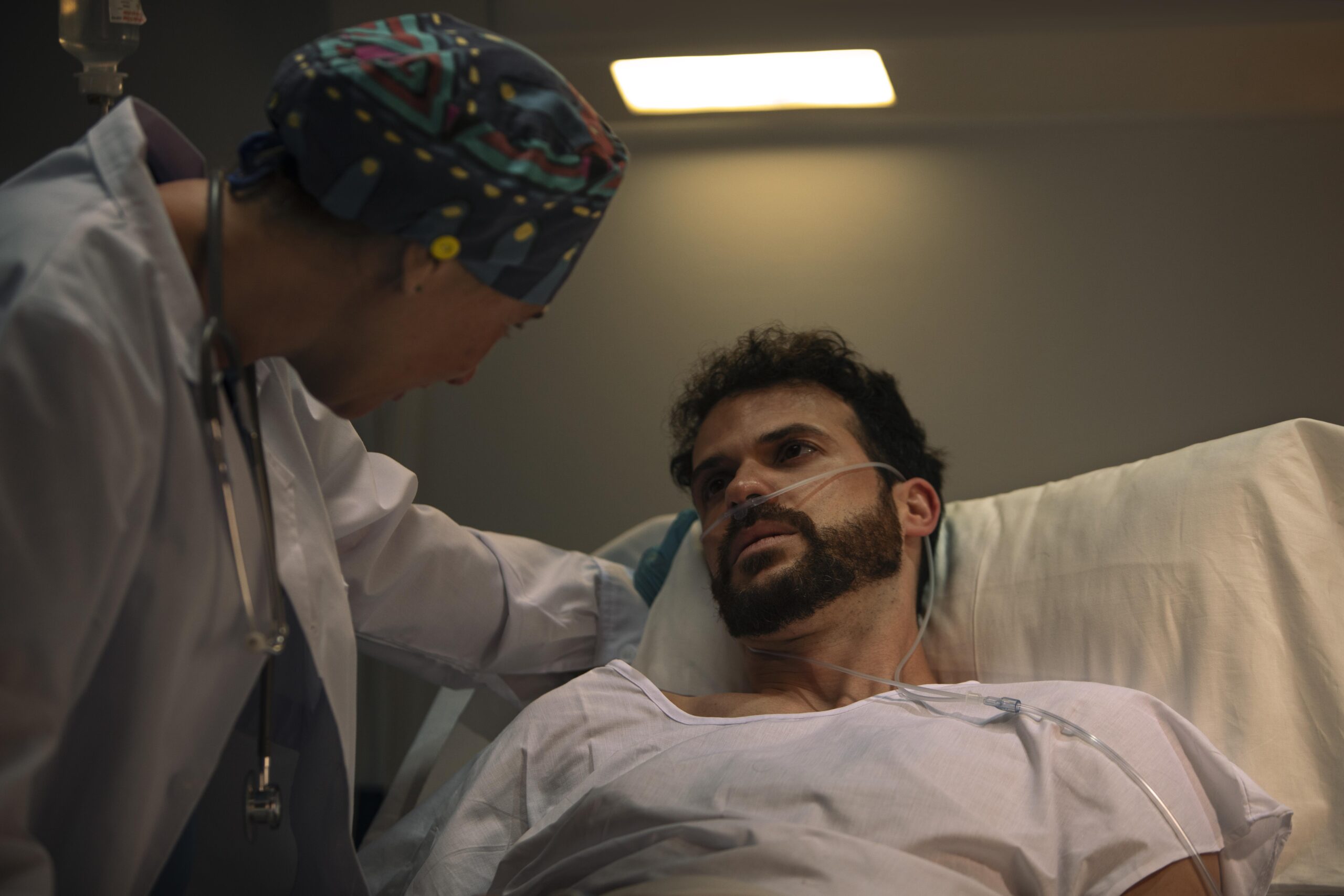
Azoospermia is a male fertility condition in which no sperm are found in the semen. It can be an important cause of difficulty conceiving, but a diagnosis of azoospermia does not always mean that biological fatherhood is impossible.
Modern male fertility care can identify why sperm are absent and determine whether sperm can be restored to the semen or retrieved directly from the reproductive system. Depending on the cause, treatment may include medicines, correction of a blockage, surgery, sperm retrieval, or assisted reproductive techniques such as IVF and ICSI.
If you are looking for azoospermia treatment in Trivandrum, the first and most important step is a detailed evaluation by an experienced andrologist or male reproductive specialist.
According to the American Urological Association and American Society for Reproductive Medicine, men with azoospermia should be evaluated to distinguish obstruction of the reproductive tract from impaired sperm production. The evaluation can include medical history, physical examination, semen analysis, hormone testing, and selected genetic tests.
What Is Azoospermia?
Azoospermia means that sperm are absent from the ejaculate, including after examination of the concentrated semen sample.
It is different from having a very low sperm count. In azoospermia, sperm cannot be detected in the semen sample.
Azoospermia can occur because:
- Sperm are not being produced adequately
- Sperm are produced but cannot enter the semen
- There is a blockage in the reproductive tract
- Hormonal signals required for sperm production are inadequate
- Genetic factors affect sperm production
- Certain medical treatments have affected the testicles
- Previous surgery or infection has caused an obstruction
Finding the underlying cause is essential because treatment can be very different for different types of azoospermia.
Types of Azoospermia
Azoospermia is broadly divided into two major categories.
Obstructive Azoospermia
In obstructive azoospermia, the testicles may produce sperm normally, but sperm cannot travel into the semen because of a blockage.
Possible causes include:
- Previous infections
- Previous surgery
- Vasectomy
- Congenital absence of the vas deferens
- Epididymal blockage
- Ejaculatory duct obstruction
- Injury to the reproductive tract
Because sperm production may be preserved, men with obstructive azoospermia may have good options for sperm retrieval or surgical correction.
Non-Obstructive Azoospermia
Non-obstructive azoospermia occurs when the testicles produce very little or no sperm.
Possible causes include:
- Hormonal disorders
- Genetic conditions
- Testicular damage
- Previous chemotherapy or radiation
- Certain infections
- Testicular failure
- Some unexplained conditions
Treatment can be more complex because the main challenge is identifying whether areas of sperm production remain within the testicles.
What Causes Azoospermia?
Several factors can contribute to the condition.
Hormonal Problems
Sperm production depends on communication between the brain, pituitary gland, and testicles.
Problems involving reproductive hormones can interfere with sperm production.
For men with azoospermia, doctors may assess hormones such as follicle-stimulating hormone (FSH) and testosterone. The AUA/ASRM guideline recommends hormonal evaluation in men with azoospermia and certain other clinical findings.
Some hormonal conditions may be treatable with appropriate medical therapy.
Genetic Factors
Genetic abnormalities can contribute to severe male infertility and azoospermia.
Depending on the clinical findings, doctors may recommend:
- Karyotype testing
- Y-chromosome microdeletion testing
- Other genetic evaluation when indicated
Genetic counselling may also be recommended to help couples understand the implications of test results.
Previous Medical Treatment
Certain cancer treatments, particularly chemotherapy and radiation, can affect sperm production.
Some men may still have sperm that can be retrieved after such treatment, depending on the extent of testicular damage.
Varicocele
A varicocele is an enlargement of veins around the testicle.
It can be associated with abnormal sperm production in some men. However, treatment decisions need to be individualized, particularly when azoospermia is present.
The AUA/ASRM guideline does not recommend routine varicocele surgery for azoospermic men solely on the basis of a palpable varicocele.
Previous Surgery or Infection
Surgery involving the reproductive system and certain infections may cause scarring or blockage.
In such cases, sperm may continue to be produced but may not reach the semen.
How Is Azoospermia Diagnosed?
A diagnosis should not usually be based on a single semen test alone.
The evaluation may include several steps.
1. Semen Analysis
Semen analysis is one of the most important tests.
A doctor may recommend repeating the test to confirm that sperm are consistently absent.
The laboratory may examine the sample carefully, including the concentrated semen pellet, to look for very rare sperm.
The AUA/ASRM guideline notes that semen parameters can vary between samples and recommends appropriate repeat testing when an initial test is abnormal.
2. Medical History
The doctor may ask about:
- Previous fertility
- Childhood illnesses
- Testicular problems
- Previous surgeries
- Infections
- Medications
- Testosterone use
- Chemotherapy or radiation
- Sexual and reproductive history
- Family history of infertility
This information can provide important clues about the cause.
3. Physical Examination
The specialist may examine the:
- Testicles
- Epididymis
- Vas deferens
- Scrotum
- Genital structures
Testicular size and the presence or absence of the vas deferens can help differentiate possible causes.
4. Hormone Testing
Blood tests may be used to measure reproductive hormones.
The results can help determine whether the problem is related to impaired sperm production or a hormonal condition.
5. Genetic Testing
Genetic testing may be recommended for selected men with azoospermia or very severe sperm abnormalities.
The AUA/ASRM guideline recommends karyotype and Y-chromosome microdeletion evaluation in specific patients with primary infertility and azoospermia or severe oligospermia when impaired sperm production is suspected.
Azoospermia Treatment Options
The appropriate azoospermia treatment in Trivandrum depends entirely on the underlying cause.
There is no single treatment that works for every patient.
Treating Hormonal Problems
Some men have hormonal disorders that interfere with sperm production.
When a specific hormonal cause is identified, appropriate medical treatment may stimulate or restore sperm production in selected patients.
This should be managed by a qualified specialist.
Importantly, men trying to conceive should not take testosterone without medical advice. External testosterone can suppress the body’s reproductive hormone signals and reduce or stop sperm production.
Treating Obstruction
When sperm production is normal but a blockage prevents sperm from reaching the semen, microsurgical reconstruction may sometimes restore sperm to the ejaculate.
For selected cases, procedures may address:
- Vas deferens obstruction
- Epididymal obstruction
- Ejaculatory duct obstruction
The choice depends on where the blockage is located and the patient’s individual circumstances.
Surgical Sperm Retrieval
If sperm cannot reach the semen because of an obstruction, sperm may sometimes be collected directly from the epididymis or testicle.
Techniques may include:
- PESA
- TESA
- TESE
- Micro-TESE
The choice depends on whether the problem is obstructive or related to sperm production.
The AUA/ASRM guideline states that sperm may be retrieved from the testis or epididymis in men with obstructive azoospermia.
Micro-TESE for Non-Obstructive Azoospermia
Microdissection testicular sperm extraction, commonly known as micro-TESE, is an advanced surgical sperm retrieval technique.
It is used particularly for selected men with non-obstructive azoospermia.
During the procedure, the surgeon examines testicular tissue using microsurgical techniques to identify areas that may contain sperm-producing tissue.
If viable sperm are found, they can potentially be used for ICSI.
The AUA/ASRM guideline recommends micro-TESE for men with non-obstructive azoospermia who undergo sperm retrieval.
However, sperm retrieval is not guaranteed. The likelihood of finding sperm depends on factors such as the underlying cause, genetic findings, testicular function, and previous treatment.
IVF and ICSI
When sperm are successfully retrieved, assisted reproductive treatment may provide an opportunity for conception.
Intracytoplasmic sperm injection, or ICSI, involves injecting a single sperm directly into a mature egg in a laboratory.
This is particularly useful when only a small number of sperm are available.
Retrieved sperm can be used either fresh or after freezing in appropriate circumstances. The AUA/ASRM guideline recognizes surgical sperm retrieval followed by ICSI as an important treatment option for selected men with severe male-factor infertility.
Can Azoospermia Be Cured?
The answer depends on the cause.
Some forms may be treatable or potentially reversible.
For example, if azoospermia is caused by a correctable hormonal disorder or a reproductive tract obstruction, treating the underlying problem may restore sperm to the semen.
In other cases, sperm production may remain severely impaired. Even then, sperm retrieval may be possible for some men.
Therefore, azoospermia should not automatically be considered permanent infertility.
A specialist evaluation is necessary to understand the individual situation.
Is Azoospermia Treatment Painful?
The level of discomfort depends on the treatment.
Diagnostic tests such as blood tests and semen analysis are generally straightforward.
Surgical procedures such as sperm retrieval or reconstruction require appropriate anesthesia and post-procedure care.
Patients may experience temporary discomfort, swelling, or tenderness following certain procedures.
The treating specialist will explain the expected recovery and warning signs before the procedure.
How Long Does Treatment Take?
The timeline depends on the cause and the selected treatment.
Some patients may first need several weeks or months of medical treatment before sperm production is reassessed.
Surgical correction of an obstruction may involve a recovery period followed by semen testing.
Sperm retrieval combined with IVF and ICSI follows a fertility treatment schedule that involves coordination between the male fertility specialist and reproductive medicine team.
A specialist can provide a more accurate timeline after completing the diagnostic evaluation.
What Factors Affect Treatment Success?
Several factors can influence outcomes.
These may include:
- Age
- Cause of azoospermia
- Testicular function
- Hormone levels
- Genetic findings
- Previous medical treatment
- Presence of reproductive tract obstruction
- Female partner’s reproductive health
- Quality of the available sperm
- Experience of the fertility and andrology team
It is important to avoid guarantees because fertility outcomes differ between individuals.
Why Choose Specialist Andrology Care?
Azoospermia can have several different causes, and treatment should be based on an accurate diagnosis.
An experienced andrology team can coordinate:
- Semen analysis
- Hormone evaluation
- Physical examination
- Genetic assessment
- Sperm retrieval
- Microsurgical treatment
- Fertility counselling
- IVF and ICSI coordination
A step-by-step approach can help prevent unnecessary procedures and identify options that may preserve the possibility of biological parenthood.
Azoospermia Treatment at Samad Hospital
Men looking for azoospermia treatment in Trivandrum can consider Samad Hospital, described as the Best Andrology Hospital in Trivandrum.
The hospital’s andrology services focus on male reproductive health and fertility evaluation. A specialist consultation can help determine whether azoospermia is caused by an obstruction, impaired sperm production, hormonal factors, or another condition.
Patients should discuss their semen reports, previous treatments, medical history, and fertility goals with the andrology team before choosing a treatment.
A personalized evaluation is important because the appropriate treatment for obstructive azoospermia can be very different from the treatment for non-obstructive azoospermia.
Lifestyle and Male Reproductive Health
Lifestyle changes cannot correct every cause of azoospermia, but healthy habits can support overall reproductive health.
Men should consider:
- Eating a balanced diet
- Maintaining a healthy weight
- Exercising regularly
- Avoiding smoking
- Avoiding recreational drugs
- Limiting excessive alcohol use
- Getting adequate sleep
- Managing stress
- Avoiding unnecessary heat exposure
- Managing diabetes and other health conditions
Men should also inform their doctor about testosterone use or supplements.
Self-medication should be avoided, particularly when fertility is the goal.
Questions to Ask Your Andrologist
Before beginning treatment, consider asking:
- What is causing my azoospermia?
- Is it obstructive or non-obstructive?
- Do I need another semen analysis?
- Which hormone tests are required?
- Do I need genetic testing?
- Can the obstruction be surgically corrected?
- Is sperm retrieval possible?
- Would micro-TESE be appropriate for me?
- Will retrieved sperm be used with ICSI?
- What are the possible risks and recovery time?
- What other options are available if sperm cannot be retrieved?
- How will my partner’s fertility evaluation affect our treatment plan?
These questions can help you understand your diagnosis and make informed decisions.
Conclusion
Azoospermia can be a challenging diagnosis, but modern male fertility care offers several treatment options. The first step is to determine why sperm are absent from the semen.
Obstructive azoospermia may sometimes be treated through microsurgical reconstruction or sperm retrieval. For selected men with non-obstructive azoospermia, micro-TESE may be used to search for sperm within the testicular tissue. Retrieved sperm can potentially be used with ICSI as part of assisted reproductive treatment.
If you are considering azoospermia treatment in Trivandrum, an evaluation by an experienced andrologist can help identify the cause and explain your options.
Treatment should always be personalized. No single procedure is appropriate for every patient, and sperm retrieval or pregnancy cannot be guaranteed.
Early evaluation of both partners can help the fertility team develop a treatment plan based on the couple’s medical needs, reproductive goals, and available options.
FAQS
1. What is azoospermia?
Azoospermia is a condition in which no sperm are detected in the ejaculate, including after appropriate examination of the concentrated semen sample.
2. Can men with azoospermia have children?
Some men with azoospermia can father a biological child. This depends on the cause and whether viable sperm can be found in the reproductive system or testicular tissue.
3. What is the difference between obstructive and non-obstructive azoospermia?
Obstructive azoospermia occurs when sperm production may be preserved but sperm cannot travel into the semen. Non-obstructive azoospermia occurs when sperm production itself is severely impaired.
4. Can medicines treat azoospermia?
Medicines may help selected men when a hormonal problem is responsible for impaired sperm production. They are not effective for every type of azoospermia.
5. Is micro-TESE suitable for everyone?
No. Micro-TESE is mainly considered for selected men with non-obstructive azoospermia. A specialist must assess the cause and other clinical factors before recommending it.
Leave a Comment