
Laparoscopic Colorectal Surgery in Trivandrum: Recovery
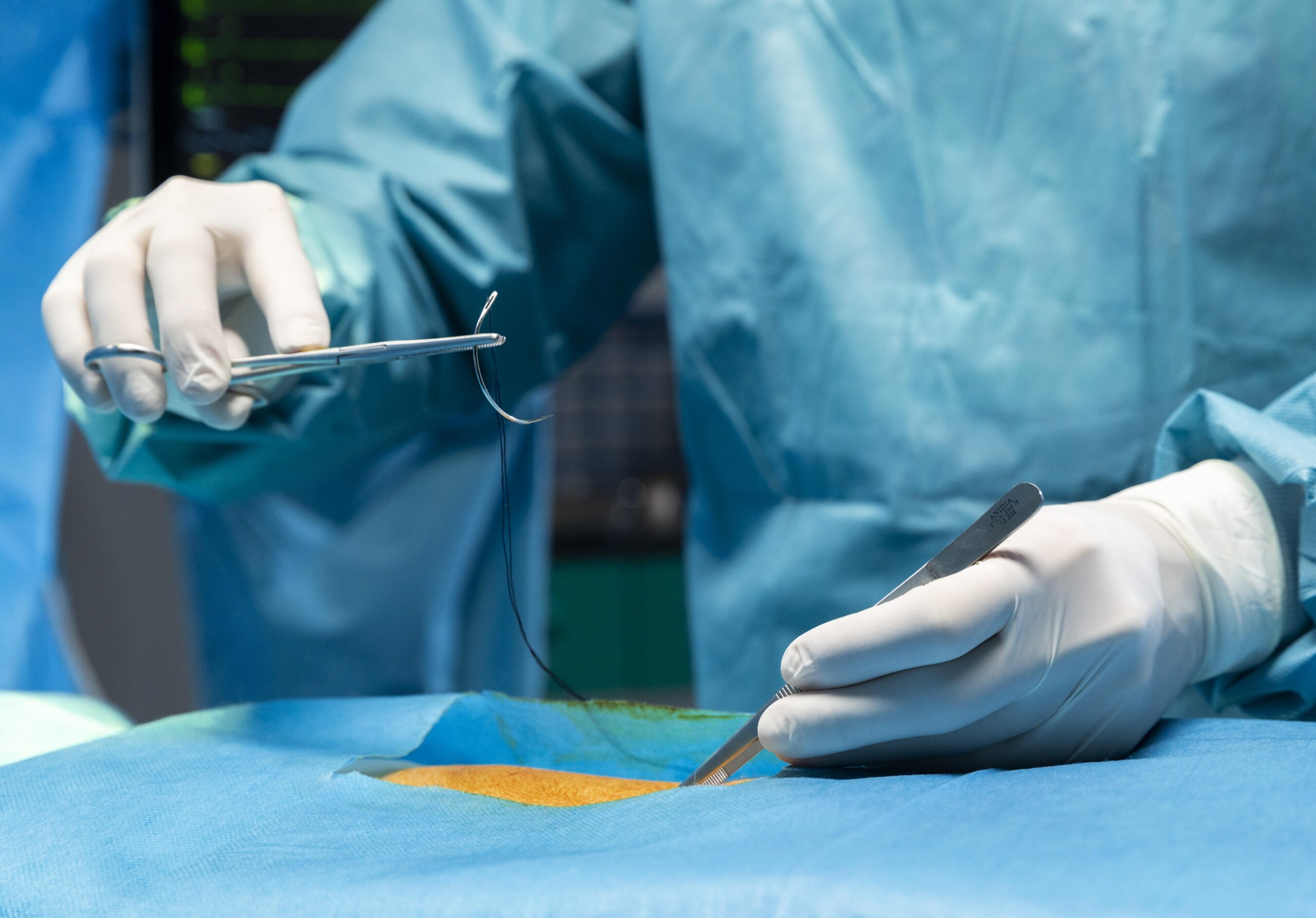
Colorectal diseases can affect the large intestine, rectum, and anus and may cause symptoms such as abdominal pain, changes in bowel habits, rectal bleeding, constipation, diarrhea, or unexplained weight loss. While some colorectal conditions can be managed with medicines and lifestyle changes, certain conditions may require surgery.
Laparoscopic colorectal surgery is a minimally invasive surgical approach used for selected conditions affecting the colon and rectum. Instead of making one large abdominal incision, the surgeon generally uses several small incisions, a camera, and specialized instruments.
People looking for Laparoscopic colorectal surgery in Trivandrum should understand that not every colorectal condition requires surgery, and laparoscopic treatment may not be suitable for every patient. A colorectal or general surgeon will assess the condition, medical history, imaging results, and overall health before recommending a treatment plan.
What Is Colorectal Surgery?
Colorectal surgery refers to surgical procedures involving the colon, rectum, and sometimes nearby parts of the digestive system.
The colon and rectum form an important part of the large intestine. They help absorb water and electrolytes and store and eliminate stool.
Surgery may be recommended for conditions that cannot be effectively treated with medication or other non-surgical approaches.
Some conditions that may require colorectal surgery include:
- Colorectal cancer
- Diverticular disease
- Complicated inflammatory bowel disease
- Bowel obstruction
- Certain large or difficult-to-remove polyps
- Severe bowel conditions
- Some benign colorectal growths
- Rectal prolapse in selected cases
The exact procedure depends on the disease and the portion of the bowel that is affected.
What Is Laparoscopic Colorectal Surgery?
Laparoscopic colorectal surgery is a minimally invasive approach to operating on the colon or rectum.
During the procedure, the surgeon usually makes several small incisions in the abdomen. A laparoscope, which is a thin camera, is inserted through one incision. The camera provides an enlarged view of the surgical area on a monitor.
Specialized instruments are inserted through the other small incisions.
The surgeon may remove the diseased portion of the bowel and reconnect the healthy sections when appropriate. In some cases, a temporary or permanent stoma may be necessary.
The specific surgical technique depends on the patient’s condition.
Common Laparoscopic Colorectal Procedures
Different operations may be performed using a laparoscopic approach.
Colectomy
A colectomy involves removing part or all of the colon. The type of colectomy depends on the location and extent of the disease.
Sigmoid Colectomy
This involves removing part of the sigmoid colon. It may be considered for selected cases of diverticular disease, cancer, or other conditions.
Right or Left Hemicolectomy
A section of the right or left side of the colon may be removed depending on where the disease is located.
Low Anterior Resection
This procedure may be used for certain rectal cancers. The diseased portion of the rectum is removed while preserving the anal sphincter when medically and technically appropriate.
Proctectomy
A proctectomy involves removing part or all of the rectum. The exact operation depends on the disease and its location.
Not every operation is suitable for laparoscopic surgery, and the surgical approach should be determined by an experienced specialist.
Conditions That May Require Colorectal Surgery
Colorectal Cancer
Surgery is an important treatment for many localized colorectal cancers. Depending on the stage and location of the cancer, surgery may be combined with chemotherapy, radiation therapy, targeted therapy, or other treatments.
Diverticular Disease
Diverticula are small pouches that can develop in the colon. Most people with diverticulosis do not require surgery. However, complicated or recurrent diverticular disease may sometimes require an operation.
Inflammatory Bowel Disease
Conditions such as Crohn’s disease and ulcerative colitis may occasionally require surgery when medicines are not effective or complications develop.
Bowel Obstruction
A bowel obstruction can prevent the normal movement of intestinal contents. Some obstructions require urgent surgical treatment.
Large Polyps
Some large or difficult-to-remove colorectal polyps may require surgical removal if they cannot be safely removed through an endoscopic procedure.
Benefits of Laparoscopic Surgery
One reason patients consider Laparoscopic colorectal surgery in Trivandrum is the minimally invasive nature of the approach.
Potential benefits compared with traditional open surgery may include:
- Smaller abdominal incisions
- Less damage to surrounding tissues
- Reduced postoperative pain in many patients
- Smaller scars
- Lower risk of some wound complications
- Shorter hospital stay in appropriate cases
- Earlier return to normal activities for many patients
However, outcomes vary depending on the disease, patient’s health, and complexity of the surgery.
Is Laparoscopic Colorectal Surgery Suitable for Everyone?
No.
The suitability of laparoscopic surgery depends on several factors, including:
- Type of colorectal disease
- Location and size of the affected area
- Stage of cancer, when applicable
- Previous abdominal surgeries
- Overall health
- Obesity and other medical conditions
- Presence of infection or severe inflammation
- Complexity of the operation
In some cases, a surgeon may need to convert a laparoscopic procedure to open surgery to complete the operation safely. This is a surgical decision made in the patient’s best interest.
How Is the Surgery Performed?
Before surgery, the patient receives anesthesia, usually general anesthesia.
The surgeon makes small abdominal incisions and inserts the laparoscope and surgical instruments.
The affected section of the bowel is identified and removed when required. The healthy ends of the bowel may then be reconnected.
In selected situations, the surgeon may create a stoma. A stoma allows stool to leave the body through an opening in the abdominal wall into an external bag.
Whether a stoma is required depends on the disease, operation, and patient’s individual circumstances.
Preparing for Colorectal Surgery
Your surgical team will provide specific instructions before the procedure.
Preparation may include:
- Medical examination
- Blood tests
- Imaging studies
- Colonoscopy or other investigations
- Anesthesia assessment
- Bowel preparation
- Dietary instructions
- Medication review
Tell your doctor about all medicines and supplements you take, including blood thinners and over-the-counter medicines.
Follow the fasting and bowel-preparation instructions carefully.
Recovery After Laparoscopic Colorectal Surgery
Recovery varies from person to person.
After surgery, the healthcare team will monitor bowel function, pain, wound healing, hydration, and overall recovery.
Patients may gradually progress from liquids to solid foods as bowel function returns.
Early movement is generally encouraged when medically appropriate because it can support recovery and reduce the risk of certain complications.
Your doctor may recommend:
- Walking regularly
- Taking prescribed medicines
- Keeping incisions clean
- Following dietary instructions
- Avoiding heavy lifting temporarily
- Attending follow-up appointments
The exact recovery timeline depends on the type and complexity of the operation.
Possible Risks and Complications
Although laparoscopic surgery is minimally invasive, it is still major surgery in many cases and carries potential risks.
Possible complications include:
- Bleeding
- Infection
- Blood clots
- Injury to nearby organs
- Leakage from a bowel connection
- Bowel obstruction
- Wound problems
- Anesthesia-related complications
- Need for further surgery
Your surgeon will discuss the potential benefits and risks before the operation.
When Should You Seek Medical Attention After Surgery?
Contact your healthcare team promptly if you develop:
- High or persistent fever
- Increasing abdominal pain
- Persistent vomiting
- Severe abdominal swelling
- Redness, swelling, or discharge from an incision
- Heavy bleeding
- Difficulty breathing
- Chest pain
- Sudden leg swelling or pain
- Significant changes in bowel function
Emergency symptoms such as severe breathing difficulty, chest pain, or heavy bleeding require immediate medical attention.
Importance of Follow-Up Care
Follow-up appointments are an important part of recovery.
Your surgeon may assess:
- Wound healing
- Bowel function
- Nutrition
- Pain
- Recovery progress
- Pathology results
For patients undergoing cancer surgery, additional oncology treatment and surveillance may be recommended depending on the pathology and cancer stage.
How to Choose a Hospital for Colorectal Surgery
Patients searching for Laparoscopic colorectal surgery in Trivandrum should consider a hospital with experienced surgeons, appropriate laparoscopic equipment, anesthesia support, diagnostic facilities, and postoperative care.
It is also important to choose a team that can manage both routine and complex surgical situations.
For laparoscopic and surgical care in Trivandrum, you can learn more about Samad Hospital.
Questions to Ask Your Surgeon
Before undergoing colorectal surgery, consider asking:
- What condition is causing my symptoms?
- Do I definitely need surgery?
- Can my condition be treated without surgery?
- Is laparoscopic surgery appropriate for me?
- Which part of my bowel will be removed?
- Will I need a stoma?
- What are the possible risks?
- How long will recovery take?
- When can I return to work?
- What foods should I eat after surgery?
- Will I need additional treatment after surgery?
Having these discussions can help you understand your treatment plan.
Conclusion
Laparoscopic colorectal surgery in Trivandrum can be an effective minimally invasive approach for selected conditions affecting the colon and rectum. It uses small incisions, a camera, and specialized instruments to perform complex bowel operations.
The approach may offer benefits such as smaller incisions, less postoperative discomfort, and faster recovery for many suitable patients. However, laparoscopic surgery is not appropriate for every colorectal condition or every patient.
A proper diagnosis and detailed evaluation are essential before choosing surgery. The surgical team will consider the disease, its location and severity, overall health, previous treatments, and other factors before recommending the best approach.
If you have persistent abdominal pain, changes in bowel habits, rectal bleeding, unexplained weight loss, or other concerning digestive symptoms, seek medical evaluation. Early diagnosis can help identify the cause and allow appropriate treatment.
With proper surgical planning, experienced care, and appropriate follow-up, many patients can recover well and return to their normal activities after colorectal surgery.
FAQS
1. What is laparoscopic colorectal surgery?
It is a minimally invasive surgical approach used to treat selected conditions affecting the colon and rectum. The surgeon generally operates through several small abdominal incisions using a camera and specialized instruments.
2. What conditions can require colorectal surgery?
Colorectal cancer, complicated diverticular disease, certain inflammatory bowel conditions, bowel obstruction, selected large polyps, and other colorectal problems may require surgery.
3. Is laparoscopic colorectal surgery safe?
Laparoscopic colorectal surgery is an established surgical approach, but every operation has risks. Your surgeon will evaluate your individual health and explain the potential complications.
4. Is laparoscopic surgery better than open surgery?
Laparoscopic surgery may provide smaller incisions and potentially faster recovery in suitable patients. However, open surgery may be safer or more appropriate for certain complex cases.
5. Will I need a stoma after colorectal surgery?
Not everyone needs a stoma. The need depends on the disease, the location of the bowel being operated on, and the type of reconstruction possible.
Leave a Comment