
Minimally Invasive Surgery for Faster Recovery:Expert Care
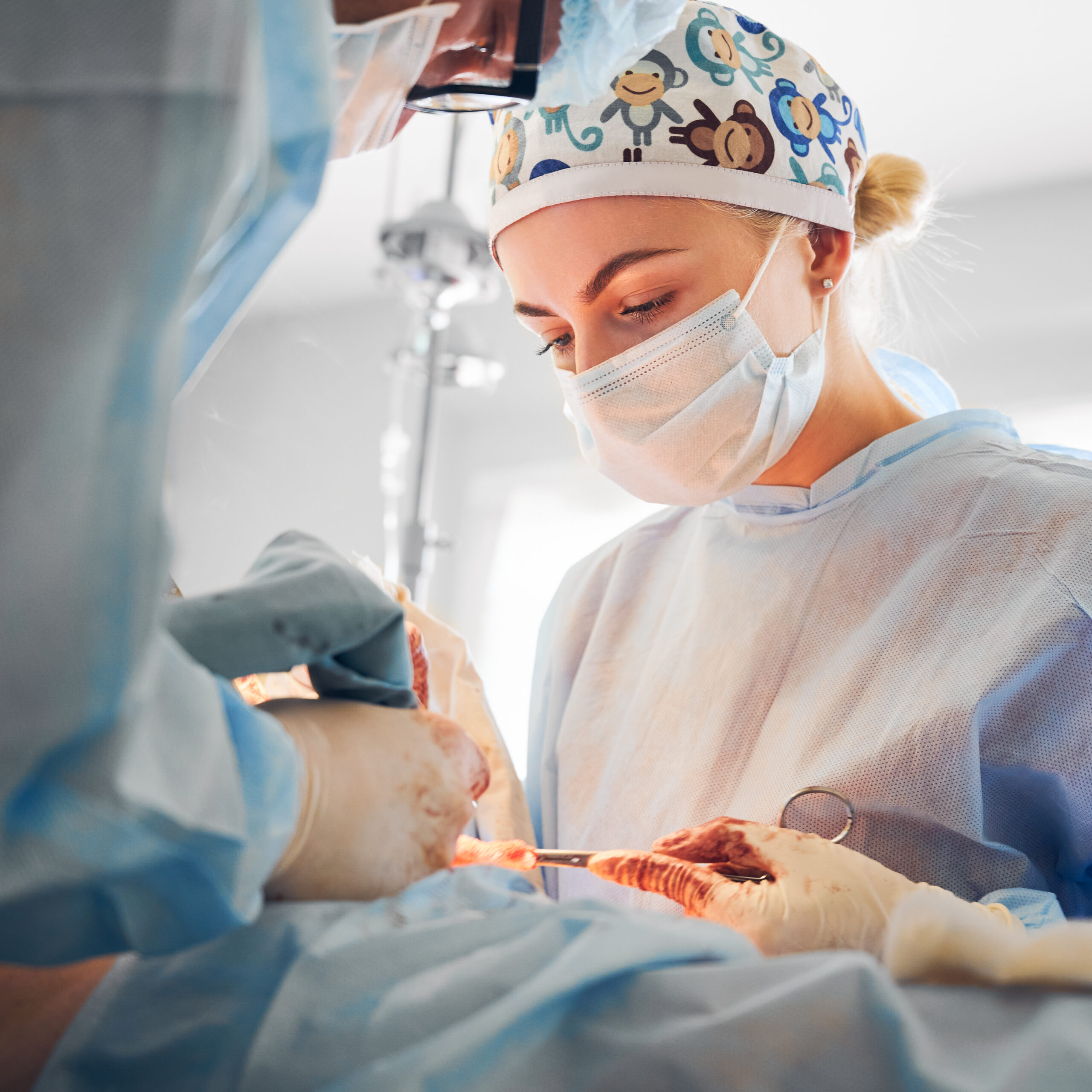
Modern medicine has changed the way surgeries are performed. Today, many operations no longer require large cuts or long hospital stays. Instead, doctors use advanced techniques that allow patients to heal more quickly and return to their normal lives sooner. One of the biggest advancements in surgery is Minimally invasive surgery for faster recovery.
This approach has become popular because it offers many benefits compared to traditional open surgery. Patients often experience less pain, smaller scars, fewer complications, and a quicker recovery. Whether it is for gallbladder problems, hernia repair, appendix removal, or gynecological procedures, minimally invasive surgery has become a preferred option for many people.
In this article, we will explain what minimally invasive surgery is, how it works, its advantages, common procedures, and why choosing an experienced hospital is important.
What Is Minimally Invasive Surgery?
Minimally invasive surgery for faster recovery is a surgical technique where doctors perform operations using very small cuts instead of one large incision. Special instruments and a tiny camera, called a laparoscope, are inserted through these small openings.
The camera provides a clear, magnified view of the internal organs, allowing surgeons to perform the procedure with high precision.
Because the cuts are much smaller than those used in traditional surgery, patients usually recover faster and experience less discomfort.
How Does It Work?
During the procedure, the surgeon makes small incisions, usually less than one centimeter long. A laparoscope with a high-definition camera is inserted through one incision, while other specialized surgical instruments are inserted through the remaining openings.
The images from the camera are displayed on a monitor, helping the surgeon perform the operation accurately without making a large cut.
After the procedure is complete, the small incisions are closed with stitches or surgical glue.
Benefits of Minimally Invasive Surgery
There are many reasons why patients and doctors prefer Minimally invasive surgery for faster recovery.
1. Smaller Incisions
Small cuts mean less damage to the surrounding tissues, resulting in minimal scarring after healing.
2. Less Pain
Patients generally experience much less pain after surgery because the muscles and tissues are disturbed less.
3. Faster Recovery
One of the biggest advantages is the shorter recovery period. Many patients return to work and daily activities much earlier than with traditional surgery.
4. Reduced Blood Loss
Smaller incisions usually lead to less bleeding during the procedure.
5. Lower Risk of Infection
Since the wounds are smaller, the chances of infection are often lower compared to open surgery.
6. Shorter Hospital Stay
Many minimally invasive procedures require only one or two days in the hospital. Some patients can even go home the same day.
7. Better Cosmetic Results
Smaller scars are less noticeable, making this technique especially beneficial for younger patients and those concerned about appearance.
Common Procedures Performed Using Minimally Invasive Surgery
Many different surgeries can now be performed using minimally invasive techniques.
These include:
- Gallbladder removal
- Hernia repair
- Appendix removal
- Weight-loss surgery
- Gynecological surgeries
- Colon surgery
- Kidney procedures
- Certain liver surgeries
Your surgeon will determine whether this method is suitable based on your medical condition and overall health.
Who Can Benefit?
Minimally invasive surgery for faster recovery is suitable for many patients, including those who:
- Need elective surgery
- Want a shorter recovery period
- Prefer smaller scars
- Have conditions that can safely be treated laparoscopically
- Want to reduce postoperative discomfort
However, not every patient is a candidate. Some complex medical conditions may still require traditional open surgery.
Recovery After Surgery
Recovery varies depending on the type of surgery performed.
Most patients can expect:
- Mild discomfort for a few days
- Early walking within hours after surgery
- Short hospital stay
- Return to light activities within one to two weeks
- Full recovery in a few weeks
Doctors usually recommend following post-operative instructions carefully, including taking medications as prescribed, avoiding heavy lifting, eating healthy meals, and attending follow-up appointments.
Are There Any Risks?
Like any surgery, minimally invasive procedures also carry some risks.
Possible complications include:
- Bleeding
- Infection
- Injury to nearby organs
- Blood clots
- Reactions to anesthesia
Fortunately, serious complications are uncommon when the procedure is performed by experienced surgeons in a well-equipped hospital.
Preparing for Surgery
Proper preparation helps ensure a successful operation.
Your healthcare team may advise you to:
- Undergo blood tests and imaging scans
- Stop certain medications if necessary
- Avoid eating or drinking before surgery
- Inform your doctor about allergies
- Arrange transportation after discharge
Following these instructions helps reduce surgical risks and supports a smooth recovery.
Choosing the Right Hospital Matters
Successful surgery depends not only on the technique but also on the experience of the surgical team.
A hospital with skilled laparoscopic surgeons, modern equipment, advanced operating theatres, and comprehensive post-operative care can significantly improve patient outcomes.
If you are looking for expert surgical care, consider <a href=”https://www.samadhospital.com/” target=”_blank”>Samad Hospital, the Best Laparoscopic Surgery Hospital in Trivandrum</a>. The hospital offers advanced laparoscopic procedures performed by experienced surgeons using modern technology while focusing on patient safety, comfort, and faster recovery.
Tips for Faster Recovery After Surgery
Even though minimally invasive surgery allows quicker healing, patients should actively participate in their recovery.
Some useful tips include:
- Follow your doctor’s advice carefully.
- Take medications exactly as prescribed.
- Drink enough water.
- Eat a balanced, protein-rich diet.
- Walk regularly as recommended.
- Avoid smoking and alcohol.
- Keep surgical wounds clean.
- Attend all follow-up visits.
These simple steps can help you recover safely and reduce the risk of complications.
Why More Patients Are Choosing Minimally Invasive Surgery
Healthcare has advanced tremendously over the last few decades. More hospitals now offer minimally invasive procedures because they provide better patient experiences and improved outcomes.
Patients appreciate:
- Less pain
- Faster return to work
- Smaller scars
- Reduced hospital expenses due to shorter stays
- Lower complication rates
- Improved quality of life after surgery
As surgical technology continues to improve, even more procedures are expected to become minimally invasive in the future.
Conclusion
Minimally invasive surgery for faster recovery has transformed modern surgical care by making operations safer, less painful, and more efficient. With smaller incisions, reduced blood loss, quicker healing, and shorter hospital stays, it offers significant advantages over traditional open surgery for many patients.
However, the success of any surgery depends on proper diagnosis, experienced surgeons, advanced medical technology, and quality post-operative care. If you are considering laparoscopic surgery, choosing a trusted healthcare provider is essential.
At Samad Hospital, patients receive expert evaluation, advanced surgical treatment, and compassionate care designed to support faster recovery and better long-term health outcomes.
FAQs
1. What is minimally invasive surgery?
It is a surgical technique that uses small incisions, specialized instruments, and a camera to perform operations with less tissue damage than traditional surgery.
2. Is minimally invasive surgery safer than open surgery?
For many procedures, it is considered safe and offers benefits such as less pain, shorter hospital stays, and quicker recovery. However, suitability depends on the patient’s condition.
3. How long does recovery take after minimally invasive surgery?
Recovery varies by procedure, but many patients return to normal daily activities within one to three weeks.
4. Will I have visible scars?
The incisions are very small, so the scars are usually minimal and fade over time.
5. Which conditions can be treated using minimally invasive surgery?
Common conditions include gallstones, hernias, appendicitis, certain gynecological disorders, obesity, and some gastrointestinal conditions.
Leave a Comment