
What to Expect After Laparoscopic Surgery: Healing Guide
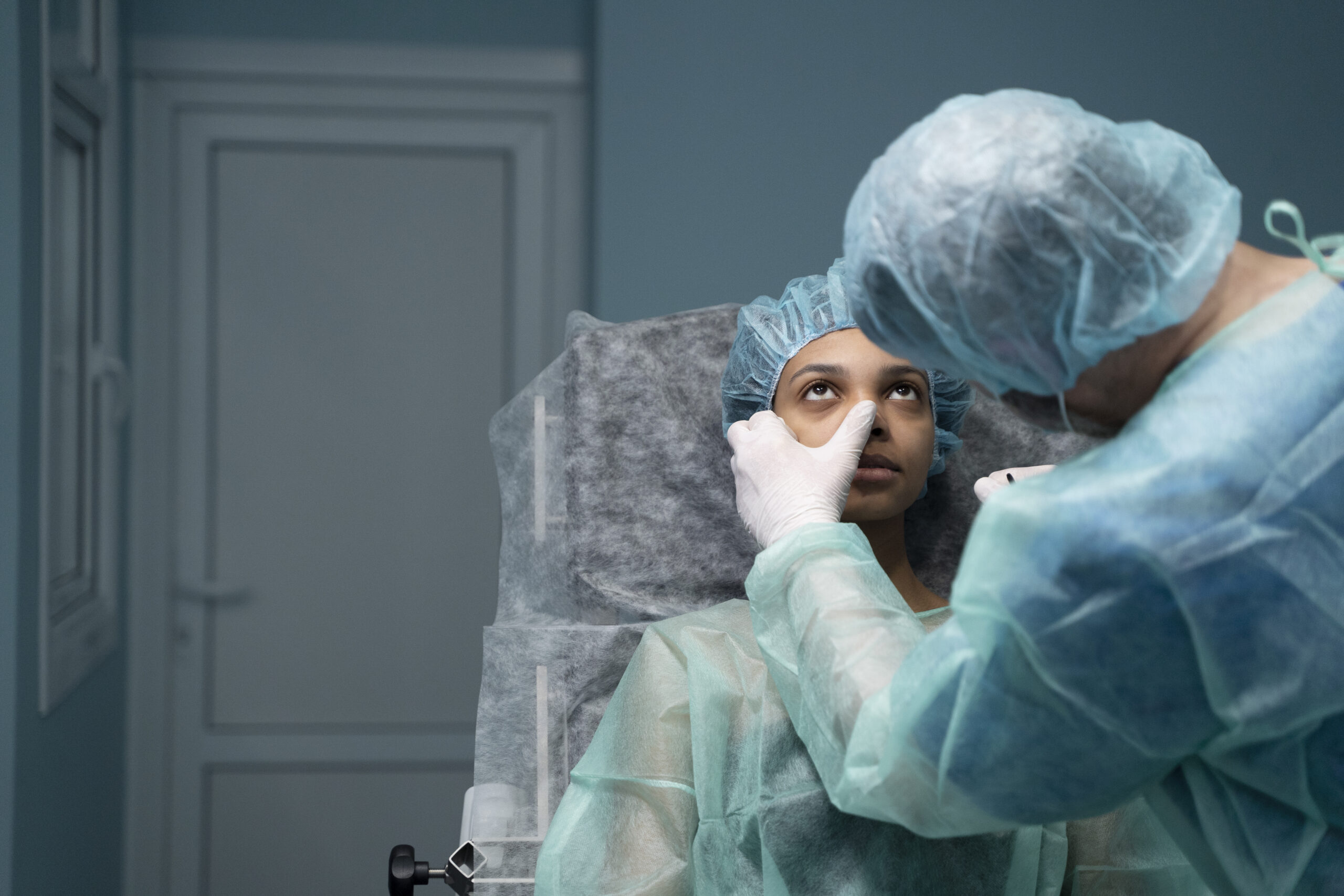
Laparoscopic surgery is one of the most commonly performed minimally invasive surgical techniques today. It is used to treat many conditions, including gallbladder stones, hernia, appendix problems, gynecological disorders, colorectal diseases, and endometriosis. Instead of one large incision, surgeons make a few small cuts and use a camera and specialized instruments to perform the operation.
Many patients choose this surgical approach because it often leads to smaller scars, less pain, and quicker recovery compared to traditional open surgery. However, every surgery is different, and healing depends on your overall health and the type of procedure performed.
If you are wondering What to expect after laparoscopic surgery, this guide explains the recovery process, common symptoms, wound care, diet, physical activity, and warning signs in simple English.
What Happens Immediately After Surgery?
After your operation, you will be moved to the recovery room. Nurses and doctors will monitor your blood pressure, heart rate, breathing, and oxygen levels until you wake up fully from anesthesia.
It is normal to experience:
- Sleepiness
- Mild nausea
- Dry mouth
- Abdominal discomfort
- Soreness near the incision sites
Most patients recover from anesthesia within a few hours, although tiredness may continue for the rest of the day.
Common Symptoms During Recovery
Understanding What to expect after laparoscopic surgery helps reduce anxiety because many early symptoms are temporary.
Mild Pain Around the Incisions
The small cuts made during surgery may feel sore for several days. Your doctor will prescribe pain medicine if needed.
Shoulder Pain
Many patients are surprised by shoulder pain after laparoscopy. This happens because the carbon dioxide gas used during surgery can temporarily irritate the diaphragm. The discomfort usually improves within a few days.
Bloating
Gas trapped inside the abdomen may cause bloating or a feeling of fullness. Gentle walking often helps relieve this discomfort.
Fatigue
Feeling tired is one of the most common symptoms after surgery. Your body uses extra energy for healing, so getting enough rest is important.
Recovery Timeline
Every patient heals differently, but a general recovery timeline may look like this.
| Time | What You May Experience |
| First 24 hours | Sleepiness, mild pain, nausea, bloating |
| Days 2–3 | Walking becomes easier, appetite improves |
| Week 1 | Incisions begin healing, discomfort decreases |
| Weeks 2–4 | Gradual return to routine activities |
| 4–6 weeks | Recovery after many major laparoscopic procedures continues |
Your surgeon will provide a recovery plan based on your specific operation.
Caring for Your Surgical Wounds
Proper wound care is essential during recovery.
Follow these simple tips:
- Keep the incision area clean and dry.
- Wash your hands before touching the wound.
- Change dressings only if instructed.
- Avoid applying creams or powders unless prescribed.
- Wear loose, comfortable clothing.
Contact your doctor if you notice increasing redness, swelling, pus, or severe pain around the incision.
What Should You Eat After Surgery?
A healthy diet supports healing and helps prevent constipation.
Start Slowly
After surgery, you may begin with:
- Water
- Clear fluids
- Soup
- Soft foods
Your doctor will gradually allow a normal diet depending on the procedure.
Choose Nutritious Foods
Good recovery foods include:
- Eggs
- Fish
- Chicken
- Lentils
- Fruits
- Vegetables
- Whole grains
- Yogurt
Protein helps repair tissues, while vitamins and minerals support wound healing.
Stay Hydrated
Drink enough water throughout the day unless your doctor has advised fluid restriction.
Preventing Constipation
Constipation is common after surgery because of anesthesia, pain medicines, and reduced movement.
To reduce the risk:
- Drink plenty of fluids.
- Eat fiber-rich foods.
- Walk regularly.
- Take stool softeners only if prescribed.
Avoid excessive straining during bowel movements because it may increase discomfort.
Walking and Physical Activity
One of the best ways to improve recovery is gentle movement.
Walking helps:
- Improve blood circulation
- Reduce gas pain
- Prevent blood clots
- Improve bowel function
- Increase energy gradually
Start with short walks inside your home and slowly increase the distance as you feel stronger.
Avoid:
- Heavy lifting
- Running
- Gym workouts
- Abdominal exercises
- Strenuous household work
until your surgeon says it is safe.
Sleeping Comfortably
Finding a comfortable sleeping position can be difficult during the first few days.
Helpful tips include:
- Sleep on your back if comfortable.
- Use pillows to support your body.
- Avoid sudden twisting movements.
- Get out of bed slowly by turning to your side first.
Good sleep helps the body recover faster.
Bathing and Personal Hygiene
Most patients can shower within a day or two, depending on the surgeon’s instructions.
Avoid:
- Swimming pools
- Hot tubs
- Long soaking baths
until the wounds have healed completely.
Always gently pat the incision dry instead of rubbing it.
Returning to Work
The right time depends on your job and the type of surgery.
Office Jobs
People with desk jobs may return sooner if they feel comfortable.
Physical Jobs
Jobs involving lifting, bending, climbing, or heavy labor usually require a longer recovery period.
Always discuss your work duties with your surgeon before returning.
Driving After Surgery
Do not drive while taking medicines that cause drowsiness.
You should also be able to:
- Sit comfortably
- Turn your body easily
- Wear a seat belt without significant pain
- Perform an emergency stop safely
Your doctor can advise when driving is appropriate.
Emotional Recovery
Surgery affects both the body and the mind. Some people feel emotional, anxious, or frustrated during recovery.
This is normal.
You can support your mental well-being by:
- Talking with family
- Getting enough sleep
- Walking daily
- Following a healthy routine
- Asking your healthcare team questions if you are worried
Do not hesitate to seek emotional support if recovery feels overwhelming.
Warning Signs You Should Never Ignore
While most patients recover well, certain symptoms require immediate medical attention.
Contact your doctor if you have:
- Fever above the level advised by your doctor
- Increasing abdominal pain
- Redness or pus from the incision
- Persistent vomiting
- Difficulty passing urine
- Heavy vaginal or rectal bleeding (if relevant to your surgery)
Seek emergency care immediately for:
- Severe chest pain
- Difficulty breathing
- Fainting
- Sudden severe abdominal swelling
- Heavy uncontrolled bleeding
Early treatment can prevent serious complications.
Follow-Up Appointments Matter
Your recovery is not complete when you leave the hospital.
During follow-up visits, your surgeon may check:
- Wound healing
- Pain control
- Bowel function
- Activity level
- Pathology reports (if applicable)
- Overall recovery
Never skip these appointments, even if you feel well.
Tips for Faster Healing
If you are wondering What to expect after laparoscopic surgery, remember that healing is a gradual process.
These habits can support recovery:
- Get 7–9 hours of sleep.
- Eat protein-rich meals.
- Stay hydrated.
- Walk every day.
- Avoid smoking.
- Avoid alcohol if advised.
- Take medicines exactly as prescribed.
- Follow your surgeon’s activity restrictions.
Small healthy habits often make a big difference during recovery.
Choosing the Right Hospital for Laparoscopic Care
Successful recovery begins with experienced surgical care. Choosing a hospital with skilled laparoscopic surgeons, modern operation theatres, and comprehensive postoperative care can improve the overall patient experience.
For expert minimally invasive surgical care, visit Samad Hospital , recognized as the Best Laparoscopic Surgery Hospital in Trivandrum, offering advanced laparoscopic procedures and personalized postoperative care.
Conclusion
Knowing What to expect after laparoscopic surgery helps patients recover with confidence. Mild pain, tiredness, bloating, and temporary shoulder discomfort are common during the early recovery period. With proper wound care, healthy nutrition, hydration, gentle walking, and regular follow-up, most patients gradually return to their normal routine.
Recovery is different for every person, so avoid comparing your progress with others. Always follow your surgeon’s instructions, and seek medical advice if you notice warning signs such as fever, worsening pain, wound infection, or persistent vomiting.
A safe recovery is just as important as a successful operation, and good postoperative care plays a key role in achieving the best outcome.
FAQs
1. Is pain normal after laparoscopic surgery?
Yes. Mild to moderate pain around the incision sites is common and usually improves over several days with prescribed medication.
2. Why do I have shoulder pain after surgery?
Shoulder pain is often caused by the carbon dioxide gas used during laparoscopy. It usually disappears within a few days.
3. How long will I feel tired?
Fatigue is common during the first few days and may continue for a couple of weeks depending on the procedure.
4. When can I eat normally?
Most patients gradually return to a normal diet after starting with liquids and soft foods, depending on the surgeon’s advice.
5. Can I climb stairs after laparoscopic surgery?
Yes, in many cases patients can climb stairs carefully if they feel comfortable, but avoid overexertion.
Leave a Comment