
Laparoscopy vs. Hysteroscopy: Understanding the Difference and When Each Is Used
If your doctor has recommended a laparoscopy or hysteroscopy, it’s natural to feel a little unsure about what’s actually involved — the names sound similar, but the two procedures are quite different in what they examine and how they’re performed. Here’s a clear breakdown of each.
What is laparoscopy?
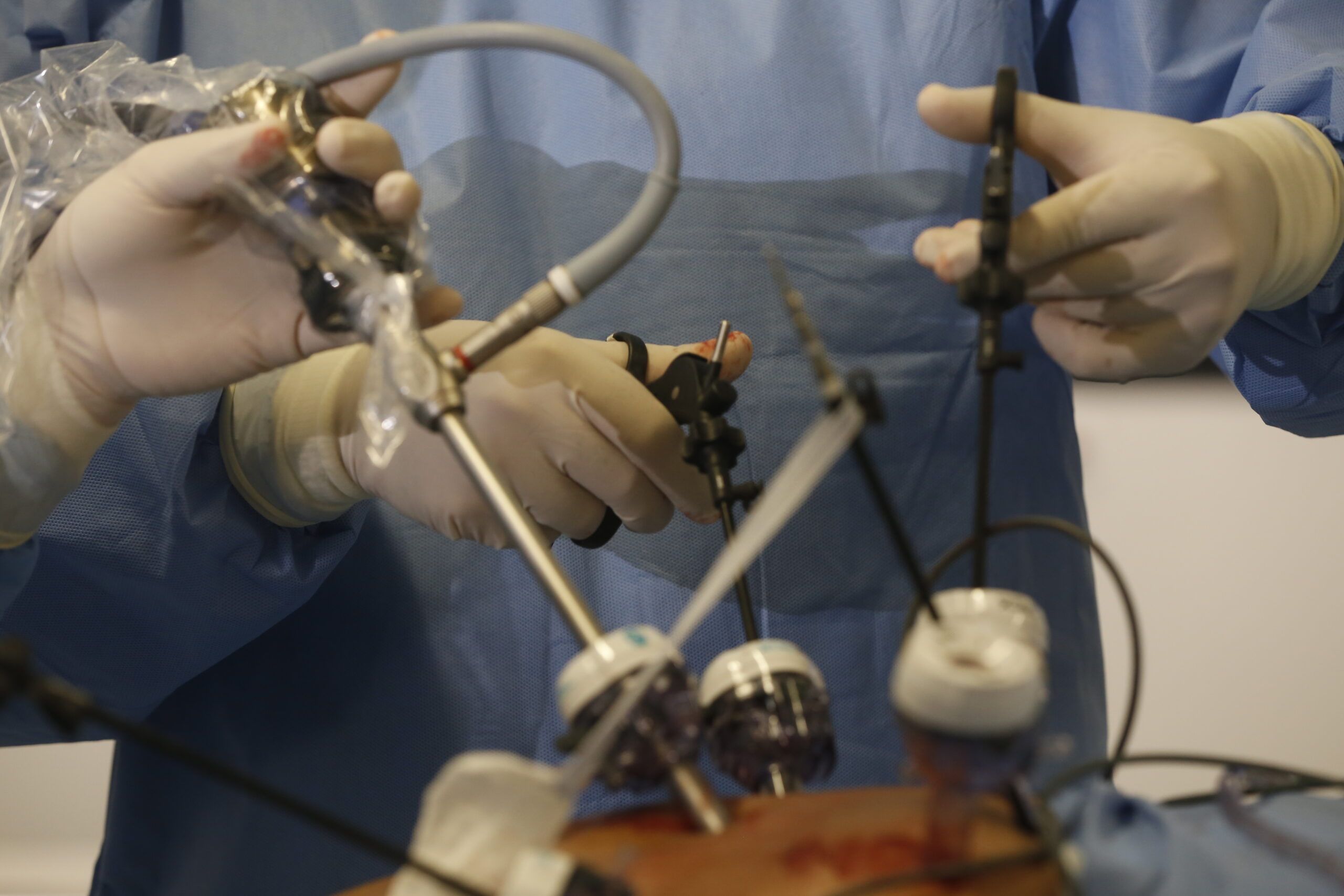
Laparoscopy is a minimally invasive surgical procedure where a thin, lit camera (laparoscope) is inserted through a small incision near the navel, allowing the surgeon to view the outside of the uterus, ovaries, fallopian tubes, and surrounding pelvic organs on a screen. A few additional small incisions may be made for surgical instruments if treatment is needed during the same procedure. It’s performed under general anaesthesia.
What laparoscopy is used for
Laparoscopy is commonly used to diagnose and treat conditions including endometriosis, ovarian cysts, fibroids on the outside of the uterus, blocked or damaged fallopian tubes, and pelvic scar tissue (adhesions), as well as to investigate unexplained pelvic pain or infertility when other tests haven’t identified a clear cause.
What is hysteroscopy?
Hysteroscopy, by contrast, examines the inside of the uterus. A thin, lit scope (hysteroscope) is passed through the vagina and cervix directly into the uterine cavity — no external incisions are needed. Depending on the reason for the procedure, hysteroscopy can be done under local or general anaesthesia, and in some diagnostic cases, without any anaesthesia at all.
What hysteroscopy is used for
Hysteroscopy is typically used to investigate abnormal uterine bleeding, evaluate the uterine cavity in cases of recurrent miscarriage or infertility, diagnose or remove uterine polyps or fibroids growing inside the cavity, and assess the uterine lining before certain fertility treatments like IVF.
Key differences at a glance
- What’s examined: laparoscopy views the outside of the reproductive organs and surrounding pelvis; hysteroscopy views the inside of the uterine cavity specifically
- Access point: laparoscopy uses small abdominal incisions; hysteroscopy goes through the natural vaginal/cervical opening, with no incisions
- Common uses: laparoscopy for endometriosis, cysts, and tubal issues; hysteroscopy for uterine bleeding, polyps, and cavity-related fertility concerns
Can both be done together?
Yes — in many fertility evaluations, laparoscopy and hysteroscopy are performed together in a single procedure, giving a complete picture of both the uterine cavity and the outside of the reproductive organs in one session, which is often more efficient than two separate procedures.
What recovery typically looks like
Because hysteroscopy involves no incisions, recovery is usually very quick — many patients resume normal activities within a day or two. Laparoscopy, being a surgical procedure with small incisions, generally involves a few more days of recovery, though considerably less than traditional open surgery, with most patients returning to normal activities within one to two weeks depending on what was done during the procedure.
Why the right diagnostic approach matters
Choosing the right procedure — or combination of procedures — depends entirely on what your doctor is trying to investigate or treat. Understanding the difference helps you feel more prepared and informed going into either one, rather than facing an unfamiliar procedure with unanswered questions.
Our Laparoscopy & Hysteroscopy department offers both procedures with experienced surgical teams. Contact Samad Hospital to discuss which approach is right for you.
This article is for general information only and is not a substitute for personal medical advice. Please consult your doctor about your specific situation.
Leave a Comment