
Men’s Fertility: Factors Affecting Male Reproductive Health and How to Improve It - Samad Hospital
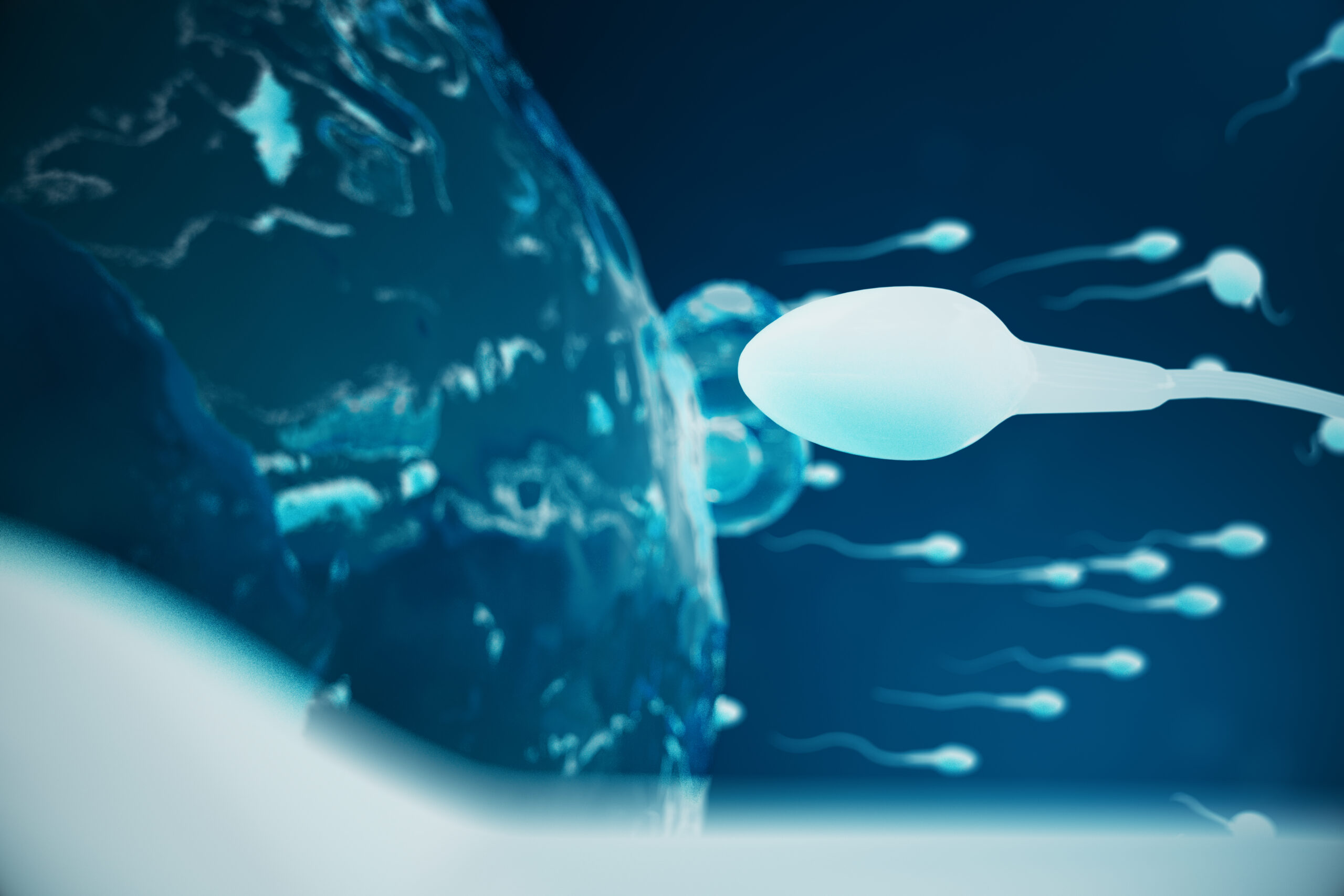
Understanding causes, lifestyle influences, treatment options, and practical tips
Infertility is often assumed to be a women’s health issue, but in nearly half of all infertility cases, male factors play a significant role. Male fertility depends on healthy sperm count, good motility, strong morphology, and the proper functioning of the reproductive system. However, lifestyle habits, medical conditions, environmental exposure, and stress can negatively impact these important functions. Understanding the key factors affecting men’s fertility and taking timely steps to address them can significantly improve the chances of conception.
What is Male Infertility?
Male infertility refers to a man’s inability to cause pregnancy despite regular, unprotected sexual intercourse over a certain period of time. It is often linked to problems with sperm production, sperm quality, sperm delivery, hormonal imbalance, or structural abnormalities in the reproductive system.
Common signs may not always be obvious, but some men may experience:
-
Reduced facial or body hair due to hormonal imbalance
-
Low libido or sexual dysfunction
-
Pain, swelling, or lumps in the testes
-
Difficulty with ejaculation
-
Recurrent miscarriages in the partner without clear cause
If a couple has difficulty conceiving, it is essential for both partners to undergo evaluation rather than assuming the issue lies with the woman alone.
Key Factors Affecting Male Fertility
1. Sperm Quality and Production
Healthy fertility requires adequate sperm count, good movement, and normal shape. Problems such as low sperm count, poor motility, or abnormal morphology can reduce the chances of fertilisation. Infections, genetic disorders, hormone issues, or injury to the testes may affect sperm health.
2. Hormonal Imbalance
Hormones such as testosterone, FSH, and LH regulate sperm production. Imbalances caused by pituitary gland disorders, thyroid problems, or certain medications can impact fertility.
3. Lifestyle and Habits
Modern lifestyle habits significantly affect male reproductive health. Factors such as smoking, excessive alcohol consumption, recreational drugs, poor diet, and sedentary lifestyle can damage sperm cells and reduce fertility potential.
4. Obesity and Stress
Being overweight increases estrogen levels in men, reducing testosterone and sperm production. Chronic stress can also interfere with hormones and sexual performance.
5. Environmental and Occupational Exposure
Exposure to pesticides, chemicals, heavy metals, radiation, or heat (such as frequent sauna use or tight clothing) may harm sperm quality.
6. Medical and Health Conditions
Certain conditions can impact male fertility, including:
-
Varicocele (enlarged veins in the scrotum)
-
Diabetes
-
Chronic infections
-
Testicular injuries
-
Undescended testes
-
Genetic abnormalities
Even past illnesses like mumps affecting the testicles can contribute to fertility challenges.
How Lifestyle Affects Male Fertility
Lifestyle plays a major role in reproductive health. Smoking damages sperm DNA, reducing motility and increasing chances of abnormal sperm. Excessive alcohol affects hormone regulation and reduces testosterone levels. Drug use, particularly anabolic steroids, severely disrupts sperm production.
Poor sleep patterns, lack of exercise, unhealthy diet, and constant stress not only affect overall health but directly influence sperm quality. Small positive lifestyle changes can therefore create significant improvements.
Diagnosis and Evaluation of Male Fertility
If pregnancy does not occur within 6–12 months of trying, a fertility evaluation is recommended. The primary test for men is a semen analysis, which checks:
-
Sperm count
-
Motility (movement)
-
Morphology (shape)
-
Volume and quality of semen
Depending on results, doctors may also recommend:
-
Hormone testing
-
Ultrasound of the scrotum
-
Genetic testing in certain cases
Early diagnosis allows timely treatment and better outcomes.
Treatment Options for Male Infertility
Treatment depends on the underlying cause:
Medication
Hormonal medications, antibiotics for infections, or medicines to treat ejaculation issues may be prescribed.
Surgical Treatments
Conditions like varicocele can often be corrected through surgery, improving sperm quality.
Assisted Reproductive Techniques (ART)
If sperm count or motility remains low, assisted reproductive options such as:
-
IUI (Intrauterine Insemination)
-
IVF (In Vitro Fertilisation)
-
ICSI (Intracytoplasmic Sperm Injection)
can help achieve pregnancy successfully.
Lifestyle Management
Doctors often recommend weight management, stopping smoking, reducing alcohol, and improving diet alongside medical treatment.
Practical Tips to Boost Male Fertility
Men can significantly improve fertility potential by following healthy habits:
-
Maintain a balanced diet rich in fruits, vegetables, lean protein, nuts, and whole grains
-
Exercise regularly but avoid excessive bodybuilding steroids
-
Get adequate sleep and manage stress effectively
-
Avoid smoking and limit alcohol intake
-
Keep weight within a healthy range
-
Avoid prolonged heat exposure to the genital area
-
Stay hydrated
-
Consult a specialist instead of self-medicating
When to See a Doctor
Consult a fertility specialist if:
-
There is no pregnancy after 6–12 months of trying
-
You have a history of testicular injury, surgery, or infection
-
Persistent sexual dysfunction occurs
-
Semen test reports abnormal findings
Seeking help early improves treatment success and reduces emotional stress.
Conclusion
Male fertility is influenced by many factors, including health, lifestyle, hormones, and environment. The good news is that with proper diagnosis, timely medical care, and positive lifestyle changes, many fertility problems can be effectively managed. Men play an equal role in the fertility journey, and taking responsibility for reproductive health is an important step toward achieving parenthood.
Leave a Comment