
Obesity in Women: Causes, Risks & Treatment in Kerala
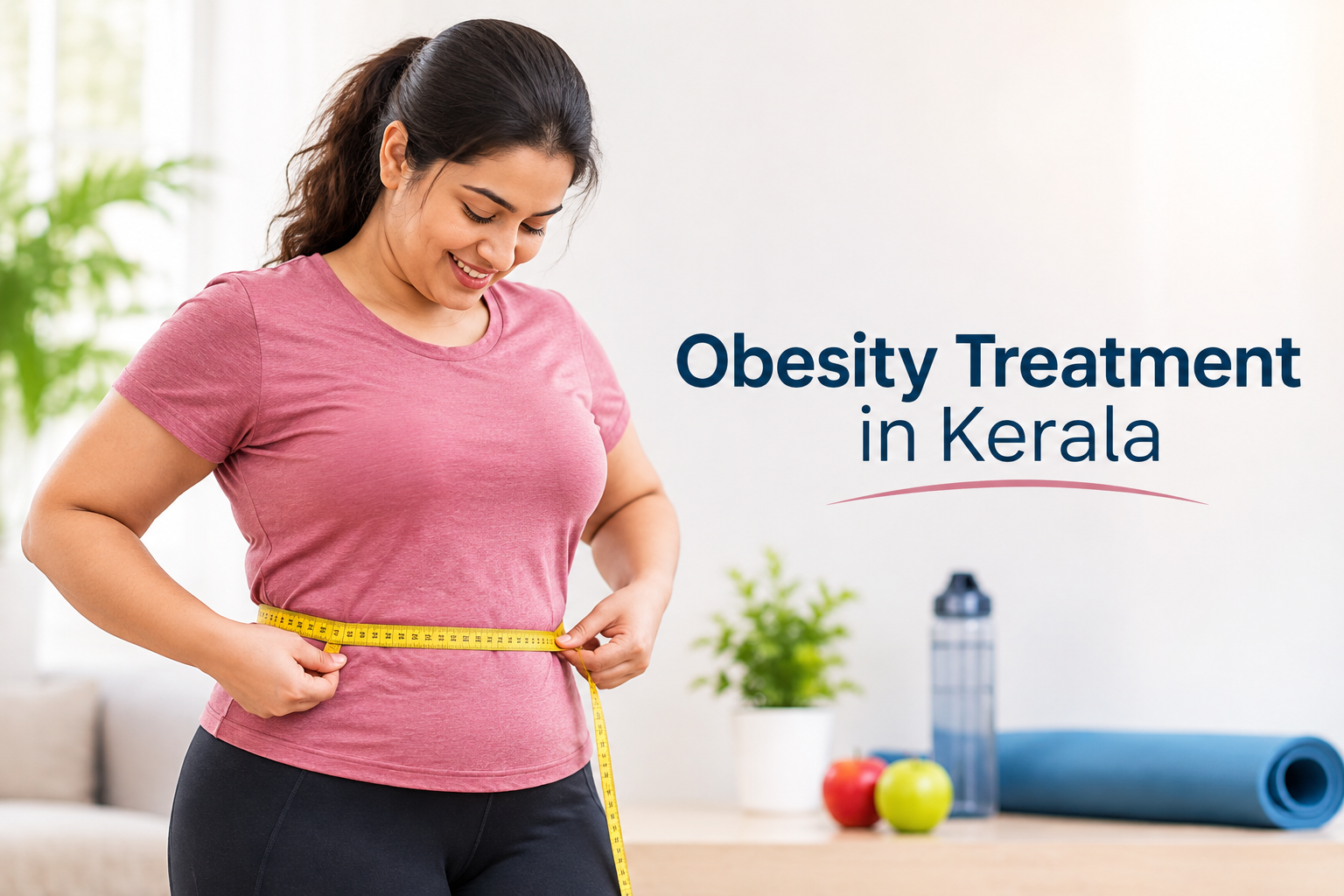
Obesity is a growing health concern among women, affecting physical health, hormonal balance, emotional well-being and overall quality of life. It is more than an increase in body weight; it is a complex condition influenced by genetics, lifestyle, hormonal changes, nutrition, sleep and underlying medical factors. Women may experience weight gain during different stages of life, including adolescence, pregnancy, postpartum recovery and menopause. When excess body fat accumulates over time, it can increase the risk of several chronic health conditions.
Understanding the causes, recognising early warning signs and seeking appropriate medical guidance can help women manage obesity more effectively. With the right combination of nutritional changes, physical activity, medical support and long-term lifestyle adjustments, achieving a healthier weight becomes more realistic and sustainable. Access to professional guidance for Obesity Treatment in Kerala can help women address weight-related concerns while protecting their overall health.
Understanding Obesity in Women
Obesity is generally identified using body mass index (BMI), which compares a person’s weight with their height. Although BMI can provide a useful initial assessment, it does not independently determine an individual’s health status. Body fat distribution, waist circumference, muscle mass, metabolic health and existing medical conditions should also be considered.
Women may experience changes in fat distribution throughout their lives. Hormonal fluctuations can influence appetite, energy expenditure and the tendency to store fat around the abdomen, hips and thighs. These changes may become more noticeable during pregnancy, after childbirth and around menopause.
Obesity can also develop gradually, making it difficult to recognise until it begins affecting daily activities, energy levels or medical test results. Early assessment can help identify contributing factors and establish an appropriate treatment approach.
Common Causes of Obesity in Women
1. Hormonal Changes
Hormones play an important role in regulating metabolism, appetite and fat storage. Conditions such as polycystic ovary syndrome (PCOS) may contribute to weight gain, insulin resistance and difficulties with weight management. Thyroid disorders can also influence metabolism and cause changes in body weight.
Hormonal changes associated with menopause may contribute to increased abdominal fat and reduced muscle mass. However, weight gain is not inevitable during these stages, and appropriate lifestyle strategies can help women maintain better metabolic health.
2. Unhealthy Eating Habits
Regular consumption of high-calorie foods, sugary beverages, processed snacks, fried foods and oversized portions can contribute to excessive calorie intake. Eating irregularly, frequently ordering fast food or relying on foods with limited nutritional value may also affect weight management.
A diet that lacks adequate protein, fibre, fruits, vegetables and essential nutrients can make it difficult to maintain satiety and balanced eating habits. Understanding food choices and portion sizes is an important part of preventing and managing obesity.
3. Physical Inactivity
Modern routines often involve prolonged sitting, desk-based work, limited walking and reduced opportunities for exercise. When physical activity is insufficient, the body may use fewer calories than it receives through food.
Women balancing employment, childcare, household responsibilities and other commitments may find it difficult to dedicate time to regular exercise. Over time, inactivity can contribute to increased fat accumulation, reduced muscle strength and declining fitness levels.
4. Pregnancy and Postpartum Weight Gain
Pregnancy naturally involves weight gain to support the growing baby, placenta, increased blood volume and other physiological changes. Some women may find it challenging to return to their previous weight after childbirth, particularly when sleep deprivation, stress, recovery and childcare responsibilities affect their routines.
A gradual and medically appropriate approach to postpartum weight management is important. Restrictive dieting immediately after delivery may interfere with recovery and nutritional needs, particularly during breastfeeding.
5. Stress, Sleep and Emotional Eating
Stress can influence eating patterns, particularly when food becomes a way of coping with emotional discomfort. Anxiety, work pressure, family responsibilities and inadequate rest may increase cravings for calorie-dense foods.
Insufficient sleep can also affect appetite-regulating hormones and energy levels. Women who consistently experience poor sleep may find it more difficult to manage hunger, remain physically active and maintain healthy food choices.
Health Risks Associated with Obesity
Obesity can affect several organ systems and increase the likelihood of developing long-term health complications. The risks depend on the degree of excess body fat, its distribution, family history and other health factors.
Type 2 Diabetes
Excess body fat, particularly around the abdomen, can contribute to insulin resistance. When the body becomes less responsive to insulin, blood glucose levels may rise, increasing the risk of type 2 diabetes. Early screening and weight management can help reduce the risk and support better glucose control.
Heart Disease and High Blood Pressure
Obesity can increase the workload of the heart and contribute to high blood pressure, abnormal cholesterol levels and cardiovascular disease. These risk factors may develop without noticeable symptoms, making regular health assessments important.
Hormonal and Reproductive Problems
Excess weight may affect reproductive hormones, menstrual regularity and ovulation. Women with obesity may experience irregular periods, fertility difficulties or worsening symptoms associated with PCOS. Weight management, when medically appropriate, may improve hormonal and reproductive health in some women.
Joint Pain and Mobility Problems
Additional body weight places greater stress on the knees, hips, ankles and lower back. This may contribute to joint discomfort, reduced mobility and a higher risk of osteoarthritis. Joint pain can also discourage physical activity, creating a cycle in which inactivity contributes to further weight gain.
Fatty Liver Disease
Excess fat may accumulate in the liver, leading to metabolic dysfunction-associated steatotic liver disease (MASLD), previously commonly known as non-alcoholic fatty liver disease. If left unmanaged, some cases may progress to inflammation, fibrosis and more serious liver complications.
Sleep Apnoea and Fatigue
Obesity may increase the risk of obstructive sleep apnoea, a condition in which breathing repeatedly becomes interrupted during sleep. Symptoms can include loud snoring, daytime sleepiness, morning headaches and poor-quality sleep. Appropriate evaluation can help identify and manage the condition.
How Obesity Can Affect Women’s Emotional Well-Being
The effects of obesity are not limited to physical health. Women may experience low self-esteem, body image concerns, social anxiety or emotional distress because of weight-related stigma and unrealistic beauty expectations.
Negative comments, discrimination and pressure to achieve a particular appearance can affect confidence and mental well-being. These experiences may sometimes contribute to emotional eating, withdrawal from social activities or difficulty maintaining healthy routines.
Weight management should therefore focus on improving health, strength, mobility and quality of life rather than appearance alone. Compassionate care, realistic goals and emotional support can make the journey more positive and sustainable.
Treatment and Management of Obesity in Women
Effective obesity management requires a personalised approach. Treatment should consider a woman’s age, medical history, hormonal health, current weight, nutritional needs, physical abilities and lifestyle circumstances.
1. Balanced Nutrition
A nutritious eating plan can help reduce excess calorie intake without compromising essential nutrients. Meals should include vegetables, fruits, whole grains, protein-rich foods, healthy fats and adequate fluids.
Reducing frequent consumption of sugary drinks, highly processed foods and excessive fried foods can support healthier eating patterns. Portion control and mindful eating can also help women understand hunger and fullness signals.
Rather than following extreme diets, sustainable food habits should be developed with guidance from a qualified nutrition professional when needed.
2. Regular Physical Activity
Exercise supports weight management, improves cardiovascular health, strengthens muscles and enhances emotional well-being. Women can begin with activities such as walking, cycling, swimming, stretching or low-impact workouts based on their fitness levels.
Strength training is particularly valuable because it helps preserve and build muscle mass. A combination of aerobic exercise and resistance training can improve overall fitness and metabolic health. Activity levels should be increased gradually, especially for women with joint pain or other medical conditions.
3. Medical Evaluation and Treatment
Medical assessment can help identify conditions that contribute to weight gain, including thyroid disorders, PCOS, diabetes, sleep-related problems and certain medication-related effects.
Depending on the individual’s health needs, treatment may involve supervised weight management, prescription medications or other specialised interventions. These options should be considered only after evaluation by a qualified medical professional, who can discuss benefits, possible risks and suitability.
4. Behavioural and Lifestyle Support
Building consistent habits is essential for long-term success. Setting realistic goals, monitoring progress, maintaining regular meal timings, managing stress and prioritising sleep can help women stay motivated.
Professional counselling or behavioural support may be useful for women who struggle with emotional eating, repeated dieting or difficulties maintaining lifestyle changes. Small improvements maintained consistently often provide better results than short-term, restrictive approaches.
When Should Women Seek Medical Advice?
Women should consider consulting a healthcare professional when weight gain becomes unexplained or persistent, when obesity affects mobility or daily activities, or when symptoms such as irregular periods, excessive fatigue, breathlessness, joint pain, increased thirst or sleep disturbances develop.
Women with existing conditions such as diabetes, hypertension, PCOS or thyroid disorders may benefit from an integrated approach to weight management. Early intervention can help identify risks, improve health outcomes and prevent complications from progressing.
Seeking professional guidance for Obesity Treatment in Kerala can help women understand their health concerns, identify contributing factors and develop a treatment plan suited to their individual requirements.
Supporting Women Towards Healthier Lives
Obesity is a manageable health condition, and women do not need to approach weight loss with guilt, fear or unrealistic expectations. Every woman’s journey is different, influenced by her body, hormones, medical history and everyday circumstances. A supportive environment and medically guided care can make a meaningful difference.
At Samad Hospital, women’s health and overall well-being can be approached with an emphasis on understanding individual needs, identifying underlying concerns and supporting healthier lifestyle choices. With professional guidance, balanced nutrition, regular physical activity and appropriate medical care, women can work towards improved metabolic health, greater confidence and a better quality of life.
Taking the first step towards Obesity Treatment in Kerala is an investment in long-term health. Sustainable progress begins with informed decisions, realistic goals and a commitment to caring for the body at every stage of life.
Leave a Comment