
Painless Labour: What Every Expecting Mother Should Know About Epidural Delivery - Samad Hospital
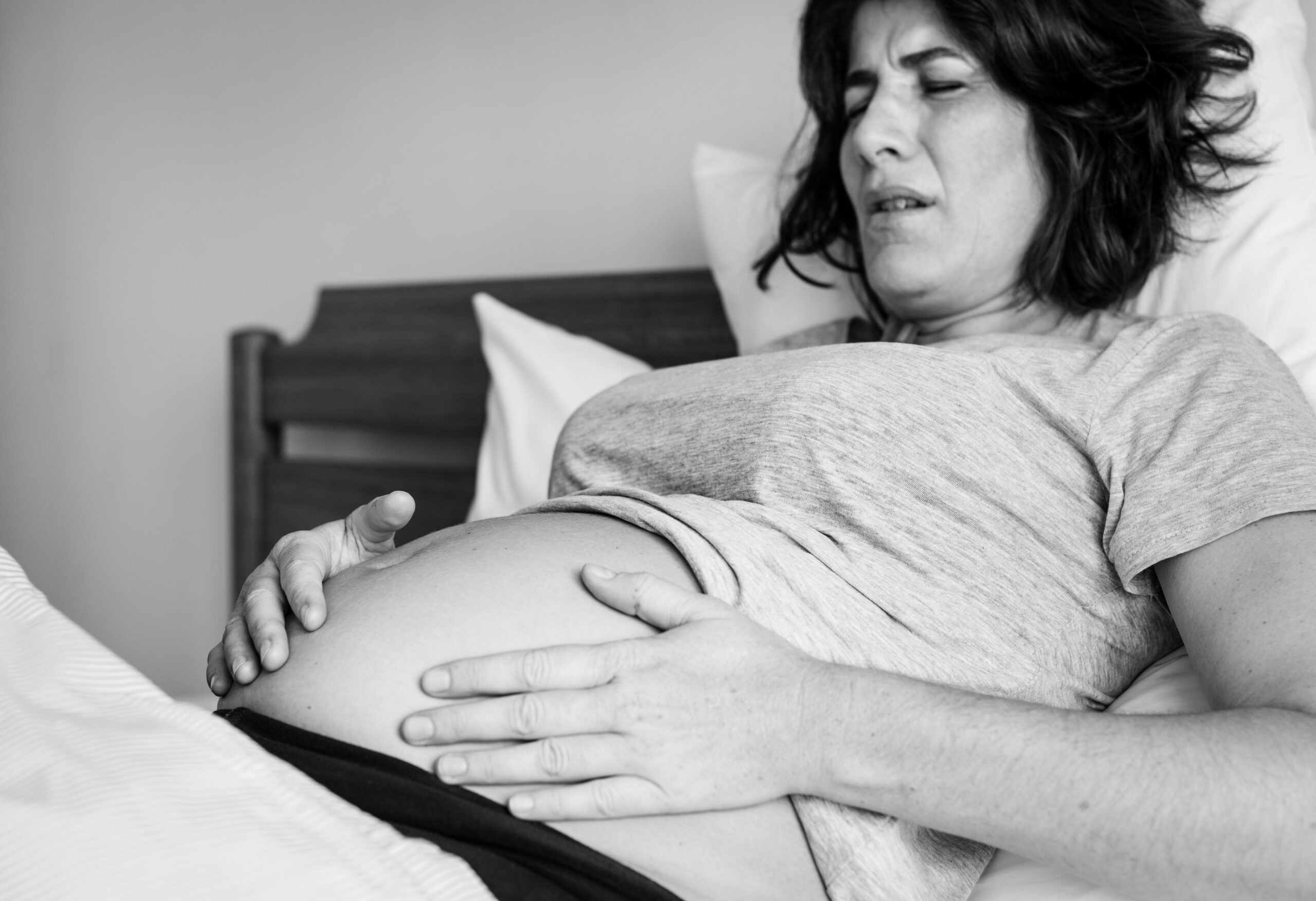
For many expecting mothers, the fear of labour pain is one of the biggest sources of anxiety during pregnancy. This fear often leads to confusion and misinformation about pain relief options, particularly around epidural anaesthesia. The truth is that painless labour, when administered by a qualified anaesthesiologist and monitored closely, is a safe and well-established method that allows mothers to experience childbirth with significantly reduced pain while remaining fully alert and involved throughout delivery.
At our Painless labour clinic, we offer epidural-based pain relief as part of a comprehensive, personalized birthing plan. This article addresses the most common questions expecting mothers have about painless labour — how it works, its safety profile, and the myths that often discourage women from considering it.
What Is Painless Labour?
“Painless labour” refers to the use of epidural anaesthesia to manage the pain of contractions and delivery. A thin catheter is placed in the lower back by an anaesthesiologist, through which pain-relieving medication is delivered directly to the nerves controlling sensation in the lower body. This numbs pain sensation from the waist down while preserving muscle strength and the ability to push during delivery, allowing the mother to remain an active participant in the birthing process.
Importantly, “painless” doesn’t always mean zero sensation — most women describe it as a significant reduction in pain intensity, often comparing contractions to mild pressure rather than sharp pain, which allows for a calmer, more controlled labour experience.
How the Procedure Works
- Once the mother is in active labour and requests pain relief, an anaesthesiologist assesses her and explains the procedure.
- The mother sits or lies on her side while a small area of the lower back is cleaned and numbed with local anaesthesia.
- A thin catheter is inserted into the epidural space and secured in place, allowing continuous or as-needed dosing throughout labour.
- Pain relief typically begins within 10-20 minutes and can be adjusted as labour progresses.
- The catheter is removed shortly after delivery, with no lasting effects.
Throughout the process, both mother and baby are continuously monitored to ensure safety, with our obstetric and anaesthesia teams working closely together.
Common Myths About Epidural Delivery
Myth: Epidurals cause permanent back pain. Temporary soreness at the injection site is possible, similar to any injection, but there is no medical evidence linking epidurals to chronic back pain.
Myth: Epidurals increase the chance of a C-section. Multiple large studies have found no significant increase in caesarean delivery rates among women who choose epidural pain relief compared to those who don’t.
Myth: The baby will be affected by the medication. Epidural medication is administered locally and in low doses, with minimal transfer to the baby. Continuous fetal monitoring ensures any changes are caught immediately.
Myth: You won’t be able to push effectively. Modern epidural techniques are designed to numb pain while preserving enough muscle control for effective pushing during the second stage of labour.
Who Is a Good Candidate for Painless Labour?
Most pregnant women in active labour are candidates for epidural pain relief, provided there are no specific contraindications such as certain bleeding disorders, infections at the injection site, or particular spinal conditions. Our anaesthesia and obstetric team conducts an individual assessment for every patient to confirm suitability, factoring in overall health history and how the pregnancy has progressed.
Women with high-risk pregnancies, twin pregnancies, or those under close fetal monitoring often benefit particularly from a controlled, well-monitored labour environment. If you’re further along in a high-risk pregnancy, our Fetal Medicine team works alongside our maternity department to ensure both mother and baby are monitored closely leading up to and during delivery. You can also read more in our guide to Essential Fetal Medicine Scans for a Healthy Pregnancy Journey.
Preparing for a Painless Delivery
Discussing your pain relief preferences with your obstetrician well before your due date allows for a smoother, less stressful labour experience. Questions worth raising during your prenatal visits include:
- When during labour can I request an epidural?
- What are the risks specific to my pregnancy?
- Will I be able to move or change positions during labour?
- How will pain relief be adjusted as labour progresses?
Preparing early is part of a broader approach to a healthy pregnancy journey, which starts even before conception. Our article on Essential Preconception Care Tips for a Healthy Pregnancy Journey is a useful starting point for expecting parents planning ahead.
Life After Delivery: Care for Mother and Baby
Painless labour is just one part of a coordinated maternity experience. After delivery, our team continues to support new mothers through recovery, while our Pediatrics And Adolescent Clinic ensures your newborn receives comprehensive care from their very first days, including routine check-ups, vaccinations, and growth monitoring.
A Calmer, More Confident Birth Experience
Choosing painless labour isn’t about avoiding the experience of childbirth — it’s about approaching it with less fear and more control. With continuous monitoring, an experienced anaesthesia team, and close coordination with your obstetrician, epidural delivery allows many mothers to stay present, calm, and engaged throughout one of the most significant moments of their lives.
If you’re expecting and would like to discuss your pain relief options, book a consultation with our maternity team at Samad Hospital, Trivandrum, Attingal, or Kollam, to create a personalized birthing plan that’s right for you.
Leave a Comment