
Understanding the Role of Preventive Health Screenings: What Tests You Need and When - Samad Hospital
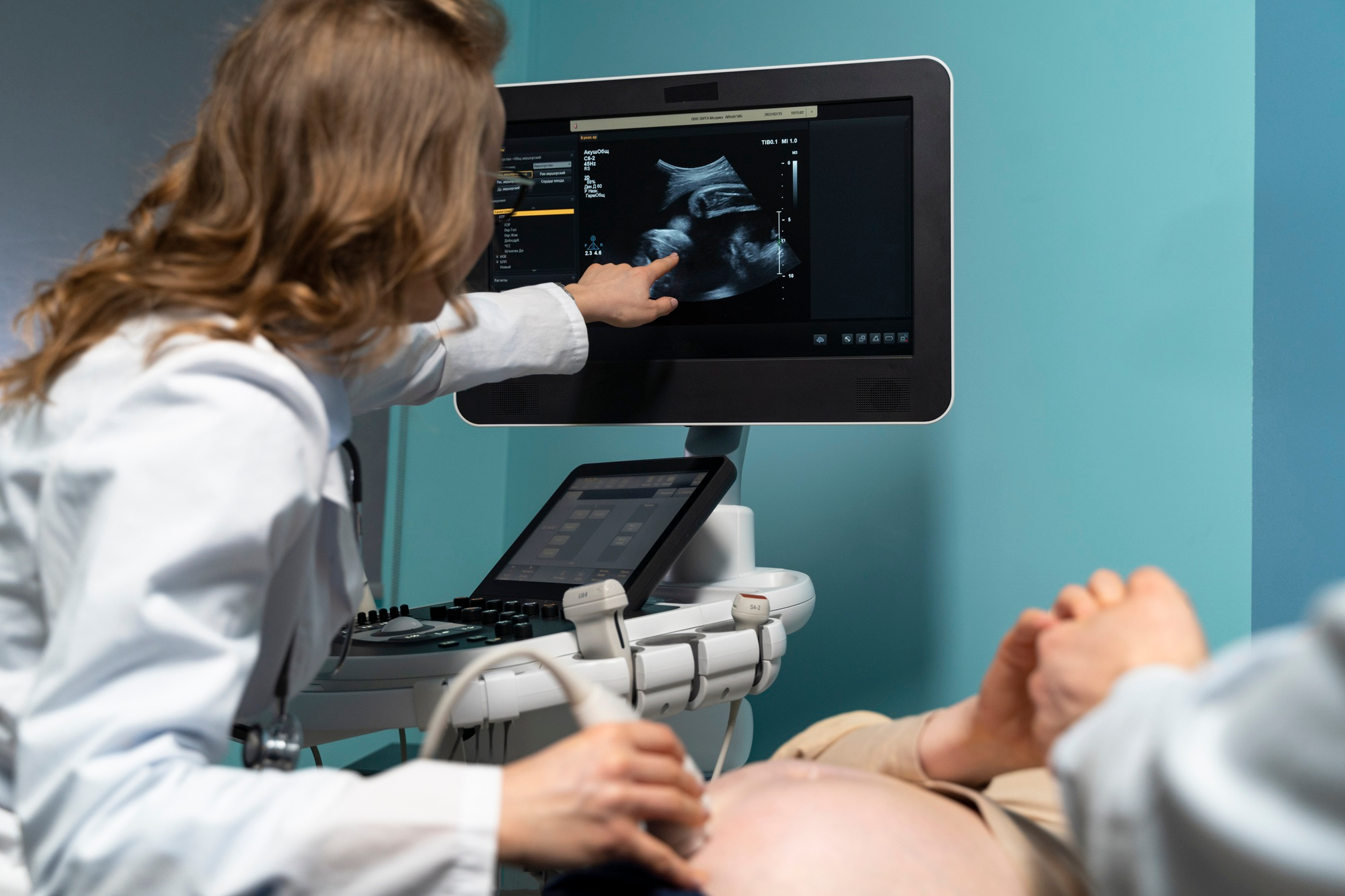
Many people visit a hospital only when they begin to feel unwell. However, several serious medical conditions develop silently over time without noticeable symptoms. By the time warning signs appear, the disease may already be in an advanced stage. Preventive health screenings are designed to detect health problems early — often before symptoms arise — allowing timely treatment and better outcomes.
Preventive care is not just about identifying illness. It is about protecting long-term health, reducing complications, and improving quality of life.
What Are Preventive Health Screenings?
Preventive health screenings are medical tests performed when a person appears healthy but may be at risk for certain conditions. These screenings help identify:
-
Early stages of chronic diseases
-
Risk factors such as high cholesterol or elevated blood sugar
-
Organ function abnormalities
-
Hormonal imbalances
-
Early cancer indicators
Early detection significantly increases the chances of successful treatment and reduces the likelihood of serious complications.
Why Preventive Screenings Are Important
Preventive health screenings offer several benefits:
-
Detect diseases before symptoms begin
-
Lower long-term medical costs
-
Prevent complications
-
Help maintain an active lifestyle
-
Provide peace of mind
For example, untreated high blood pressure can eventually lead to heart attack or stroke. A simple routine check can detect hypertension early, allowing effective management through medication and lifestyle changes.
Recommended Screenings by Age Group
Screening needs vary depending on age, family history, and lifestyle.
In Your 20s and 30s
Even young adults should not ignore regular checkups. Recommended screenings may include:
-
Blood pressure measurement
-
Complete blood count (CBC)
-
Blood sugar test
-
Lipid profile
-
Thyroid function test
-
Body mass index (BMI) evaluation
These tests help detect early metabolic changes and lifestyle-related risks.
In Your 40s
Health risks increase after the age of 40. More detailed screenings are recommended, such as:
-
Comprehensive cardiac evaluation
-
Diabetes screening
-
Liver and kidney function tests
-
Eye examination
-
Cancer screening based on risk factors
Individuals in this age group should consider structured preventive evaluations through comprehensive health checkup programs. You can explore available options under the Health Checkup Packages section to understand suitable screening plans.
50 Years and Above
After 50, screening becomes even more important. Recommended tests may include:
-
Colon cancer screening
-
Bone density test
-
Advanced cardiac testing
-
Prostate screening for men
-
Mammogram for women
-
Cancer marker tests as advised
Annual health checkups are strongly recommended at this stage.
Common Conditions Detected Through Preventive Screening
Heart Disease
Heart disease remains a leading cause of mortality. Regular ECGs, cholesterol checks, and stress tests can identify risk factors early.
Diabetes
Routine fasting blood glucose and HbA1c tests detect pre-diabetes and diabetes before complications develop.
Cancer
Screening tests such as mammograms, Pap smears, colonoscopies, and prostate exams can detect cancer at early stages when treatment is most effective.
Kidney and Liver Disorders
Blood and urine tests help identify early organ dysfunction, often before symptoms appear.
How Often Should You Get Screened?
Screening frequency depends on:
-
Age
-
Family medical history
-
Existing medical conditions
-
Lifestyle habits
-
Doctor’s recommendation
Some tests may be required annually, while others are recommended every few years. Consulting with a healthcare professional ensures that your screening schedule matches your risk profile.
Warning Signs You Should Not Ignore
Even if you undergo regular screening, certain symptoms require immediate attention:
-
Persistent fatigue
-
Sudden weight changes
-
Frequent headaches
-
Shortness of breath
-
Chest discomfort
-
Unusual bleeding
Prompt medical consultation can prevent further complications.
Lifestyle and Preventive Care Go Hand in Hand
Screenings alone are not enough. Healthy lifestyle habits significantly improve overall health outcomes.
Recommended practices include:
-
Balanced nutrition
-
Regular physical activity
-
Avoiding smoking and tobacco
-
Limiting alcohol consumption
-
Managing stress
-
Getting adequate sleep
When combined with preventive screenings, these habits reduce the risk of chronic diseases.
The Value of Early Detection
Early detection allows:
-
Less aggressive treatments
-
Shorter recovery time
-
Lower healthcare expenses
-
Better long-term survival rates
Preventive health screenings are a proactive approach to managing health rather than reacting to illness.
Taking Control of Your Health
Many serious conditions can be managed effectively if identified early. Scheduling routine checkups and following recommended screening guidelines can help you stay ahead of potential health risks.
Preventive care is an investment in your future. Regular health evaluations not only detect diseases but also provide reassurance that your body is functioning properly.
Leave a Comment