
Well Woman Checkups: Why Every Woman Needs an Annual Gynecological Exam
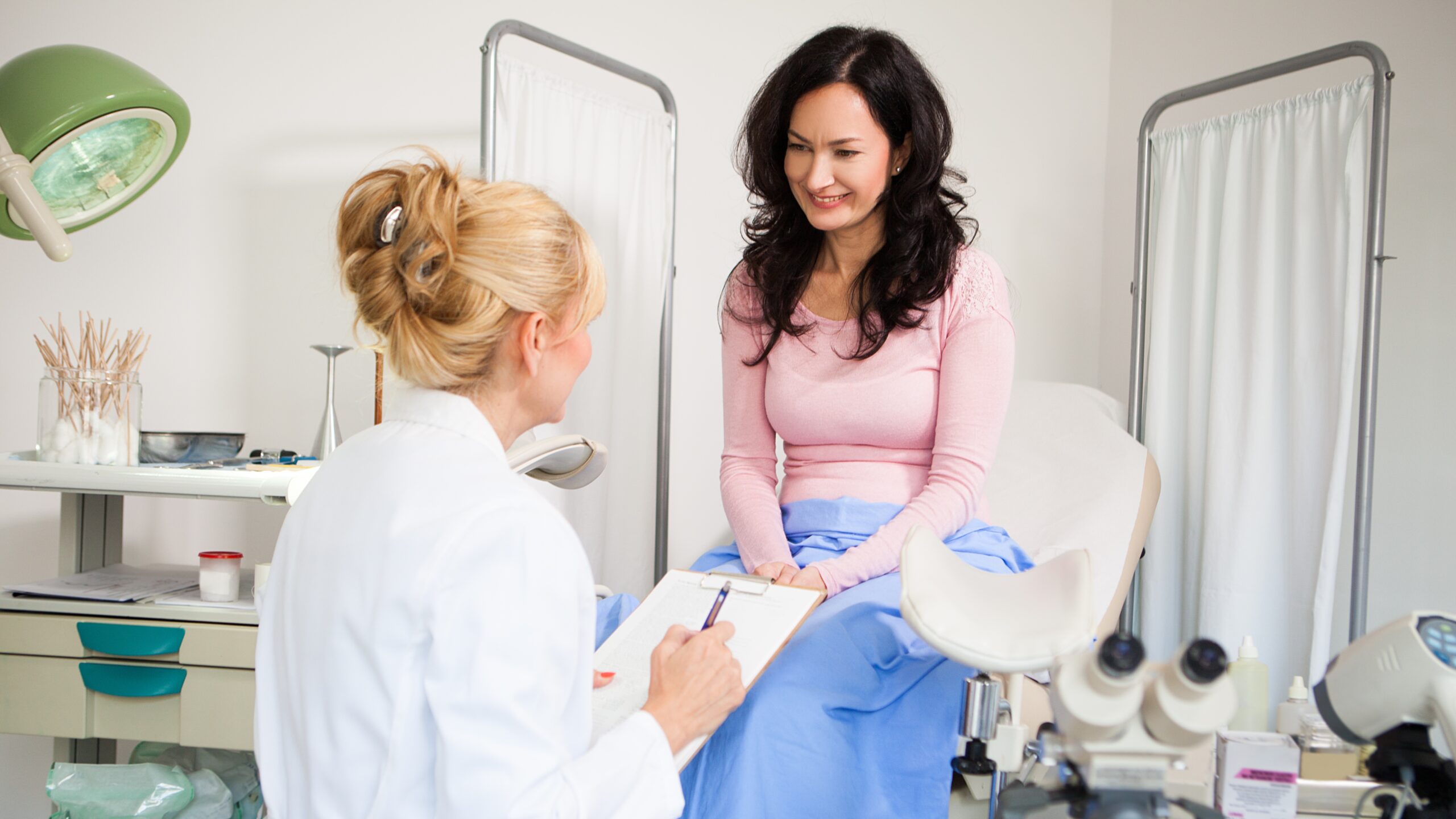
It’s easy to put off a gynecological checkup when nothing feels obviously wrong — but a well woman exam isn’t just for addressing symptoms, it’s one of the most effective tools for catching potential issues early, long before they’d otherwise become noticeable. Making it an annual habit is one of the simplest things you can do for your long-term health.
What is a well woman checkup?
A well woman checkup is a comprehensive preventive visit covering reproductive and general health, rather than being tied to a specific complaint. It typically includes a review of your medical and family history, a physical and pelvic examination, breast examination, and depending on your age and risk factors, screenings like a Pap smear, HPV testing, or mammogram referral.
Why annual visits matter, even without symptoms
Many gynecological conditions — including certain cancers, hormonal imbalances, and early-stage fibroids — produce minimal or no symptoms in their earliest stages. Regular screening is precisely what allows these to be caught and addressed early, when treatment is generally simpler and more effective. Waiting for symptoms to appear often means waiting until a condition has already progressed further than it needed to.
What’s typically covered by age and life stage
Well woman care shifts somewhat depending on your life stage. In your 20s and early 30s, visits often focus on routine screening, contraception counselling if relevant, and establishing a baseline for future comparison. Through your 30s and 40s, screening frequency and specific tests may adjust based on personal and family history. Around and after menopause, visits shift toward monitoring for menopause-related changes and continued cancer screening, since risk for certain conditions increases with age.
Common topics worth raising at a well woman visit
This appointment is a good opportunity to discuss anything you’ve been putting off asking about: irregular periods, pelvic pain, changes in libido, contraception options, fertility planning, or family history of gynecological conditions. Doctors genuinely expect and welcome these conversations — there’s no topic too minor or too personal to raise.
Addressing common hesitations
Many women delay these visits due to discomfort, embarrassment, or simply a busy schedule. It’s worth knowing that gynecologists perform these exams routinely and professionally, and a well woman visit is a normal, judgment-free part of healthcare — not something to feel self-conscious about. The short-term discomfort of the conversation is far outweighed by the long-term value of consistent preventive care.
What if something is found during a checkup?
Finding something during a well woman exam — an abnormal Pap result, a cyst, or irregular bleeding pattern — doesn’t automatically mean something serious. Most findings from routine screening turn out to be manageable or benign, and catching them through screening simply means you have more time and more options to address them properly if follow-up is needed.
Building a habit of preventive care
The most effective approach to gynecological health isn’t reacting to problems as they arise — it’s building a consistent habit of annual checkups that catch issues early and keep you informed about your own health over time.
Our Well Women Clinic offers comprehensive preventive care for women at every life stage. Contact Samad Hospital to schedule your annual checkup.
This article is for general information only and is not a substitute for personal medical advice. Please consult your doctor about your specific screening needs.
Leave a Comment