
IVF

Low AMH Levels: What They Mean for Fertility and Your Chances of Pregnancy
Low Anti-Müllerian Hormone (AMH) levels can raise concerns for women who are planning a pregnancy or experiencing difficulty conceiving. AMH is a hormone produced by small follicles in the ovaries, and its level can provide useful information about ovarian reserve, which refers to the remaining supply of eggs. A low AMH result does not automatically […]

PCOS and Pregnancy: Fertility Challenges, Treatment Options and When to Seek Help
Embryo transfer is one of the most important stages of in vitro fertilisation (IVF). After eggs are collected and fertilised in a laboratory, a selected embryo may be transferred into the uterus with the aim of achieving pregnancy. For many couples, this step brings hope and excitement, along with questions about recovery, daily activities and […]
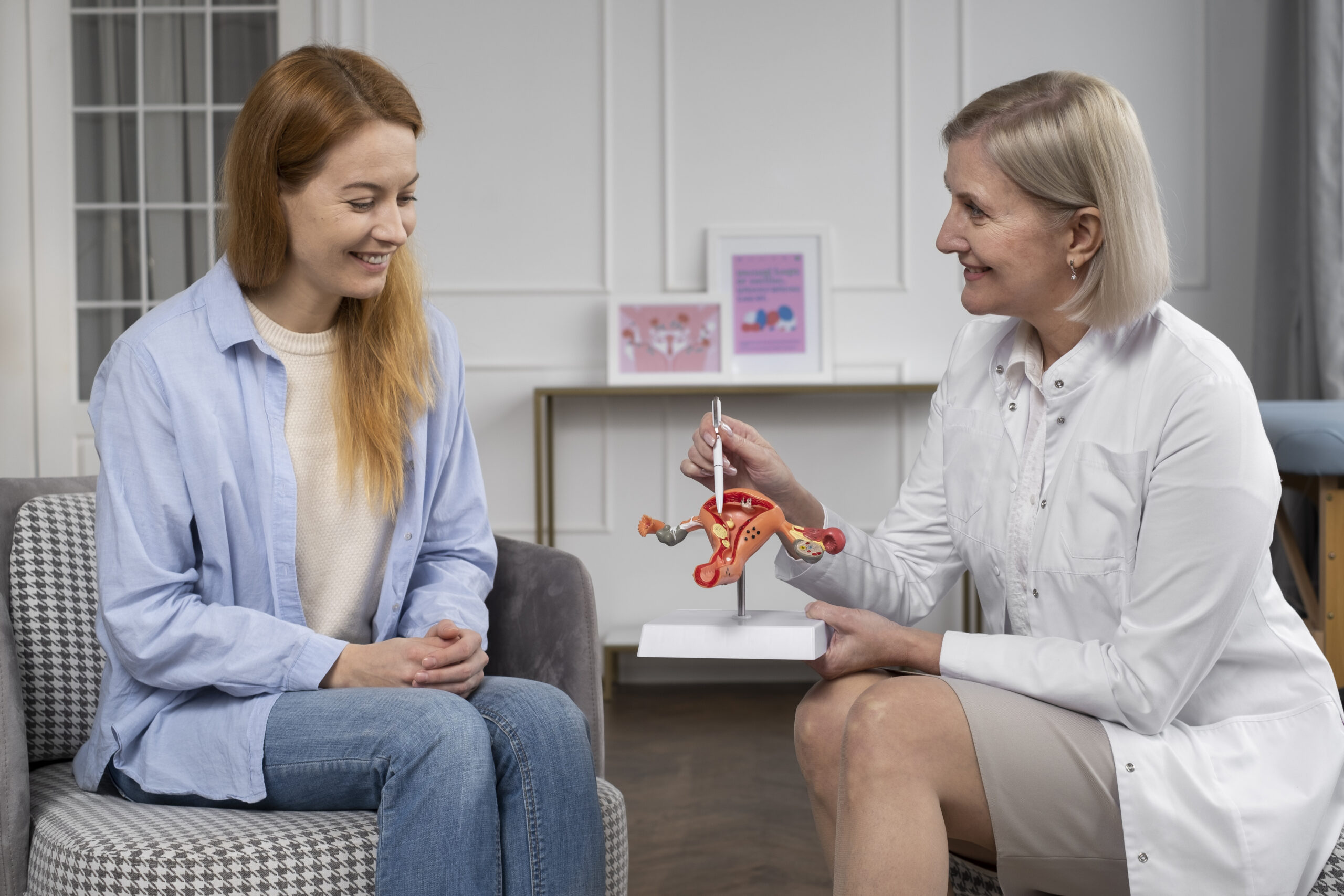
PCOS and Pregnancy: Fertility Challenges, Treatment Options and When to Seek Help
Polycystic Ovary Syndrome (PCOS) is a common hormonal condition that can affect a woman’s menstrual cycle, ovulation and fertility. Many women diagnosed with PCOS worry about whether they will be able to conceive naturally. The good news is that many women with PCOS can become pregnant, either naturally or with appropriate medical support. PCOS may […]
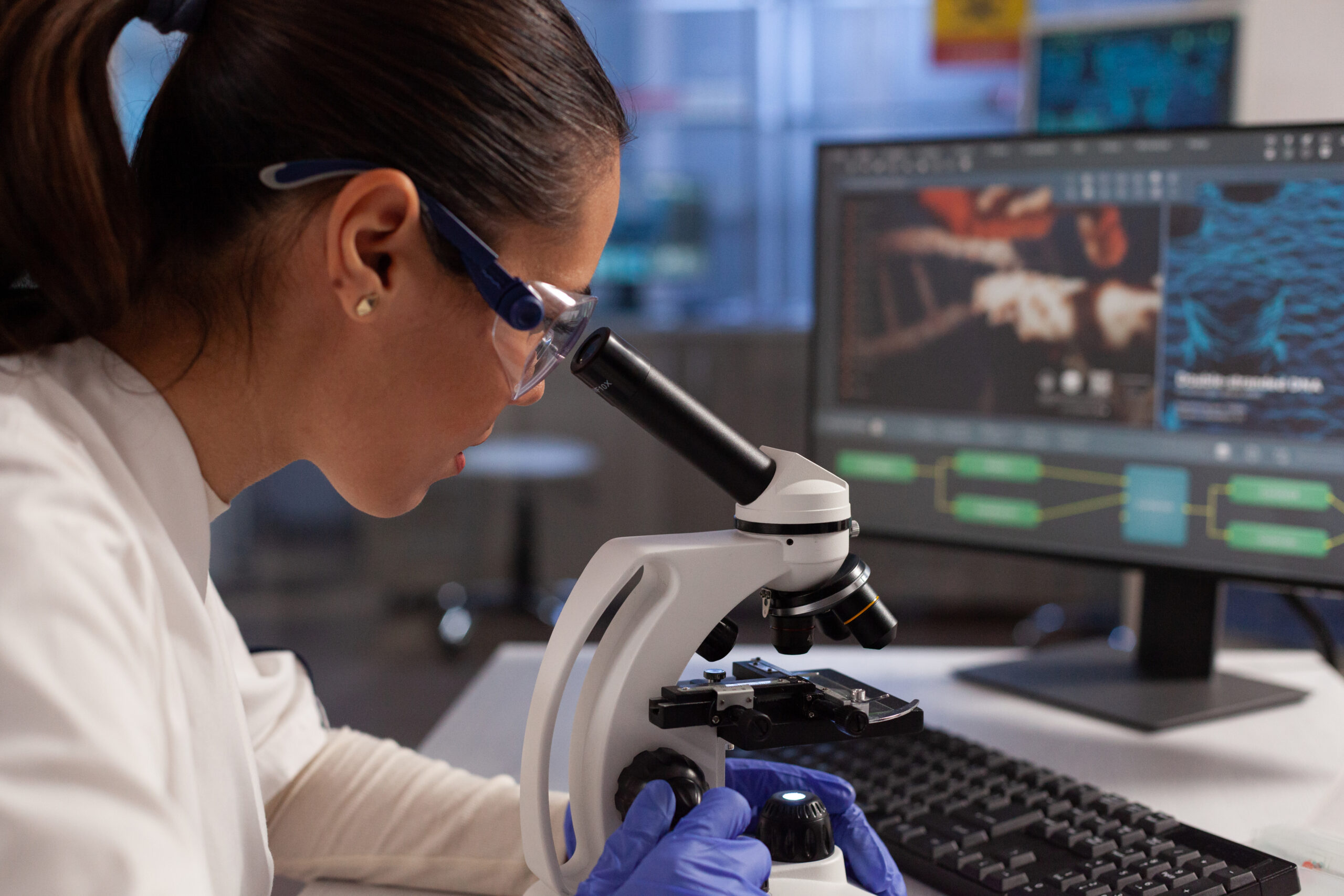
Hysteroscopy for Infertility: How It Helps Diagnose and Treat Uterine Problems
What Is Hysteroscopy? Hysteroscopy is a gynaecological procedure that allows a doctor to examine the inside of the uterus using a thin instrument called a hysteroscope. The instrument has a light and camera, helping the doctor view the uterine cavity and identify abnormalities that may require further evaluation or treatment. Unlike procedures that examine the […]

Pregnancy After 35: Essential Tests, Health Checks and Prenatal Care
Pregnancy after the age of 35 is increasingly common, and many women have healthy pregnancies and healthy babies during this stage of life. However, pregnancy after 35 may require closer medical monitoring because certain fertility and pregnancy-related risks become more common with age. If you are planning to become pregnant or have recently discovered that […]
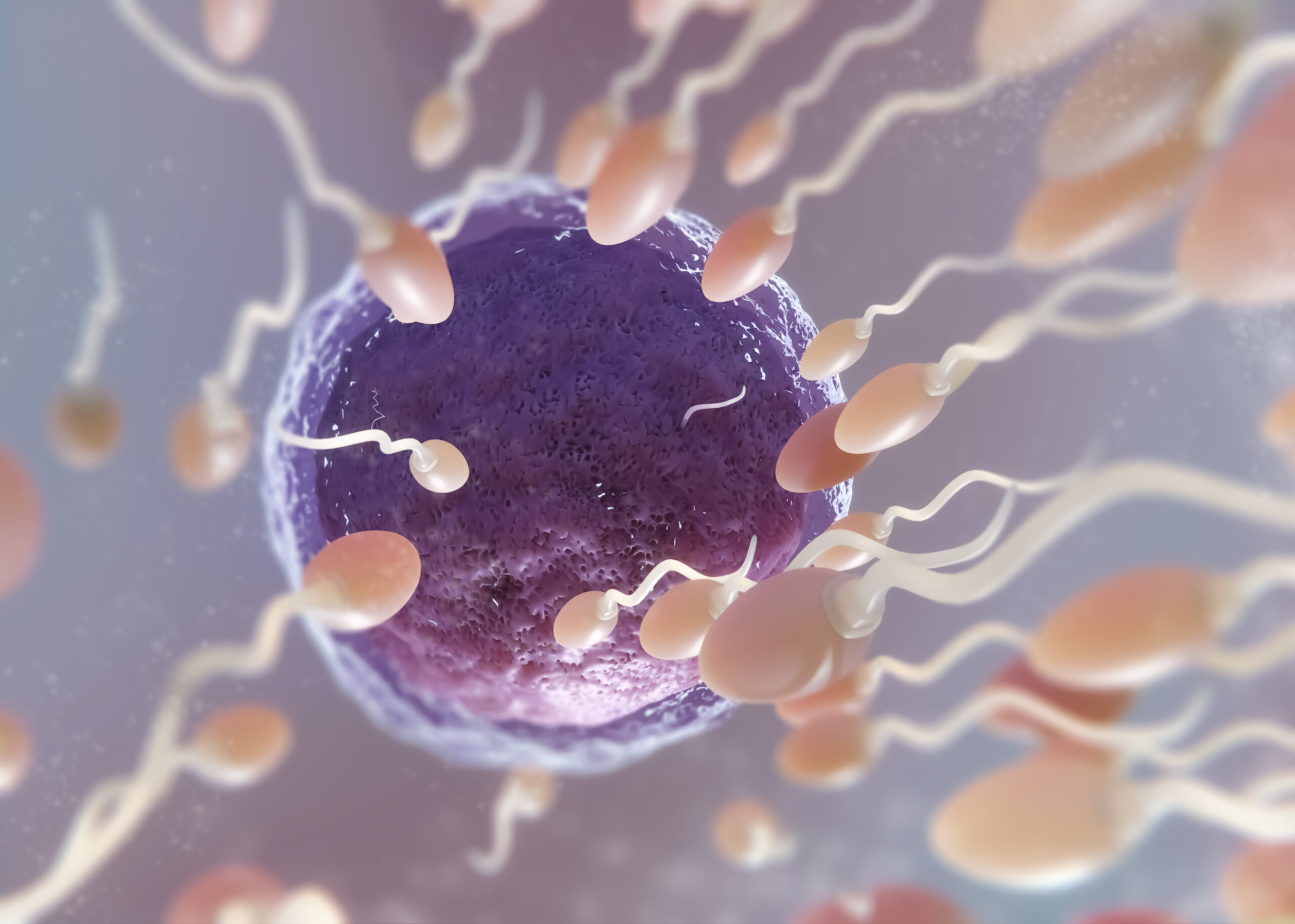
Frozen Embryo Transfer vs Fresh Embryo Transfer: Key Differences, Benefits and Considerations
Frozen embryo transfer and fresh embryo transfer are two approaches used during in vitro fertilisation (IVF). Both involve placing an embryo into the uterus to give it an opportunity to implant and develop into a pregnancy. The main difference is the timing of the transfer and whether the embryo is transferred during the same cycle […]

Low AMH Levels: Can You Still Get Pregnant Naturally or Through IVF?
Low Anti-Müllerian Hormone (AMH) levels can raise concerns for women who are planning a pregnancy. When a fertility test shows low AMH, many women worry that they may not be able to conceive naturally or that they will need immediate fertility treatment. However, low AMH does not automatically mean that pregnancy is impossible. AMH is […]

Blocked Fallopian Tubes: Symptoms, Causes, Diagnosis and Treatment Options
Blocked fallopian tubes are a common fertility concern that can make it difficult for some women to become pregnant naturally. The fallopian tubes play an essential role in reproduction because they help the egg travel from the ovary towards the uterus. Fertilisation usually takes place inside a fallopian tube when sperm meets the egg. When […]

Latest Treatments for Male Infertility: A Complete Guide
Male infertility is a common reason why couples may have difficulty becoming pregnant. It can be caused by problems with sperm production, sperm movement, sperm shape, hormone levels, blockages, infections, varicocele, genetic conditions, or problems with sexual function. The good news is that many causes can be evaluated and treated. Modern fertility care has also […]
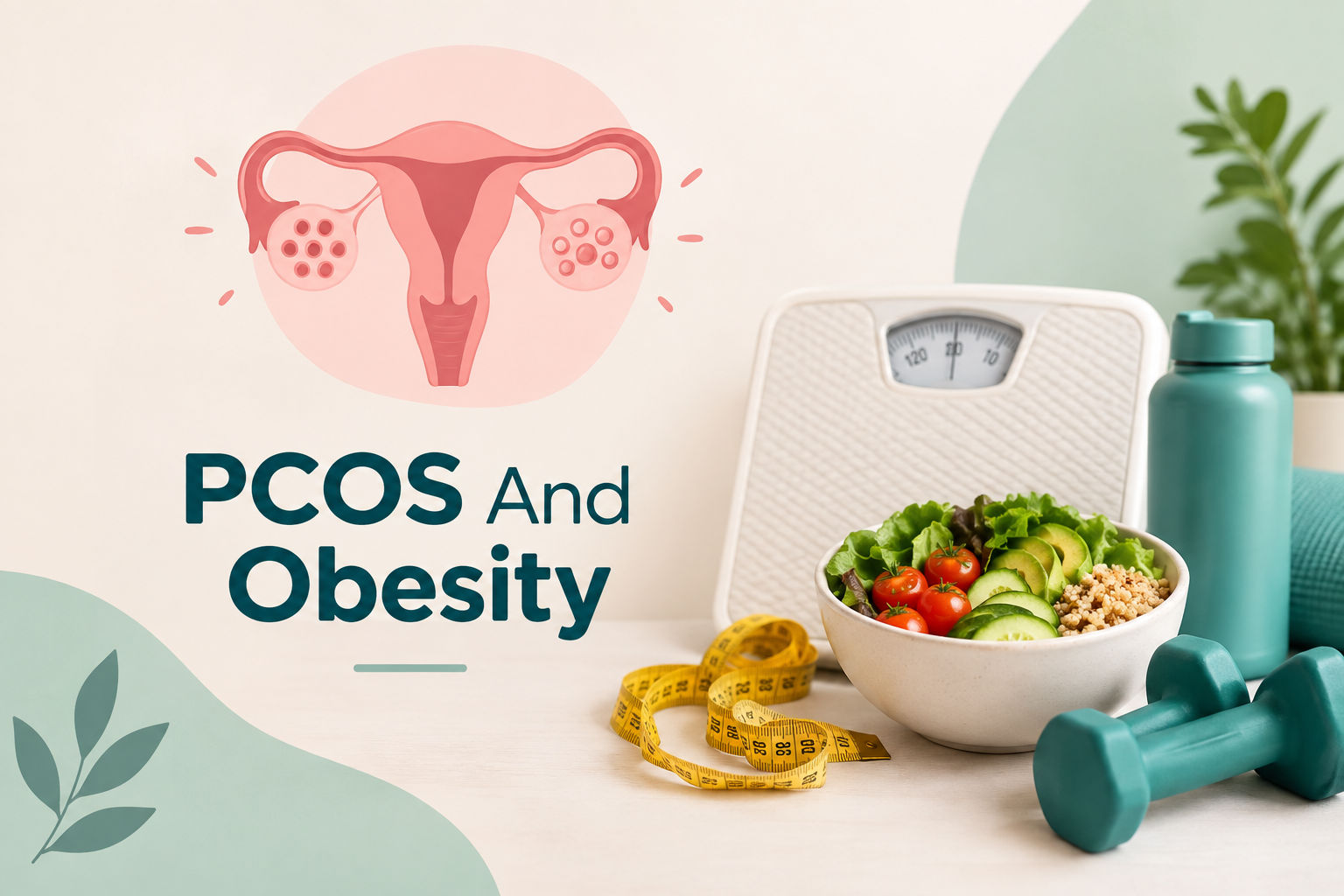
PCOS and Obesity Clinic: Comprehensive Care for Hormonal and Weight-Related Health
Polycystic Ovary Syndrome (PCOS) and obesity are health concerns that can affect different aspects of a woman’s well-being. They may influence hormonal balance, menstrual health, metabolism, weight management, fertility, and overall quality of life. Because these concerns can be interconnected, proper evaluation and a personalized approach to care can be valuable. A PCOS And Obesity […]