
Frozen Embryo Transfer vs Fresh Embryo Transfer: Key Differences, Benefits and Considerations - Samad Hospital
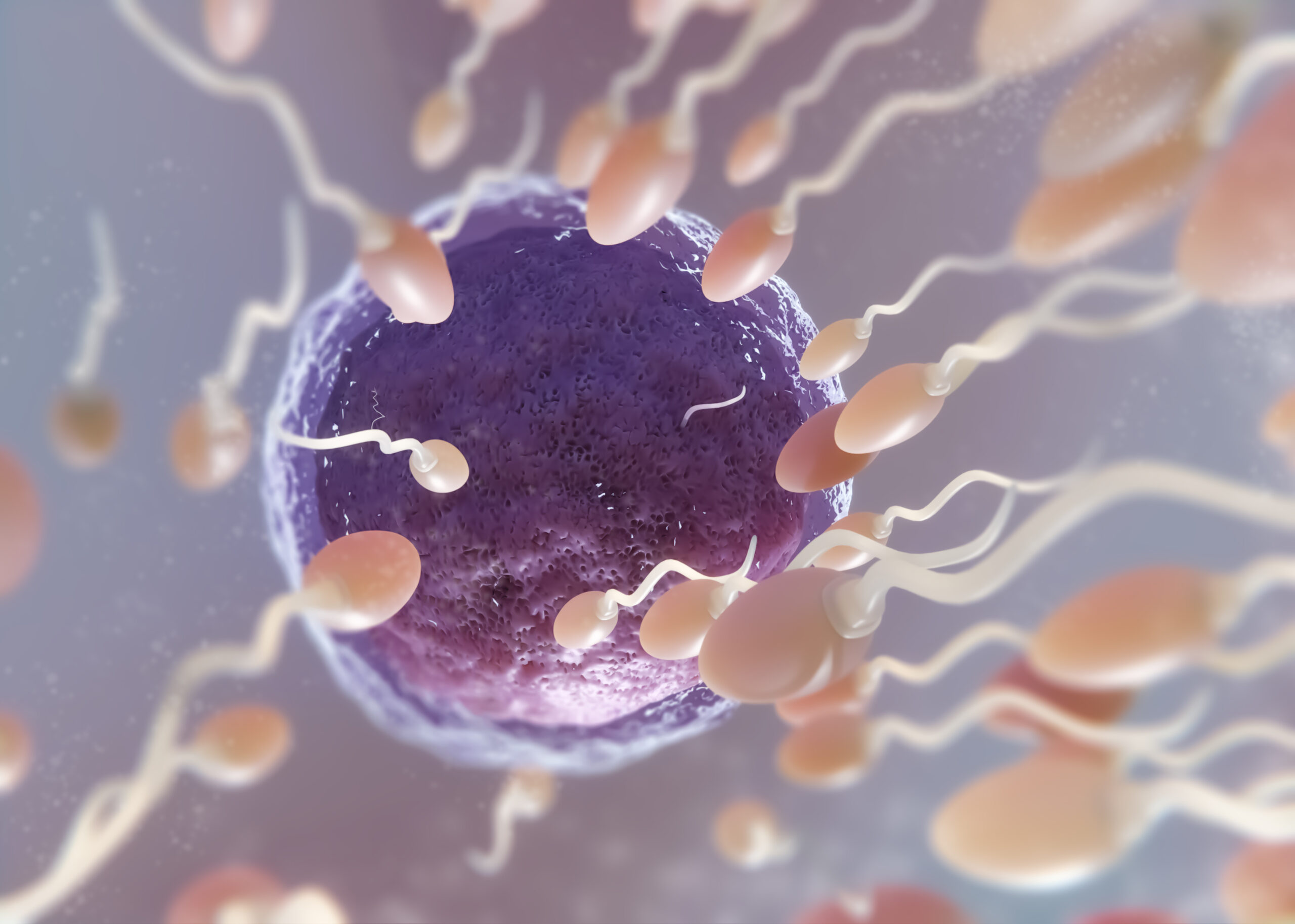
Frozen embryo transfer and fresh embryo transfer are two approaches used during in vitro fertilisation (IVF). Both involve placing an embryo into the uterus to give it an opportunity to implant and develop into a pregnancy. The main difference is the timing of the transfer and whether the embryo is transferred during the same cycle as egg retrieval or after being frozen and stored.
For couples undergoing fertility treatment, understanding these options can make discussions with a fertility specialist easier. However, neither approach is automatically better for everyone. The most suitable option depends on ovarian response, hormone levels, uterine health, embryo development and individual medical circumstances.
At Samad Hospital, understanding the differences between fresh and frozen embryo transfer can help patients prepare for the next stage of their fertility journey.
What Is Fresh Embryo Transfer?
Fresh embryo transfer takes place during the same IVF cycle in which the eggs are collected. After egg retrieval, the eggs are fertilised in the laboratory using sperm. The developing embryos are monitored, and a suitable embryo may be selected for transfer a few days later.
Fresh transfer may be considered when the patient’s hormone levels, uterine lining and overall clinical condition are suitable. It allows the IVF process to continue without the additional waiting period associated with freezing an embryo for later use.
How Does Fresh Embryo Transfer Work?
The process generally includes the following steps:
- Ovarian stimulation: Medication may be prescribed to help the ovaries develop multiple follicles.
- Egg retrieval: Mature eggs are collected through a medical procedure.
- Fertilisation: The eggs are fertilised with sperm in the laboratory.
- Embryo development: The embryos are monitored as they develop.
- Embryo transfer: If appropriate, a selected embryo is transferred into the uterus during the same cycle.
- Pregnancy testing: A pregnancy test is performed at the time recommended by the fertility team.
Not every IVF cycle results in a fresh transfer. If the clinical circumstances are unsuitable, the fertility specialist may recommend freezing suitable embryos and planning a transfer in a later cycle.
What Is Frozen Embryo Transfer?
Frozen embryo transfer, commonly called FET, involves transferring an embryo that was frozen and stored after fertilisation. The embryo is thawed according to the laboratory’s procedures and transferred into the uterus when the timing and uterine conditions are appropriate.
Embryos may be frozen when a fresh transfer is not advisable, when additional time is needed to prepare the uterine lining or when suitable embryos remain after an earlier IVF cycle.
Modern embryo-freezing methods, including vitrification, help preserve embryos for future use. However, not every frozen embryo survives the warming process, and treatment outcomes vary between patients.
How Does Frozen Embryo Transfer Work?
The process usually includes these stages:
- Treatment planning: The fertility specialist reviews the patient’s medical history, previous IVF results and available embryos.
- Uterine preparation: The transfer cycle may follow the natural menstrual cycle or use prescribed hormones to prepare the uterine lining.
- Ultrasound monitoring: The medical team assesses the uterine lining and determines suitable timing for transfer.
- Embryo warming: The selected frozen embryo is carefully warmed in the laboratory.
- Embryo transfer: The embryo is placed into the uterus using a thin catheter.
- Pregnancy testing: A blood or urine pregnancy test is performed at the recommended time.
Patients can learn more about the procedure in Samad Hospital’s guide to embryo transfer in IVF treatment.
Fresh vs Frozen Embryo Transfer: Key Differences
Although both approaches aim to achieve pregnancy, they differ in timing, preparation and clinical considerations.
1. Timing of the Transfer
Fresh embryo transfer takes place during the same cycle as egg retrieval. Frozen embryo transfer happens in a later cycle, after an embryo has been frozen and stored.
A fresh transfer may reduce the waiting time between egg retrieval and transfer. A frozen transfer provides additional time to plan and prepare the uterus when needed.
2. Hormone Levels and Uterine Preparation
During ovarian stimulation, hormone levels can rise significantly. In some patients, these changes may affect the uterine environment or increase the risk of complications.
With frozen embryo transfer, the transfer can be scheduled after the stimulation cycle, allowing the fertility team to prepare and assess the uterine lining separately. However, this does not mean that every patient will have a better outcome with a frozen transfer.
3. Flexibility in Treatment Planning
Fresh embryo transfer requires the transfer to be planned within the egg-retrieval cycle. Frozen embryo transfer offers more flexibility because the transfer can be scheduled later.
This flexibility can be helpful when additional investigations are required, the uterine lining needs more preparation or the patient needs time to recover from ovarian stimulation.
4. Treatment Costs and Time
Fresh transfer may involve fewer stages of treatment because the embryo is transferred in the same cycle. Frozen transfer usually involves additional laboratory procedures, embryo storage and a separate transfer cycle.
The total cost and treatment duration depend on the clinic, medication requirements and individual treatment plan. Patients should request a personalised estimate before starting treatment.
What Are the Benefits of Fresh Embryo Transfer?
Fresh embryo transfer may be appropriate for patients whose clinical conditions are suitable for transfer during the egg-retrieval cycle.
Potential benefits include:
- Earlier transfer: The embryo may be transferred without waiting for a subsequent cycle.
- Fewer separate treatment stages: A later frozen-transfer cycle may not be necessary if the fresh transfer proceeds as planned.
- Suitable clinical circumstances: Some patients have hormone levels and uterine conditions that support a fresh transfer.
- Less waiting between retrieval and transfer: This may make the treatment timeline more straightforward for some couples.
Fresh embryo transfer is not appropriate in every case. The fertility specialist must consider hormone levels, the risk of ovarian hyperstimulation syndrome (OHSS), uterine lining conditions and other factors before recommending it.
What Are the Benefits of Frozen Embryo Transfer?
Frozen embryo transfer offers flexibility and can be useful when the clinical team recommends postponing the transfer.
Potential benefits include:
- More time for uterine preparation: The lining can be assessed and prepared in a separate cycle.
- Reduced concern about transferring during ovarian stimulation: The transfer occurs after the stimulation cycle rather than immediately after egg retrieval.
- Flexibility for additional testing: Further assessment may be completed before transfer when medically indicated.
- Use of stored embryos: Suitable embryos remaining after an earlier IVF cycle may be available for future attempts.
- Treatment planning: Patients and doctors can choose a suitable transfer cycle based on clinical findings.
Frozen embryo transfer may be recommended when there is a concern about OHSS, when the uterine environment is not suitable for immediate transfer or when other medical considerations make delaying transfer preferable.
Patients interested in learning about other fertility treatment approaches can also explore natural cycle IVF at Samad Hospital.
Which Has a Higher Success Rate: Fresh or Frozen Embryo Transfer?
There is no single answer that applies to every patient. Both fresh and frozen embryo transfers can result in pregnancy, and the outcome depends on several clinical factors.
Important considerations include:
- The woman’s age and reproductive history.
- Embryo development and quality.
- The condition of the uterine lining.
- Hormone levels and the response to ovarian stimulation.
- Underlying fertility conditions.
- The presence of medical concerns that may affect the timing of transfer.
Some patients may benefit from a frozen transfer, while others may be suitable for a fresh transfer. Comparing success rates without considering these differences can be misleading.
Ask your fertility specialist to explain which outcome measures are being discussed, such as pregnancy per transfer or live birth per treatment cycle. These measures are different, and understanding the distinction can help you interpret reported success rates more accurately.
Can All Embryos Be Frozen and Used Later?
Not every embryo will be suitable for freezing or future transfer. The laboratory team assesses embryo development and suitability before freezing.
After warming, some embryos may not survive or may not be suitable for transfer. The number of embryos available for future use depends on how many develop successfully, their suitability for freezing and their survival after warming.
Your fertility team can explain the available embryos, the laboratory’s approach and the possible next steps based on your individual circumstances.
How Should You Prepare for Embryo Transfer?
Preparation depends on whether you are having a fresh or frozen transfer. Your fertility specialist will provide instructions based on your treatment plan.
General recommendations may include:
- Take prescribed medication exactly as instructed.
- Attend scheduled ultrasound examinations and blood tests.
- Inform your doctor about any new symptoms or changes in medication.
- Follow the clinic’s guidance regarding physical activity and daily routines.
- Avoid smoking and discuss alcohol use while preparing for pregnancy.
- Ask your doctor before starting supplements or other medications.
Strict bed rest is not routinely required after an uncomplicated embryo transfer. Follow the specific advice provided by your treating team rather than relying on unverified online recommendations.
It is also important to understand that embryo transfer does not guarantee pregnancy. Your care team can explain when to test and how to manage the waiting period.
Why Choose Samad Hospital for Fertility Care?
Choosing a fertility centre involves understanding the available services, the clinical team’s experience, laboratory processes and the level of support offered throughout treatment.
Samad Hospital provides reproductive medicine and fertility care for couples seeking assessment and treatment options. A consultation can help you understand whether fresh embryo transfer, frozen embryo transfer or another approach is appropriate for your situation.
Explore Samad Hospital’s reproductive medicine services to learn more about fertility assessment and available treatment options.
The most appropriate plan should be based on your medical history, diagnostic results, embryo availability and treatment goals. Your fertility specialist can explain the potential benefits, limitations, costs and timing of each option.
Conclusion
Fresh embryo transfer and frozen embryo transfer are both important approaches used in IVF treatment. Fresh transfer takes place during the egg-retrieval cycle, while frozen transfer uses an embryo that has been stored and is transferred during a later cycle.
The right choice depends on individual factors such as hormone levels, uterine health, ovarian response, embryo development and the risk of treatment-related complications. A frozen transfer is not automatically more successful, and a fresh transfer is not automatically the better option.
If you are planning IVF or have embryos available for transfer, speak with a fertility specialist at Samad Hospital to understand which approach may be suitable for your circumstances.
Frequently Asked Questions
1. Is frozen embryo transfer better than fresh embryo transfer?
Not for everyone. Both approaches can lead to pregnancy. The most suitable option depends on your medical condition, hormone levels, embryo quality and uterine preparation.
2. Is frozen embryo transfer painful?
The transfer procedure is generally brief and usually does not require general anaesthesia. Some patients experience mild discomfort, but individual experiences can vary.
3. How long after egg retrieval can a frozen embryo be transferred?
The timing varies. Transfer may take place in a subsequent menstrual cycle or later, depending on the patient’s recovery, uterine preparation and medical requirements.
4. Does freezing damage embryos?
Modern freezing techniques are designed to preserve embryos effectively. However, not every embryo survives the warming process, so your laboratory team can explain the relevant considerations.
5. Can I choose between fresh and frozen embryo transfer?
The decision should be made with your fertility specialist. Your preferences can be discussed, but medical factors and treatment safety are important in determining the recommended approach.
6. When can I take a pregnancy test after embryo transfer?
Your fertility team will tell you when to test based on the transfer date and treatment protocol. Testing too early may produce a misleading result, so follow the recommended schedule.
Leave a Comment